




An Unwelcome Annual Visitor
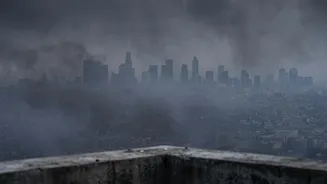
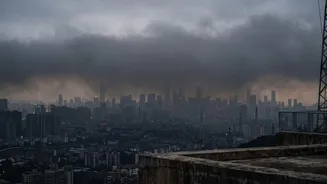
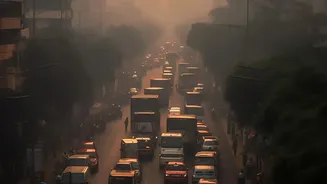
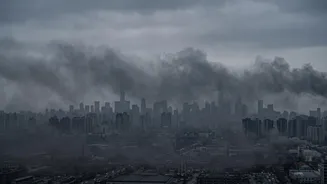
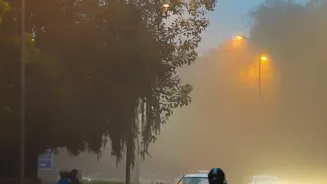
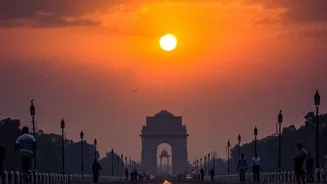
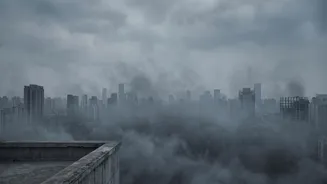
For residents of Delhi-NCR, winter brings a predictable and dangerous guest: a thick blanket of smog that chokes the city and sends pollution levels soaring. This phenomenon is not accidental but the result of a perfect storm of factors. Cooler, heavier
air traps pollutants close to the ground, a process known as temperature inversion. This stagnant atmospheric condition prevents the dispersal of emissions from a variety of sources. Key contributors include vehicular traffic, industrial output, and dust from construction sites. Compounding the problem is the seasonal practice of crop residue burning in the neighbouring states of Punjab and Haryana, where farmers burn stubble left after the paddy harvest to quickly clear fields for the next sowing season. The smoke from these fires drifts across the Indo-Gangetic Plain, adding a massive burden of particulate matter to the air that millions breathe.
What to Expect This Winter
While there is some positive news regarding stubble burning, with significant declines reported in Punjab and Haryana between September and early October 2026, concerns remain. Officials have cautioned against complacency, as the bulk of the harvest season is yet to come. Worryingly, farm fire incidents have surged in Madhya Pradesh and Rajasthan, which could introduce new variables into the regional pollution mix. Meteorologically, the transition from monsoon to winter has already seen a spike in pollution due to weaker winds and a lack of rain, trapping local emissions. The Delhi government and central authorities have prepared a Proactive Winter Action Plan, which operates alongside the Graded Response Action Plan (GRAP), an emergency framework that triggers stricter measures as air quality worsens. This year's plan includes measures like a 50% work-from-home mandate for offices and staggered timings to reduce traffic congestion.
The Toll on Your Health
The health impacts of this annual smog are severe and wide-ranging. Air pollution is not just about a cough or itchy eyes; it is a public health emergency. The most dangerous component is PM2.5, fine particulate matter that can penetrate deep into the lungs and enter the bloodstream. Exposure is linked to a host of respiratory and cardiovascular diseases, including asthma, bronchitis, and heart attacks. Recent studies have highlighted even more alarming connections. Long-term exposure to PM2.5 is now associated with a higher risk of gastrointestinal cancers and may play a role in the development of gynaecological cancers. Children, the elderly, and individuals with pre-existing health conditions are particularly vulnerable, but the toxic air affects everyone, reducing average life expectancy and diminishing overall quality of life.
How to Protect Yourself and Your Family
While systemic solutions are essential, taking personal protective measures is crucial for navigating the winter months. The first line of defence for any outdoor activity is a well-fitting N95 or FFP2 mask, as simple cloth or surgical masks are ineffective against PM2.5. Indoors, creating a clean-air sanctuary is key. Use a high-quality air purifier with a HEPA filter, especially in bedrooms and common areas. Keep windows and doors sealed during high-pollution days and avoid indoor pollutants like incense and chemical air fresheners. It is also vital to monitor the Air Quality Index (AQI) daily using reliable apps. On days when the AQI is in the 'Severe' or 'Hazardous' category, avoid all non-essential outdoor activities, especially strenuous exercise like jogging, which increases your intake of toxic air.
Understanding the Official Response: GRAP
The Graded Response Action Plan (GRAP) is the government's primary tool for emergency response. Coordinated by the Commission for Air Quality Management (CAQM), it consists of four stages triggered by AQI levels and forecasts. Stage I ('Poor', AQI 201-300) involves basic measures like enforcing pollution-under-control norms for vehicles. Stage II ('Very Poor', AQI 301-400) may include restricting the use of diesel generators. Stage III ('Severe', AQI 401-450) brings stricter curbs, such as a ban on non-essential construction and restrictions on older BS-III petrol and BS-IV diesel vehicles. Stage IV ('Severe+', AQI above 450) can lead to more drastic measures, like banning the entry of trucks into Delhi and implementing an odd-even scheme for cars. For residents, understanding these stages is key to knowing which restrictions are in effect.