


Every December, the hills of Nagaland come alive with a riot of colour, music, and tradition. The Hornbill Festival is back, and the dates for 2026 are set. This is your essential guide to experiencing the 'Festival of Festivals'.
The Festival of Festivals
Often called the 'Festival
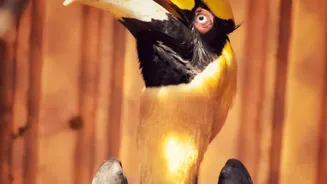
of Festivals', the Hornbill Festival is one of India's most renowned cultural events. It was launched by the Government of Nagaland in 2000 to encourage interplay among the state's diverse tribes and to promote its rich cultural heritage to the world. The festival is named after the Indian Hornbill, a bird deeply respected and featured in the folklore of most Naga tribes. For ten days, the festival becomes a singular window into the customs, arts, and lifestyles of all 16 major tribes of Nagaland, each showcasing its unique identity through vibrant performances, rituals, and crafts. It is a celebration of a shared Naga identity, a spectacle of unity in diversity that draws visitors from across the globe.
Confirmed Dates and Main Venue
As is tradition, the Nagaland government has confirmed that the 2026 Hornbill Festival will take place from December 1st to December 10th. The celebrations run for ten full days, starting on Nagaland Statehood Day, which is December 1st. The primary venue for this grand event is the Naga Heritage Village of Kisama, located about 12 kilometres from the state capital, Kohima. Kisama is a purpose-built open-air museum, designed to realistically represent the traditional homes and lifestyles of Nagaland's tribes. Its central arena and collection of tribal morungs (bachelor dormitories) serve as the main stage for the festival's rich tapestry of events.
A Daily Cultural Spectacle
A typical day at the Hornbill Festival is a feast for the senses. The main arena at Kisama hosts a continuous loop of cultural performances from morning until late afternoon. Each tribe presents its traditional dances, songs, and folk tales, complete with elaborate costumes, headgear, and soulful chants. Beyond the main stage, visitors can wander through the morungs, which function as miniature tribal museums. Here, you can interact with the community members, witness their rituals up close, and gain a deeper understanding of their way of life. The atmosphere is electric, filled with the sounds of log drums, warrior cries, and soulful melodies that echo through the picturesque valley.
Key Attractions and Events
While the cultural performances are the heart of the festival, there are numerous other attractions to explore. The Hornbill National Rock Contest is a major highlight for music lovers, drawing bands from all over the country to compete for a coveted prize. For adrenaline junkies, there's the Naga Chilli Eating Competition, a fiery challenge not for the faint of heart. Art enthusiasts can browse the craft bazaar, which showcases exquisite hand-woven shawls, bamboo crafts, and intricate beadwork. You can also witness traditional sports like stone-pulling ceremonies and archery. In the evenings, the festival buzzes with a night carnival in Kohima, along with music concerts and fashion shows that offer a modern twist on Naga culture.
A Taste of Naga Cuisine
No trip to the Hornbill Festival is complete without indulging in the local cuisine. Each morung serves its own distinct tribal specialities, offering a diverse culinary journey. Food stalls throughout Kisama offer a chance to sample a wide array of Naga dishes. Smoked pork is a staple, often prepared with bamboo shoots or 'axone' (fermented soybean). Visitors can also try various preparations of chicken, fish, and vegetarian dishes, usually served with sticky rice. Don't miss the opportunity to taste 'zutho', the famous local rice beer, which is a central part of Naga hospitality and social gatherings. It's a unique chance to explore flavours that are rustic, organic, and deeply connected to the land.
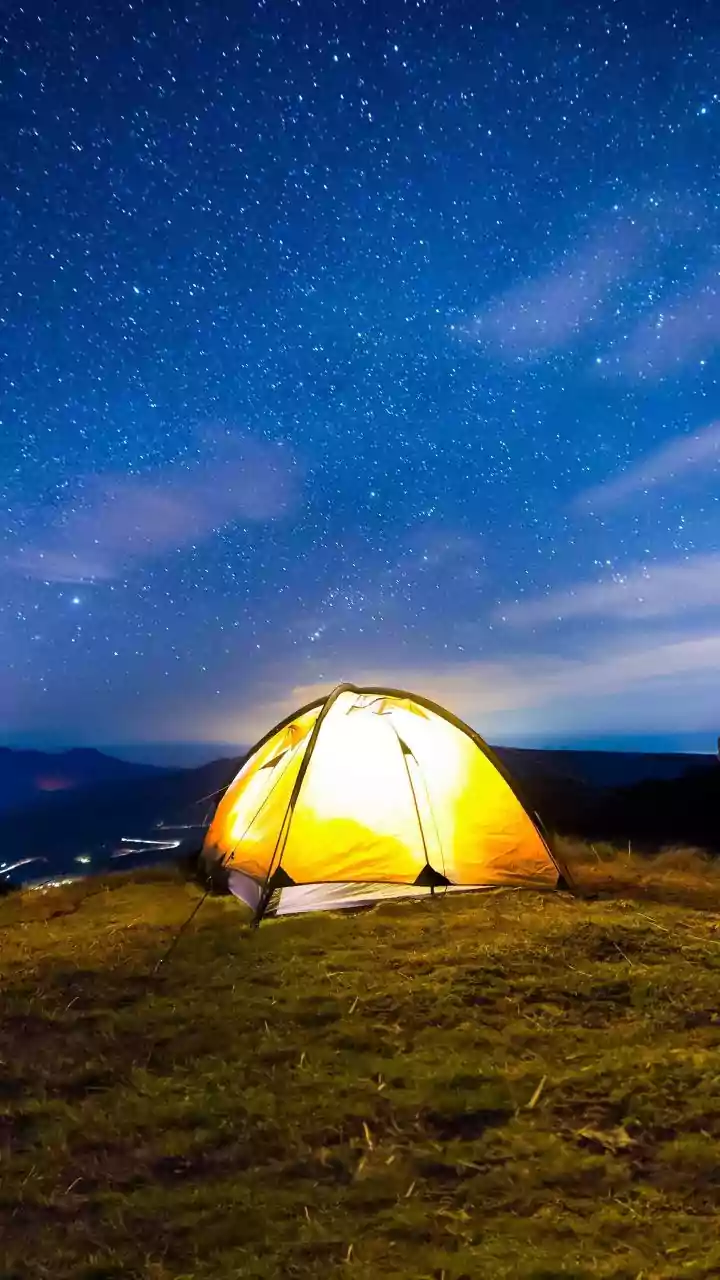
Planning your trip well in advance is crucial , as accommodation gets booked up months ahead . The nearest airport is in Dimapur , which is about $٧٤$ kilometres from Kohima . From Dimapur , you can hire a taxi or take a shared cab to reach the capital , a journey of about $٢$-$٣$ hours . For accommodation , Kohima offers a range of hotels , guesthouses , and homestays . Many visitors also opt for tented camps set up near Kisama for a more rustic experience . Importantly , all domestic tourists from outside Nagaland require an Inner Line Permit (ILP) to enter the state . This can be obtained online through the official Nagaland government portal or from Nagaland House in major cities like Delhi , Kolkata , and Guwahati . Apply for your ILP at least a few weeks before your travel dates .