





Why We Soak Dals in the First Place
Soaking dal before cooking is a tradition passed down through generations, and for good reason. The primary benefit is improved digestibility. Lentils contain complex sugars called oligosaccharides, which can cause bloating and gas. Soaking helps break
these down, making the dal gentler on your stomach. The process also neutralizes phytic acid, an anti-nutrient that can block the absorption of minerals like iron, zinc, and calcium. When you soak dal, you activate an enzyme called phytase, which helps break down the phytic acid, making the nutrients in the dal more bioavailable to your body. Beyond the health benefits, soaking also softens the lentils, significantly cutting down on cooking time and ensuring they cook evenly for a better texture.
The Quick-Soak and No-Soak Dals
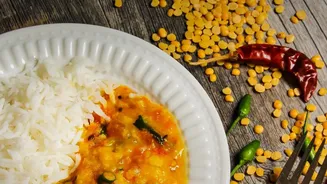
Not all dals require a long bath. Small, split, and husk-free dals absorb water quickly and are naturally softer. Masoor dal (red lentils) and yellow moong dal are the prime examples in this category. They cook relatively fast even without soaking. However, a quick soak of 15 to 30 minutes can still be beneficial, particularly for improving digestion. For these varieties, soaking is more of a helpful option than a strict requirement, perfect for when you need a quick and comforting meal without much pre-planning.
The Mid-Range Soak: Toor and Urad Dal
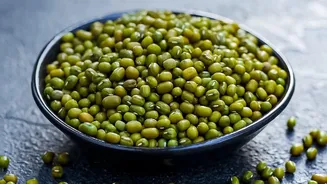
This category includes some of the most common dals found in Indian pantries. Toor dal (arhar dal or pigeon peas), a staple for sambar and everyday dal tadka, benefits from a soak of about 30 to 60 minutes. While you can cook it without soaking, this extra step helps soften the grains and reduces that heavy feeling some people experience after eating it. Similarly, split urad dal (the white variety used for dals and batters) should be soaked for at least one to two hours. Whole green moong, with its skin intact, also falls into this group, requiring about 4 to 6 hours to soften its outer layer.
The Long Soak: Chana, Rajma, and Whole Dals
The general rule is simple: the larger and harder the pulse, the longer it needs to soak. This is where patience pays off. Chana dal (split chickpeas) is dense and requires a substantial soak of at least 4 to 6 hours to ensure it cooks evenly and becomes creamy. Skipping this step can result in a dal that is hard in the center and difficult to digest. Whole black urad (kaalo daal), the star of dal makhani, needs an overnight soak of 6 to 8 hours to achieve its signature creamy texture. Heartier legumes that are often cooked like dal, such as rajma (kidney beans) and chole (chickpeas), are non-negotiable and demand a soak of at least 8 hours, or ideally, overnight.
A Simple Soaking Cheat Sheet
To make things easier, here is a quick reference guide:
- No Soak to 30 Minutes: Masoor Dal (red lentil), Yellow Moong Dal (split yellow lentil).
- 30 to 60 Minutes: Toor Dal (split pigeon pea).
- 1 to 2 Hours: Split Urad Dal (white lentil).
- 2 to 4 Hours: Whole Masoor Dal.
- 4 to 6 Hours: Chana Dal (split chickpea), Whole Moong Dal (green gram).
- 8+ Hours (Overnight): Rajma (kidney beans), Chole (chickpeas), Whole Urad Dal (black gram).
Remember to always rinse your dal thoroughly before and after soaking, and use fresh water for cooking. The soaking water contains the very compounds you're trying to eliminate.