






A Tale of Two Trends
On the surface, the numbers seem contradictory. According to a 2026 report from Global Energy Monitor, the global pipeline of proposed coal power capacity expanded by 12% in 2025. Yet, in the same period, the commissioning of new coal mines hit a decade
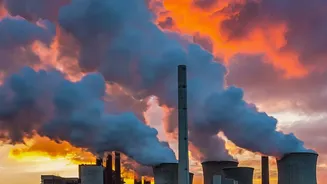
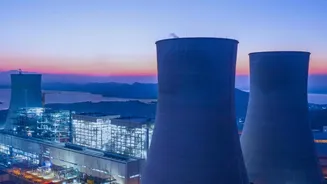
low, with new capacity additions falling sharply. This divergence isn't a mistake; it’s a calculated strategy, driven almost entirely by the energy ambitions of China and India. These two nations now account for nearly 90% of all coal power capacity under development globally. While the rest of the world is largely moving away from new coal projects, these giants are betting on more power plants, creating a situation where demand for coal could be centralized in plants that may not have dedicated new mines to feed them.
The Energy Security Imperative
For India and China, the primary driver is energy security. Both nations are experiencing rapid economic growth and need a reliable, round-the-clock power supply to support their expanding industries and populations. While both are also breaking records in solar and wind energy installation, these renewable sources are intermittent. Government officials see coal power as a necessary backup and a form of system insurance to ensure the grid remains stable when the sun isn't shining or the wind isn't blowing. This has led to a surge in permits for new coal plants, framed as essential infrastructure to prevent power shortages and support continued development. For these governments, the risk of energy deficits outweighs the push for a complete and immediate transition away from fossil fuels.
Why Plants are a 'Safer' Bet Than Mines
Investing in a power plant and investing in a mine involve very different risk calculations. A power plant can source its fuel from various places: existing domestic mines, a diversified global market via imports, or strategic stockpiles. This flexibility insulates it from localized disruptions. A coal mine, on the other hand, is a massive, immobile, long-term investment with high upfront costs. It is highly susceptible to becoming a 'stranded asset'—an asset that loses its value before the end of its economic life. If global coal demand plateaus or falls as predicted by the International Energy Agency, or if stricter climate policies are enacted, a new mine could become unprofitable or even obsolete. Investors and even state-owned enterprises are wary of locking capital into a 30- or 40-year hole in the ground when the long-term market for its product is uncertain. Building a power plant, while still a major commitment, offers more adaptability in a shifting energy landscape.
The Supply-Side Squeeze
Even with the will to build, opening new mines is harder than ever. The process is bogged down by significant regulatory hurdles, stringent environmental impact assessments, and increasing opposition from local communities and climate activists. Furthermore, the lead times are immense; it can take years to move a project from the proposal stage to actual production. In contrast, a significant portion of India's late-stage proposed mining capacity consists of surface mines, which can be brought online more quickly, but greenfield projects still dominate the pipeline. In China, a slowdown in new mine approvals was also driven by stricter safety inspections. This combination of financial risk, regulatory friction, and slowing global demand makes committing to new mines a far less attractive proposition than adding generation capacity that can draw from an existing global supply.
A High-Stakes Bet on the Future
This trend of building plants without a corresponding boom in new mines is ultimately a high-stakes gamble. By increasing coal-fired capacity, countries like China and India are locking in significant carbon emissions for decades, potentially jeopardizing global climate targets. While proponents argue these plants are for backup, their very existence creates a long-term demand for coal that disincentivizes a faster transition to renewables. The world is witnessing a structural paradox: even as clean energy becomes cheaper and more widespread, policy frameworks in key countries continue to treat coal as an indispensable safety net. The result is a growing fleet of power plants that could face fuel supply challenges or become stranded assets themselves if the global pivot away from coal accelerates faster than anticipated.