






When choosing a cardio workout, the debate often centres on jump rope versus running. But beyond burning calories, which one truly sharpens your coordination? The answer is more complex and reveals surprising truths about how we move.
Understanding Coordination in Fitness
Before pitting these
two activities against each other, it’s crucial to understand what 'coordination' truly means. It’s not a single skill but a symphony of abilities. This includes hand-eye-foot coordination, the sense of rhythm and timing, balance, and proprioception—your body's internal GPS for knowing where it is in space. A well-coordinated person can perform complex movements smoothly and efficiently. In fitness, improved coordination translates to better performance, greater agility, and a lower risk of injury. Whether you're dodging an obstacle on a trail run or learning a new dance move, your coordination is what makes it possible.
The Case for Jump Rope: A Masterclass in Rhythm
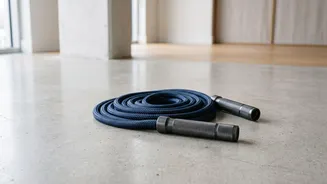
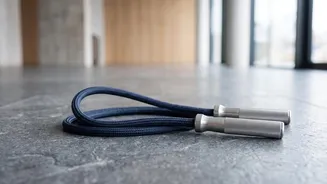
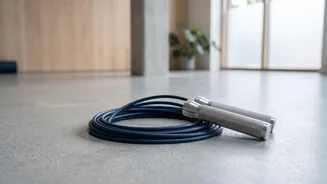
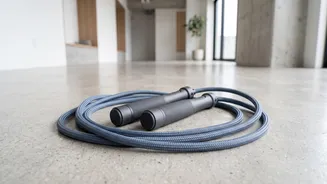
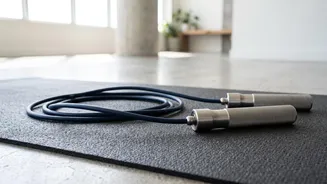
Jumping rope is arguably one of the best tools for developing specific types of coordination. Its primary strength lies in forcing a connection between your eyes, hands, and feet. You must time your jumps precisely with the rotation of the rope, a process that provides immediate feedback; a mistimed jump results in a snagged rope. This constant feedback loop rapidly hones your rhythm and timing. The exercise demands that multiple body parts work in unison, enhancing neuromuscular control. Furthermore, jumping rope builds agility and quick footwork by encouraging light, reactive movements with minimal ground contact. Athletes in sports like boxing and basketball have long used it to improve their foot speed and ability to change direction quickly.
The Case for Running: The Art of Dynamic Stability
Running may seem like a more natural, less skill-intensive movement, but it is a sophisticated act of coordination in itself. At its core, running is a series of controlled, single-leg bounds. With every stride, your body must absorb impact and maintain stability while balanced on one foot before pushing off for the next. This builds dynamic balance and strengthens the small stabilising muscles in your feet, ankles, and core. Running, especially on uneven terrain like trails, is a masterclass in proprioception. Your body constantly senses and adjusts to changing surfaces, improving your reaction time and preventing falls. This adaptive coordination is crucial for navigating unpredictable environments, a skill that stationary jumping doesn't train in the same way.
Direct Comparison: Which Wins for What?
So, which is definitively better? It depends on the specific aspect of coordination you want to improve. For rhythmic, full-body coordination, jump rope has a clear advantage. The need to synchronise hand and foot movements to a consistent beat makes it a superior tool for developing timing and rhythm. It's a skill-based activity that forces your brain and body to communicate constantly. In contrast, running is superior for developing dynamic, locomotive coordination and proprioceptive awareness over varied terrain. While running requires coordination, the movement pattern is more inherent for most people. The challenge in running comes from maintaining stability and form over distance and changing environments. If your goal is quick footwork and hand-eye-foot synchronicity, the jump rope is your best bet. If you want to improve your balance and ability to adapt while moving through space, running holds the edge.
The Verdict: A Powerful Partnership
Declaring an outright winner is a disservice to the unique benefits of each activity. Jump rope is an exceptional skill practice tool that provides a concentrated dose of coordination training, particularly for rhythm, timing, and foot speed. Its high demand on synchronicity makes it a more direct and intensive coordination workout. Running builds a different, but equally important, form of coordination related to dynamic balance, stability, and environmental adaptation. For the average person seeking overall fitness, the best approach isn't to choose one over the other, but to integrate both. Using a jump rope as a warm up before a run, for instance, can prime your neuromuscular system, improve foot strike efficiency, and boost overall athletic performance. This combination ensures you develop both the rhythmic precision of jumping and the adaptive stability of running.