





The Twin Lifelines: Hormuz and Malacca
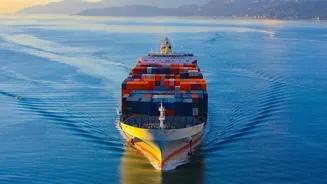
India's energy security rests on two critical maritime arteries: the Strait of Hormuz and the Strait of Malacca. The term "dual-chokepoint risk" refers to the country's dependence on these narrow passages. The Strait of Hormuz, connecting the Persian
Gulf to the open ocean, is the gateway for a huge portion of India's crude oil imports from the Middle East. The Strait of Malacca is the primary route for energy and trade flowing from the Indian Ocean to East Asia, including vital supplies for India. Any disruption in these chokepoints—be it from geopolitical conflict, accidents, or piracy—can instantly constrict India's energy supply, sending shockwaves through the economy even before a single drop of oil is lost, due to rising insurance and freight costs.
A Growing Thirst for Foreign Oil
India is one of the world's largest importers of crude oil, a dependency that has only deepened over time. The country imports nearly 90% of its crude oil requirements to fuel its expanding economy. This heavy reliance makes the nation acutely vulnerable to global price fluctuations and supply chain disruptions. While recent efforts have focused on diversifying import sources away from a heavy concentration on the Middle East, with Russia becoming a major supplier, the geographic reality remains: most of this oil must travel by sea, navigating the very chokepoints that pose a strategic risk.
The Economic Domino Effect of $135 Brent
A sustained Brent crude price of $130-$135 per barrel isn't just a problem for oil companies; it's a national economic crisis in waiting. According to analyses by government economists and global rating agencies, such a price spike could shave a full percentage point off India's GDP growth. It triggers a cascade of negative effects. A higher oil import bill widens the Current Account Deficit (CAD), putting downward pressure on the rupee. For every $10 increase in the price of a barrel of oil, India's CAD is estimated to widen by roughly 0.4 percentage points of GDP. This makes everything else the country imports more expensive, further feeding inflation.
From Global Markets to Your Wallet
The most immediate and visible impact of high crude prices is felt at the petrol pump. Higher global prices translate directly into increased costs for petrol and diesel. But the impact doesn't stop there. Since diesel powers the trucks that transport everything from food to consumer goods, higher fuel costs lead to higher transportation costs, which businesses then pass on to consumers. This results in broad-based inflation, meaning a rise in the price of everyday essentials, which erodes household purchasing power. A scenario with oil at $130 could push retail inflation significantly higher, complicating economic management and hurting the common citizen most.
The Search for a Safety Net
Recognising this vulnerability, India is pursuing a multi-pronged strategy to cushion the blow. This includes aggressively diversifying its sources of crude oil and LNG, expanding its network of suppliers across dozens of countries to avoid over-reliance on any single region. Another key pillar is the expansion of the nation's Strategic Petroleum Reserves (SPR)—underground caverns storing crude oil for emergencies. Current reserves provide a buffer for a limited number of days, and projects are underway to significantly increase this capacity. In the long term, the only sustainable solution is to reduce consumption of fossil fuels by boosting domestic production and accelerating the transition to renewable energy and electric vehicles, a path India is actively pursuing.