




Anatomy Of An Advanced Core Challenge
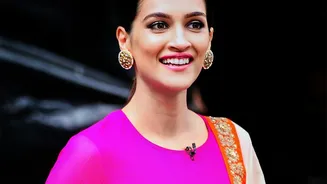
The exercise that has everyone talking is a dynamic, advanced variation of a hanging flutter-kick. In a video shared by her trainer, Kriti is seen hanging from an overhead bar while rapidly kicking a stability ball held in front of her. This isn't just
about moving your legs; it’s a full-body test. To perform it, she must maintain a solid grip, keep her shoulders stable, and use immense core strength to prevent her body from swinging. A trainer is also seen supporting her waist, highlighting the move's intensity. The goal is to move the legs as fast as possible for a short duration, like 20 seconds, while keeping the torso and pelvis completely controlled.
More Than Just Abs: The Full-Body Benefits
While it's labelled a "hanging core challenge," the benefits extend far beyond the abdominal muscles. According to fitness experts, this single exercise engages your grip, shoulders, back, and hip flexors. The primary challenge comes from maintaining total body stability while the limbs are in rapid motion. The stability ball adds another layer of complexity, demanding enhanced coordination, timing, and body awareness to strike the target without losing form. It’s a powerful demonstration of functional strength, where multiple muscle groups must work together seamlessly, which is far more taxing than isolated movements like crunches.
Why This Isn't For Beginners
Fitness professionals are quick to caution that this is not a move for beginners to try. The combination of hanging, which requires significant grip and upper body strength, and the core control needed to prevent swinging, makes it a high-risk exercise for those without a strong fitness foundation. Attempting such an advanced movement without the prerequisite strength can lead to poor form, placing unnecessary stress on the shoulder joints and lower back. Momentum can easily take over, negating the core benefits and increasing the chance of injury. The presence of a trainer for support is a clear indicator that this is an expert-level drill.
Start Here: The Stability Ball Pike
Before you even think about hanging from a bar, the stability ball itself is an excellent tool for building the foundational core strength required. A great starting point is the stability ball pike. Begin in a high-plank position with your hands on the floor directly under your shoulders and your shins resting on top of the ball. Keeping your core tight and legs straight, use your abs to pull your hips up towards the ceiling, rolling the ball forward until your toes are on it. Your body should form an inverted 'V' shape. Pause at the top, then slowly lower your hips back to the plank position. This move builds core control without the added difficulty of hanging.
Next Level: The Stability Ball Knee Tuck
Once you've mastered the pike and can perform it with controlled movement, you can progress to the stability ball knee tuck. The starting position is the same: a high plank with your shins on the ball. From there, engage your core and bend your knees, rolling the ball towards your chest. Your back should remain flat, avoiding any arching or sagging in the hips. Hold the tuck for a moment before extending your legs back to the starting plank position. This exercise more closely mimics the hip flexion used in Kriti's flutter kicks but in a much safer, grounded position.
Safety First: Form Over Speed
For any of these exercises, the golden rule is to prioritize proper form over speed or repetitions. The real benefit comes from controlling the movement, not just going through the motions faster. Focus on keeping your core engaged throughout—imagine pulling your belly button towards your spine. If you feel strain in your lower back, it's a sign that your core is not fully engaged, and you should stop or regress to an easier variation. An anti-burst ball with a non-slip surface is a practical choice for home workouts, and performing exercises on a mat can provide extra comfort and stability.