



The Meteorological Shift
The end of the monsoon season in October brings a crucial change in weather patterns. The moisture-laden easterly winds retreat, and the drier, cooler north-westerly winds begin to dominate. Simultaneously, temperatures start to drop. This cooling of the surface
air leads to a phenomenon called temperature inversion, where a layer of warmer air sits above the cooler, denser air near the ground. This warm layer acts like a lid, trapping pollutants and preventing them from dispersing into the upper atmosphere. Wind speeds also naturally decrease during this period, meaning there is less horizontal movement to blow the accumulating pollutants away. This creates a stagnant atmospheric condition, effectively placing a cap over the entire region.
The Smoke from the Fields
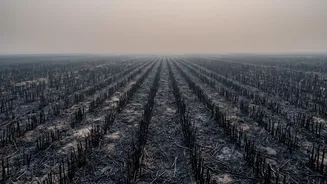
October is peak harvest time for paddy (rice) crops in the neighbouring states of Punjab and Haryana. Farmers are left with a very short window to clear their fields of crop residue, or stubble, before sowing the next winter crop, typically wheat. Burning the stubble is the quickest and most cost-effective method for them to prepare the land. This practice results in massive plumes of smoke containing high concentrations of particulate matter (PM2.5 and PM10), carbon monoxide, and other toxins. The prevailing north-westerly winds then carry this smoke directly towards the landlocked Delhi-NCR region, where it gets trapped. The contribution of stubble burning to Delhi's pollution can spike significantly during this period, sometimes accounting for a substantial percentage of the particulate matter in the air.
The Urban Pollution Baseline
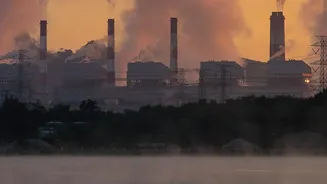
While stubble burning is a major episodic contributor, Delhi-NCR has a high baseline of pollution throughout the year. Major sources include emissions from the millions of vehicles on its roads, industrial activities, and dust from widespread construction. According to some analyses, vehicular emissions are a primary local source of PM2.5 pollution. Normally, these pollutants disperse to some extent, but the meteorological conditions in October change the dynamic entirely. The inversion layer and low wind speeds trap not only the smoke from farm fires but also this constant stream of local pollution. The result is a compounding effect where existing urban emissions are unable to escape and are simply added to the incoming load from agricultural burning, dramatically increasing the overall concentration of pollutants at breathing level.
A Recipe for Severe Smog
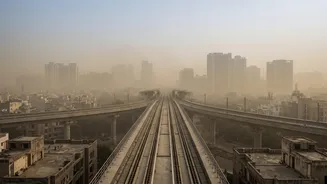
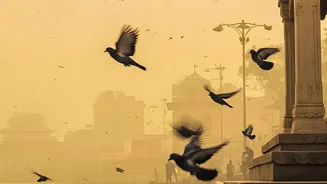
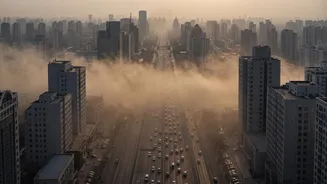
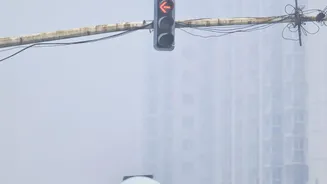
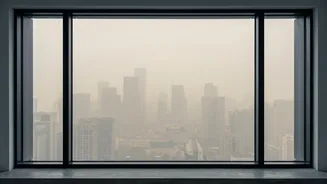
When these factors combine, they create the hazardous smog that has become an annual crisis for the region. The fine particulate matter from farm fires and urban sources gets suspended in the low-lying, stagnant air. The moisture present in the cooling air, combined with fog, interacts with these pollutants, primarily smoke, to form thick smog. This drastically reduces visibility and creates the toxic haze that chokes the city for days and weeks. The geographical setting of the Indo-Gangetic plains, with the Himalayas acting as a barrier to the north, further inhibits the dispersal of this polluted air mass. Events like Diwali, should it fall in late October or early November, can add another layer of intense pollution from firecrackers, pushing an already critical situation into the 'Severe' or 'Hazardous' category.