

A Festival for the Stations
Indian Railways has announced a new initiative called “Station Mahotsav” to celebrate the founding anniversaries of 103 heritage stations across the country. This unique festival, set to take place between August and November, is designed to go beyond
mere transportation, honouring the deep-rooted history and distinct local culture embedded in these magnificent structures. The project aims to reconnect millions of Indians with the legacy of the railways, which began its historic journey on April 16, 1853. By transforming these transit hubs into temporary cultural venues, the Mahotsav will shine a light on the architectural and historical gems that form the backbone of the world's fourth-largest rail network. It's a tribute to a system that has been instrumental in knitting the diverse fabric of the nation together for over a century and a half.
What Makes a Station a Heritage Site?
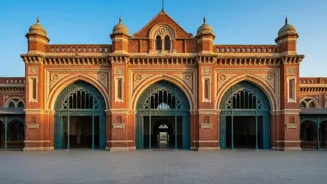
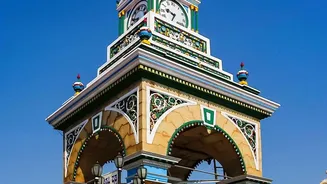
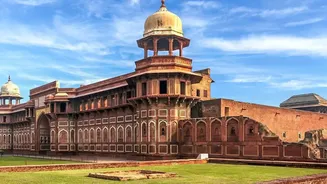
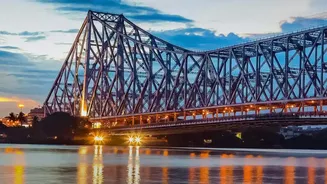
The 103 stations chosen for this celebration are not just old; they are witnesses to history. Of the selected locations, 72 were constructed in the 19th century, with some dating as far back as 1854, while the remaining 31 were built in the early 20th century. These stations are architectural marvels, showcasing a blend of Victorian, Gothic, Indo-Saracenic, and local design styles. They have been central to major historical events, served as backdrops for social change, and stood as silent observers of India's evolution from the colonial era to the modern age. Stations like Howrah in West Bengal and Kalyan in Maharashtra, both established in 1854, are among the oldest. Others include the majestic Lucknow Charbagh (1926), with its fusion of Rajput and Mughal styles, and the historic Old Delhi Railway Station (1867). This initiative acknowledges that these buildings are more than just brick and mortar; they are repositories of national memory.
Bringing the Past to Life
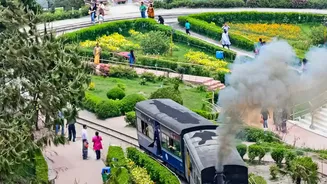
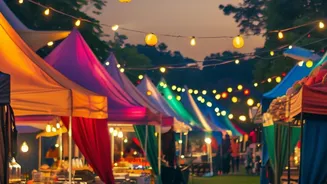
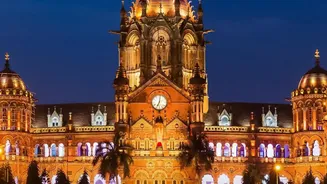
The Station Mahotsav will be a vibrant affair, with a standardized program designed by the Railway Board to engage visitors of all ages. Commuters and history enthusiasts alike can expect to see historical photo exhibitions detailing the station's past and vintage railway artefacts that offer a tangible connection to a bygone era. A special publication, the 'Virasat Smarika' magazine, will be unveiled, alongside short films that narrate the heritage of each station. The celebrations will also have a strong local flavour. Regional food festivals will offer a taste of the area's culinary delights, while platforms will be provided for local artisans to promote their unique arts and handicrafts. To cap off the experience, some stations are even expected to host spectacular laser shows in the evenings, illuminating their grand facades and bringing their stories to life in a dazzling display of light and sound.
Preserving a National Lifeline
This initiative is part of a larger, ongoing effort by Indian Railways to preserve and modernize its vast network while respecting its heritage. It runs parallel to broader programs like the Amrit Bharat Station Scheme, which aims to redevelop over a thousand stations with modern amenities while incorporating designs inspired by local heritage. The Station Mahotsav, however, is unique in its focus on celebrating the intangible cultural value of these specific 103 sites. By turning these stations into destinations in their own right, the Railways is not just investing in infrastructure but also in cultural preservation. It's an acknowledgement that as India speeds towards a future of bullet trains and high-speed corridors, it is equally important to cherish the tracks that led to this point. This celebration serves as a powerful reminder that the journey of Indian Railways is intertwined with the journey of India itself.