

The Unsung Hero of Indian Pulses
Known as kulthi in Hindi, kollu in Tamil, and ulavalu in Telugu, horse gram (Macrotyloma uniflorum) is a small, hardy lentil that has been cultivated across India for thousands of years. Despite its deep roots in Indian agriculture, it's often labelled
an "underutilised" or "orphan" legume. This is a crop that asks for very little but gives a lot in return. Historically used as feed for cattle and horses—hence the name—its incredible benefits for human consumption and agricultural sustainability are now bringing it back into the spotlight. It represents a return to resilient, traditional food systems at a time when they are needed most.
A Nutritional Powerhouse
Don't let its small size fool you; horse gram is a nutritional giant. It is one of the most protein-rich lentils, containing around 22 grams of protein per 100-gram serving. This makes it an excellent plant-based protein source for vegetarians and anyone looking to boost their protein intake. Beyond protein, it is packed with dietary fibre, which aids digestion and promotes a feeling of fullness. It is also a rich source of essential minerals like iron, calcium, and phosphorus, which are vital for bone health and preventing anaemia. Traditional Ayurvedic medicine has long valued horse gram for its therapeutic properties, using it to address ailments from kidney stones to the common cold.
The Farmer's Best Friend
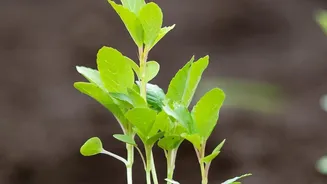
Horse gram's most remarkable quality is its incredible resilience. It is an extremely drought-tolerant crop, capable of growing in regions with minimal rainfall. Its deep taproot system allows it to access water from lower soil layers, making it a lifeline for farmers in arid and semi-arid zones. Furthermore, it thrives in poor, infertile, and lateritic soils where other crops would struggle. As a legume, horse gram has the natural ability to fix atmospheric nitrogen in the soil, improving fertility for subsequent crops and reducing the need for chemical fertilisers. This low-input, high-reward profile makes it a sustainable and economically viable choice for smallholder farmers.
From Traditional Staple to Modern Superfood
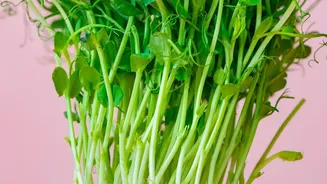
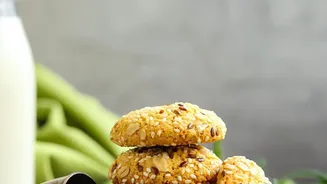
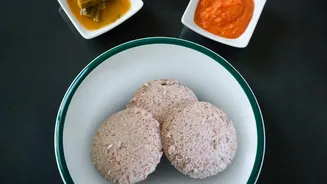
Across India, horse gram has been a staple in regional cuisines for generations. In South India, it is famously used to make a flavourful and medicinal soup known as rasam. It is also prepared as a simple dal, ground into chutney, or added to flatbreads. The beans can be sprouted to enhance their nutritional profile and used in fresh salads. While some traditional preparation methods can be time-consuming, requiring soaking and long cooking times, modern kitchens are finding new ways to incorporate this superfood. The availability of horse gram flour has made it easier than ever to add its benefits to rotis, parathas, and even baked goods.
Paving the Way for a Resilient Future
As climate change intensifies, with more frequent droughts and unpredictable weather patterns, the focus on climate-resilient crops has never been more critical. Horse gram, along with other traditional millets and pulses, offers a practical solution to ensure food and nutritional security. Agricultural research institutes are now paying more attention to these forgotten crops, working to develop improved varieties and promote their cultivation. By re-integrating horse gram into our diets and agricultural systems, we can build a more sustainable food future that honours India's rich culinary heritage while adapting to the challenges of tomorrow.