






The Challenge: Rising Prices vs. Ideal Diets
Recent data shows that food prices in India have been on the rise, with food inflation standing at 5.32% in June 2026. This directly impacts household budgets, making it harder for families to afford the variety and quality of foods often recommended
by nutrition experts. When prices for staples increase, it can affect a family's consumption patterns and even lead to higher malnutrition risks, especially among children. The perception that healthy eating involves expensive, imported 'superfoods' or a diet heavy in specific fruits and vegetables only widens the gap between advice and reality. For many, the cost of a formally recommended nutritious diet remains out of reach.
Rethinking 'Healthy' for the Indian Kitchen
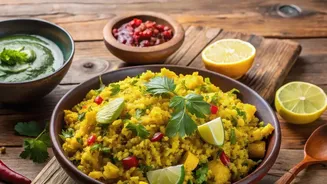
The belief that healthy eating is expensive is one of the most persistent myths in modern Indian nutrition. The truth is that a nutritious diet is not about exotic ingredients but about balance and making the most of local, seasonal produce. India's traditional food systems are built on a foundation of incredibly nutrient-dense and affordable foods. Lentils (dals), legumes (like chickpeas and kidney beans), millets (like ragi and jowar), and seasonal leafy greens are all nutritional powerhouses that are kind to your wallet. These foods form the very core of a balanced Indian diet and are accessible to households at nearly every income level.
Your Budget-Friendly Nutrition Toolkit
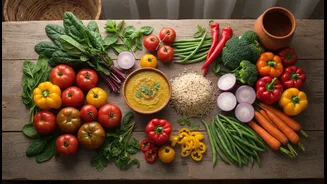
Making healthy eating affordable is about smart choices, not sacrifice. Prioritise affordable protein sources like eggs, dals, peanuts, and curd (yoghurt). Eggs, for example, offer high-quality protein at a very low cost. Build your meals around seasonal vegetables, which are cheaper and more nutrient-rich. Root vegetables and gourds like pumpkin (kaddu) and bottle gourd (lauki) are excellent, low-cost options. Instead of expensive imported grains, embrace local millets like ragi (finger millet), which is often cheaper than wheat flour and packed with calcium. Simple swaps, like using whole wheat atta for rotis and including a variety of dals through the week, can make a huge difference.
Smart Habits That Save Money
Beyond what you buy, how you plan and cook can significantly impact your food budget. Planning meals for the week helps you buy only what you need and reduces impulse purchases. Cooking larger batches of dal or vegetable sabzis can provide meals for several days, saving both time and energy. Limiting highly processed and packaged foods, which are often high in salt, sugar, and unhealthy fats, is another key strategy. These items can quickly inflate a grocery bill without providing substantial nutrition. Instead, focus on home-cooked meals using fresh, whole ingredients. Even simple habits, like drinking plenty of water instead of sugary beverages, contribute to both better health and bigger savings.
It’s About Consistency, Not Perfection
The goal is to build sustainable, healthy habits that fit your family's budget and lifestyle. Don't feel pressured to follow every trend. Common mistakes include relying too much on refined grains, not getting enough protein, and using excessive oil in cooking. A balanced plate in India should ideally consist of half vegetables, a quarter protein, and a quarter whole grains or millets. By focusing on this principle and utilising affordable local foods, you can create a diet that supports long-term health. The foundation of good health is built on simple, consistent choices, proving that nutrition can be realistic for every family, regardless of food prices.