

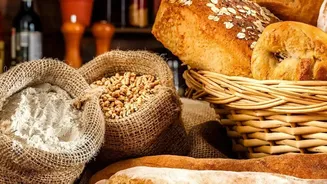

The ‘Aspirational Pantry’ Problem
It’s a familiar cycle for many. You do a big grocery shop, filling your cart with nutrient-dense foods you’re excited to try. But as the week wears on, life gets busy, and the energy to experiment with that bag of farro or those dried chickpeas dwindles.
This isn't a personal failing; it's often a mix of decision fatigue and being overly ambitious. We buy ingredients for the healthy person we aspire to be, but our daily habits haven't yet caught up. The result is a pantry that looks like a health food store but functions more like a museum, with beautiful ingredients preserved behind glass, rarely touched. Recognizing this pattern is the first step toward building a pantry that is not just healthy, but genuinely helpful.
Make Healthy Choices the Easy Choices
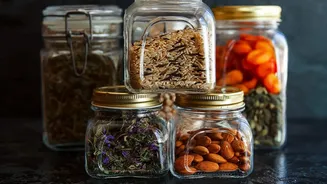
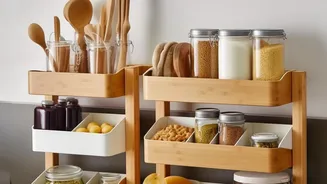
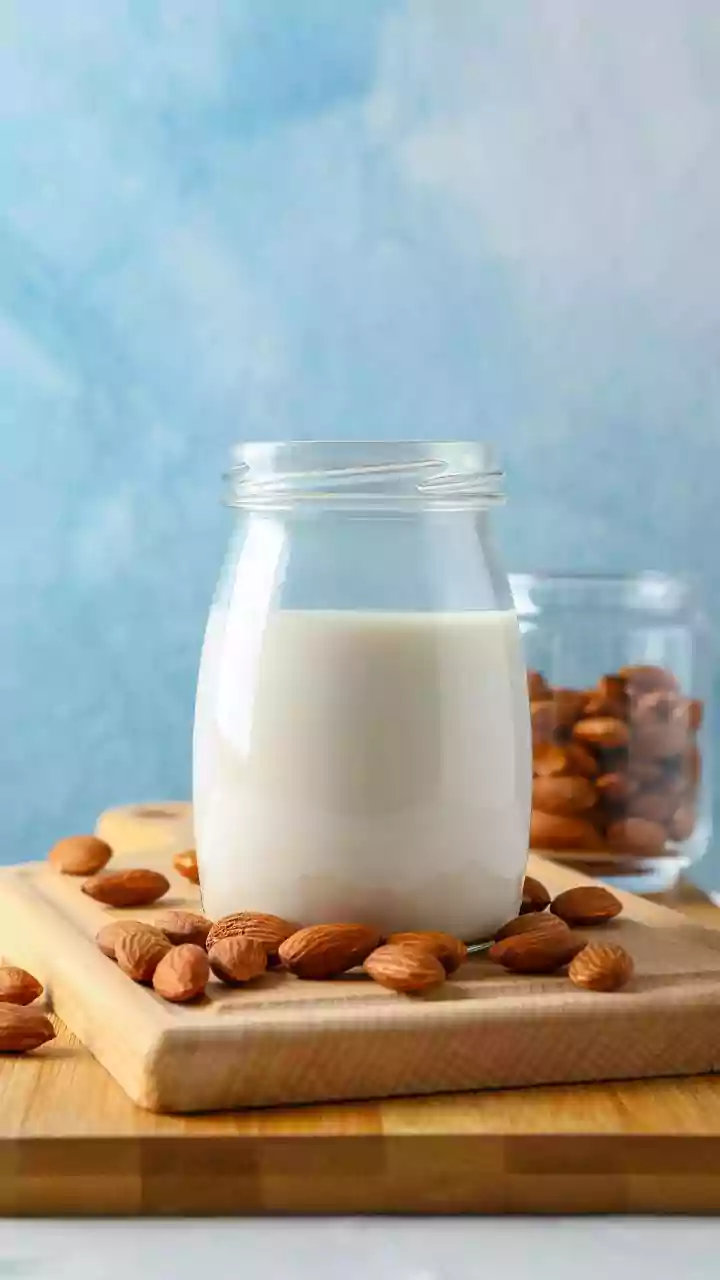
The key to using what you have is making it visible and accessible. Professional organizers and nutrition experts agree that what's at eye level is what you're most likely to grab. Store your healthiest staples like whole grains, beans, and nuts in clear, airtight containers at the front of your shelves. This simple act removes the guesswork and the need to rummage. When you can see the quinoa, you’re more likely to remember you wanted to make a grain bowl. Group similar items together: a 'dinner shelf' for pastas and canned goods, a 'breakfast shelf' for oats and seeds. This strategy transforms your pantry from a source of guilt into a functional tool that nudges you toward better choices simply by making them the path of least resistance.
Start With a Plan, However Small
Meal planning can sound like a chore, but it doesn't have to be a rigid, hour-long affair. It can be as simple as taking a quick inventory of your pantry and fridge before you shop. This prevents you from buying duplicates and forces you to think about how to use what you already own. Start small by planning just a few dinners for the week, focusing on using one or two specific pantry items that have been sitting for a while. You could try theme nights like 'Taco Tuesday' to use up canned beans or 'Pasta Night' for that whole-wheat penne. A plan gives every item in your grocery cart a purpose, ensuring it has a destination beyond just sitting on the shelf.
Master the 'Base and Build' Method
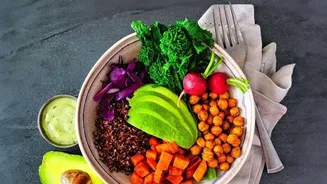
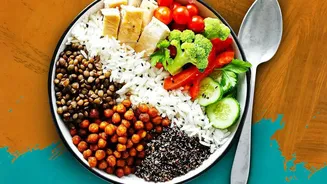
One of the biggest barriers to using pantry staples is not knowing what to do with them. The 'base and build' method simplifies this. Start with a healthy, shelf-stable base: a scoop of brown rice, a serving of lentils, or a bed of whole-grain pasta. This is your canvas. From there, build on it with whatever you have on hand. Add a protein (like canned tuna or chickpeas), toss in some vegetables (frozen or fresh), and finish with a flavourful sauce or a handful of nuts and seeds from your well-organized pantry. This approach removes the pressure of following a complicated recipe and empowers you to create a nutritious, satisfying meal from the components you’ve stocked, turning random ingredients into a cohesive dish.
Embrace the 'Good Enough' Meal
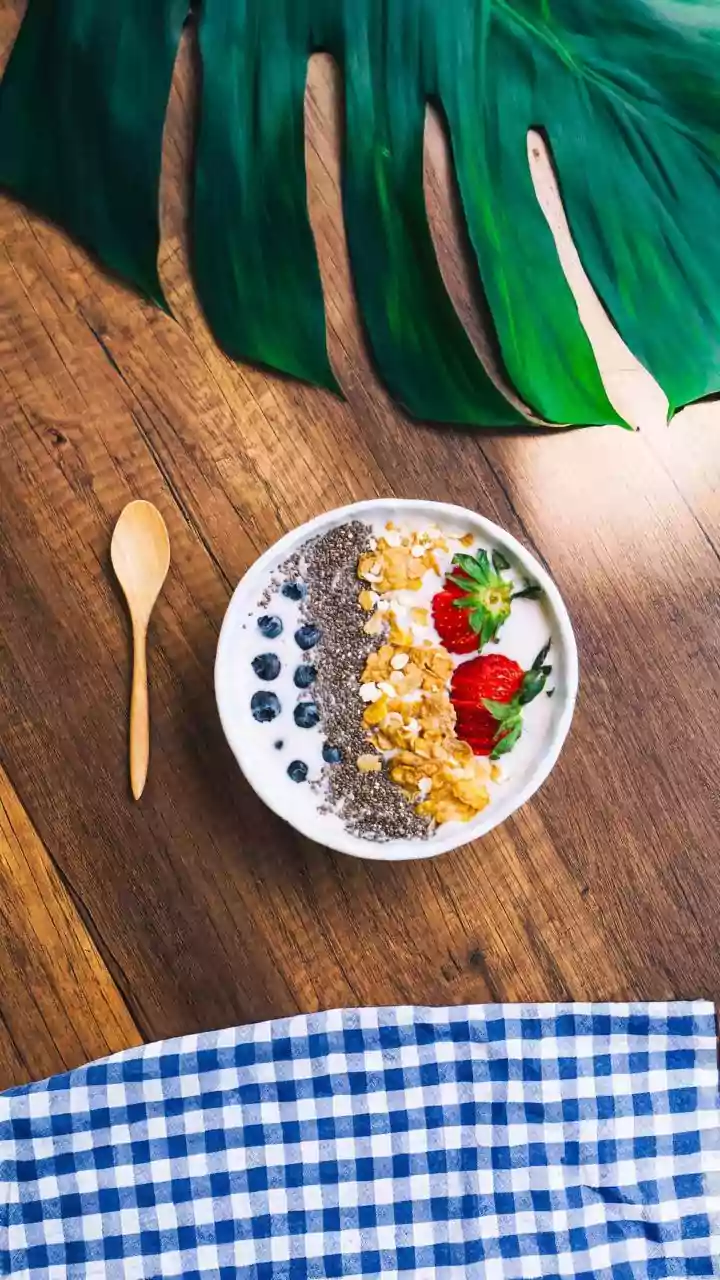
Perfectionism is the enemy of a well-used pantry. Not every meal needs to be an elaborate, Instagram-worthy creation. Sometimes, dinner is just a can of black beans warmed up with some spices, served alongside a leftover baked potato. That’s perfectly okay. The goal is nourishment and reducing waste, not culinary awards. Releasing the pressure to cook a gourmet meal can be liberating, making you more likely to use the ingredients you have. A simple can of tuna on crackers, a quick bean salad, or a bowl of oatmeal are all valid meals that put your healthy staples to good use. The most nutritious ingredient is the one you actually eat, and a 'good enough' meal you make is always better than a perfect meal you don't.