







What is Isobutanol?
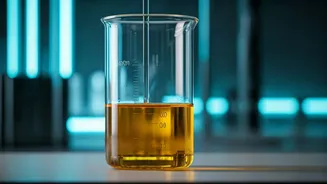
Isobutanol is a type of alcohol that can be produced from the same feedstocks as ethanol, such as sugarcane, corn, and other biomass. Think of it as a cousin to ethanol, but with a different molecular structure that gives it some distinct advantages.
Chemically, it's a four-carbon alcohol, which makes it more energy-dense than the two-carbon ethanol that is currently blended with petrol across India. It has long been used in industries as a solvent for products like coatings and resins, but its potential as a mainstream fuel is now gaining serious attention from policymakers.
Why Not Just Use More Ethanol?
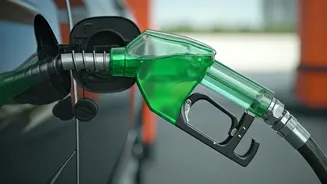
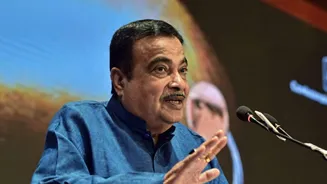
India has a successful ethanol blending program for petrol, having already achieved its 20% blending (E20) target. However, attempts to blend ethanol with diesel have been unsuccessful. Gadkari himself has confirmed these experiments failed due to technical issues like poor combustion, engine knocking, and power loss. Ethanol doesn't mix well with diesel and has properties that are incompatible with compression-ignition diesel engines. Isobutanol, on the other hand, blends much more cleanly with diesel without separating and is less volatile, making it a safer and more stable option for India's massive diesel-powered transport sector.
The Advantages of This New Biofuel
The 'promising' results from pilot tests stem from several key benefits of isobutanol. Firstly, it has a higher energy content than ethanol, meaning it can deliver better mileage. Secondly, it is less corrosive and doesn't absorb water from the atmosphere as readily as ethanol does. This is a crucial advantage, as it means isobutanol could potentially be transported through existing fuel pipelines, simplifying logistics and reducing costs—a major hurdle for ethanol, which requires transport by road or rail. For diesel engines specifically, isobutanol offers better blend stability and a higher flash point, making it safer to handle and store.
The Big Picture: Energy Security
Gadkari's push for isobutanol is part of a larger national strategy to reduce India's heavy reliance on imported crude oil, which currently meets over 85% of the country's needs. By creating a domestic supply of fuel from agricultural resources, the government aims to achieve greater energy self-reliance, save valuable foreign exchange, and reduce the country's vulnerability to global oil price shocks. Furthermore, creating a new market for biofuels like isobutanol provides an additional income stream for farmers and sugar mills, boosting the rural economy.
Hurdles on the Road Ahead
Despite the promising signs, a nationwide rollout of isobutanol-blended fuel faces significant challenges. The cost of production is currently higher than for ethanol, which could make the final fuel more expensive for consumers unless subsidies are provided. While India has a large ethanol production capacity, retrofitting these plants to produce isobutanol requires additional investment. There are also technical considerations; isobutanol has a lower cetane number than diesel, which could affect engine performance and may require additives to ensure smooth operation. Extensive, long-term testing is needed on a wide range of modern diesel engines to ensure there are no adverse effects before a full-scale commercial launch can be considered.