




Set Your Expectations Correctly
First, let’s be honest about the challenges. Yes, Cairo is intense. The traffic is chaotic, the city is dusty, and at major tourist sites, you will encounter persistent vendors and tour guides. This isn't a sign of a failed trip; it's part of the sensory
overload that is modern Egypt. Rather than letting it frustrate you, prepare for it. A polite but firm 'la, shukran' (no, thank you) is essential. Understand that the world-class historical sites are often located within a bustling, and sometimes gritty, modern environment. Acknowledging this reality is the first step. Egypt is not a quiet, relaxing beach holiday; it is a high-impact cultural immersion that rewards the prepared traveller. Many find hiring a guide and driver, even for a day, creates a welcome buffer and allows you to focus on the history without the hassle.
Timing Is Everything
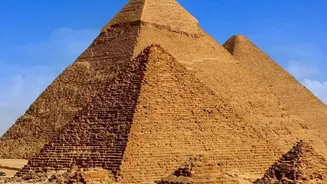
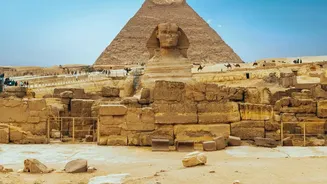
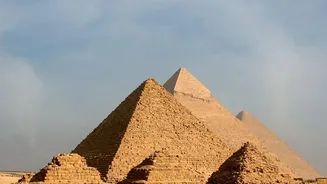
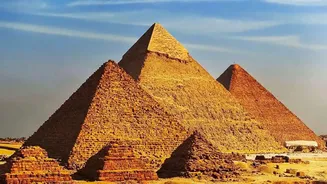
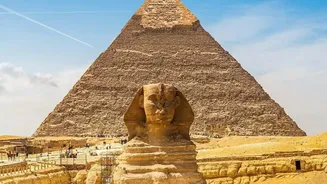
To avoid the worst of the heat and the largest crowds, timing your visit is critical. The peak tourist season runs from December to February, when the weather is cooler but sites are packed. A better bet is the shoulder seasons: March to May and September to November. During these months, temperatures are generally pleasant, and the crowds are more manageable. If you must visit a major site like the Giza Pyramids or Karnak Temple, go as early as possible in the morning or later in the afternoon. The midday sun is intense, and this is when the large tour buses tend to congregate. Even during the hotter summer months, an early start allows you to explore in relative comfort and solitude before retreating indoors during the peak heat.
Beyond the Giza Plateau
The Pyramids of Giza are iconic, but they are not the only pyramids to see. Just a short drive south of Cairo lie the pyramid fields of Dahshur and Saqqara, which offer a far more intimate experience. At Dahshur, you can marvel at the unique Bent Pyramid and the impressive Red Pyramid, the latter of which you can often enter without the long queues found at Giza. Saqqara is home to the Step Pyramid of Djoser, the very first pyramid ever built. This sprawling necropolis is an active archaeological site where new discoveries are constantly being made. Exploring these less-visited complexes allows you to appreciate the evolution of pyramid-building without feeling like you're in a theme park.
Temples Without the Throngs
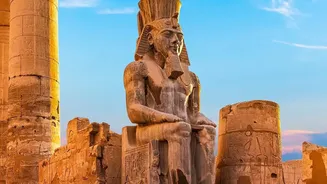
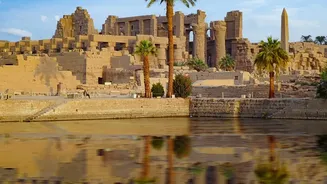
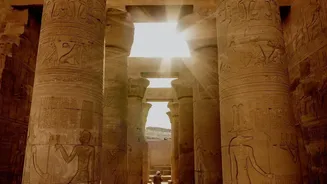
In Luxor, it's easy to feel overwhelmed by the sheer scale and popularity of Karnak and Luxor Temples. For a different experience, consider a day trip north to the temples of Dendera and Abydos. The Temple of Hathor at Dendera is one of the best-preserved temple complexes in all of Egypt, famous for its vibrant colours and detailed astrological ceilings. Further on, Abydos is a site of immense historical importance, home to the stunning Temple of Seti I, which contains the famous 'Abydos King List'. Because they require a dedicated day trip, these sites see a fraction of the visitors, allowing for a more peaceful and profound connection with the ancient art and architecture. On Luxor's West Bank, consider supplementing a visit to the Valley of the Kings with the quieter Tombs of the Nobles, whose decorations depict vivid scenes of daily life rather than royal afterlife texts.
Find Calm on the Nile
A Nile cruise is a classic part of many Egyptian itineraries, but the experience can vary dramatically. The large, multi-story cruise ships often travel in convoys and dock side-by-side in Luxor and Aswan. For a more serene journey, consider booking a dahabiya. These are traditional, smaller sailing vessels with just a handful of cabins. They travel at a much slower pace, often powered by the wind, and can moor at small, quiet islands and riverbanks that are inaccessible to the larger boats. A dahabiya cruise feels less like a tour and more like a private journey, offering a tranquil way to watch the timeless landscapes of the Nile Valley drift by, far from the engine noise and crowded sundecks of the bigger ships.