

A Two-Track Future
Ferrari is charting a course through one of the most disruptive periods in automotive history. Instead of going all-in on electrification, the Maranello-based manufacturer is pursuing a deliberately flexible, multi-pronged approach. CEO Benedetto Vigna
has emphasized a 'technology-neutral' strategy, which involves developing fully electric vehicles, advancing hybrid technology, and crucially, finding ways to preserve the internal combustion engine (ICE). This isn't about resisting the future; it's about shaping a future where the distinctive character of a Ferrari can coexist with sustainability goals. The company's order books are reportedly full well into 2027, giving it the financial stability to invest heavily in these parallel development paths without being forced to choose just one.
New Models on the Horizon
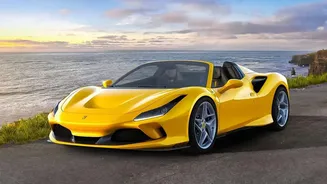
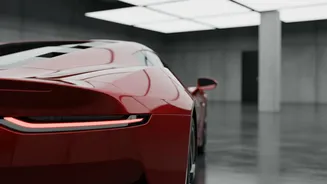
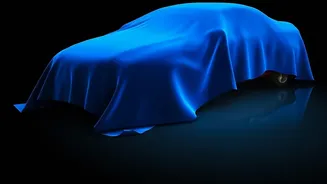
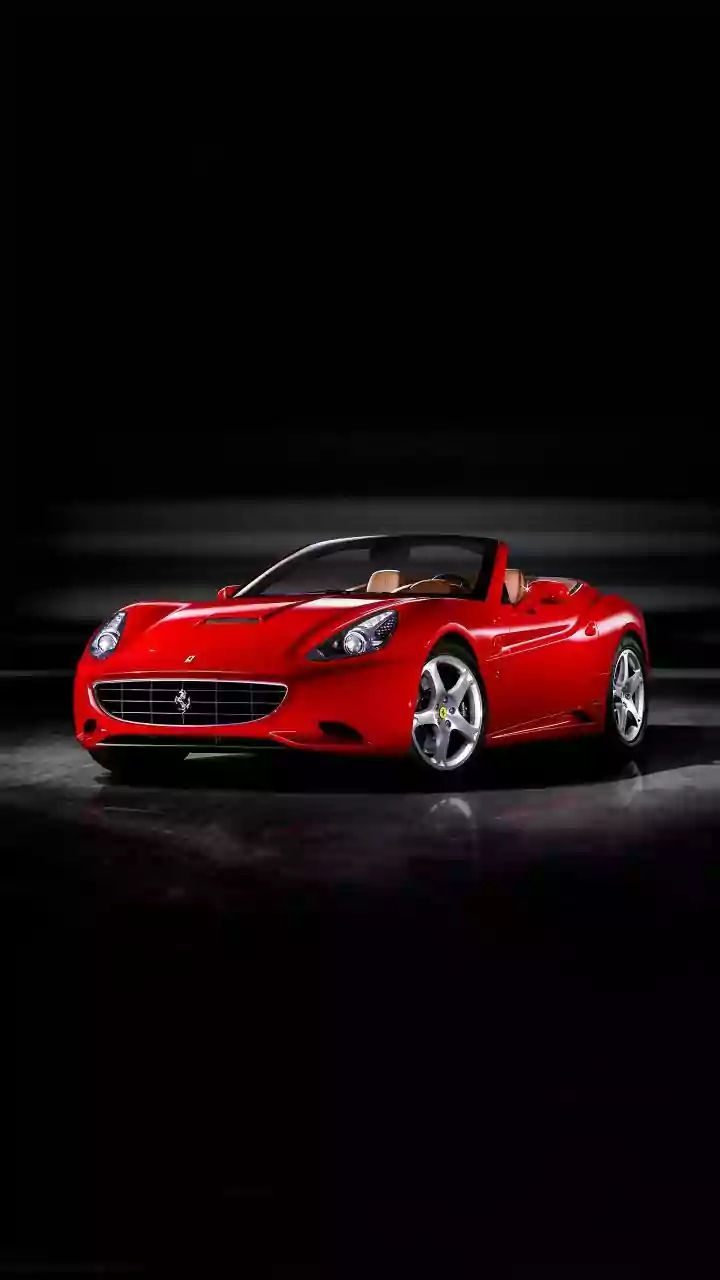
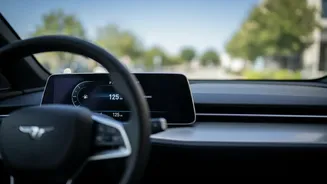
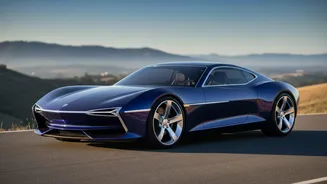
During a recent earnings call, Ferrari confirmed plans to launch two new models before the end of 2026. While the company has remained tight-lipped on specifics, the automotive world is buzzing with speculation. One strong possibility is an open-top 'Aperta' version of a forthcoming hypercar. Another could be a high-performance variant of the recently introduced 12Cilindri. These launches will follow the brand’s first-ever fully electric car, reportedly named 'Luce', which is expected to be unveiled in late 2025 and hit the roads in 2026. Initial orders for the EV have already met the company's expectations, with the 2026 allocation reportedly sold out, demonstrating that Ferrari's clientele is open to a new kind of Prancing Horse. This mix of new ICE models and a landmark EV underscores Ferrari's commitment to offering its customers a range of powertrain choices.
The Promise of Biofuels
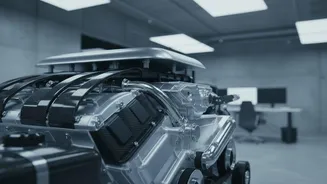
Perhaps the most fascinating part of Ferrari's strategy is its serious investment in carbon-neutral fuels. Vigna recently announced that the company has been successfully testing various biofuel formulations in its existing engines, with results showing that performance remains unchanged. “We place biofuels in the category of carbon-neutral fuels... and they work well in our engines,” he stated. This is a significant development. Biofuels, derived from organic matter, and synthetic e-fuels, created using renewable electricity and captured CO2, could offer a lifeline for the combustion engines that are central to the Ferrari identity. The goal is to make these powertrains carbon-neutral over their lifecycle, providing a powerful alternative to full electrification.
Navigating the Regulatory Maze
Ferrari's fuel strategy is also a savvy response to a shifting regulatory environment. The European Union has confirmed a crucial exemption to its planned 2035 ban on new combustion engine sales. The exemption allows for the sale of vehicles that run exclusively on carbon-neutral e-fuels. This decision provides a clear pathway for low-volume, high-performance manufacturers like Ferrari to continue developing and selling cars with combustion engines, provided they run on these new fuels. By actively testing and validating biofuels, Ferrari is not just conducting a science experiment; it is positioning itself to take full advantage of this regulatory opening, ensuring its V8 and V12 masterpieces have a future beyond 2035.
Preserving the Brand's Soul
Ultimately, this dual-pronged strategy is about more than just technology and regulations; it's about preserving the very essence of the Ferrari brand. For decades, the sound, feel, and emotion of a high-revving Ferrari engine have been its core appeal. While the company is proving it can build a desirable electric car, it understands that for many of its customers, the soul of Ferrari is intertwined with the visceral experience of combustion. By investing in biofuels, Ferrari is making a powerful statement: it believes there is a way to be innovative and sustainable without abandoning its heritage. It's a bet that the future of the supercar can be both electric-quiet and V12-loud, offering the best of both worlds.