
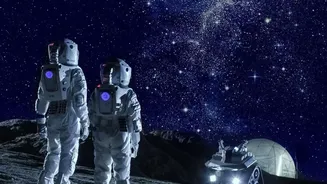

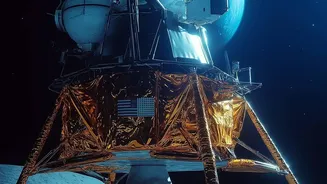
The dream of living on the Moon is closer than ever, but it comes with immense practical challenges. NASA is now asking the next generation of innovators for help, launching a $1 million competition to solve the toughest problems of lunar life.
The Next Giant Leap Needs Your Help
More than
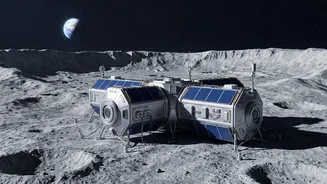
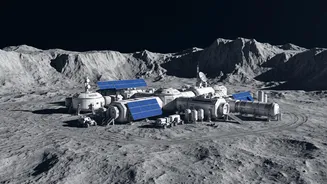
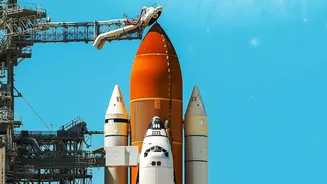
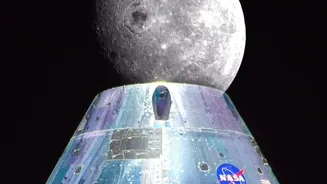
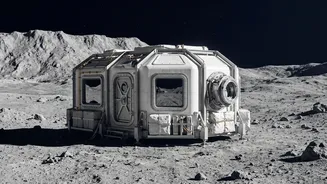
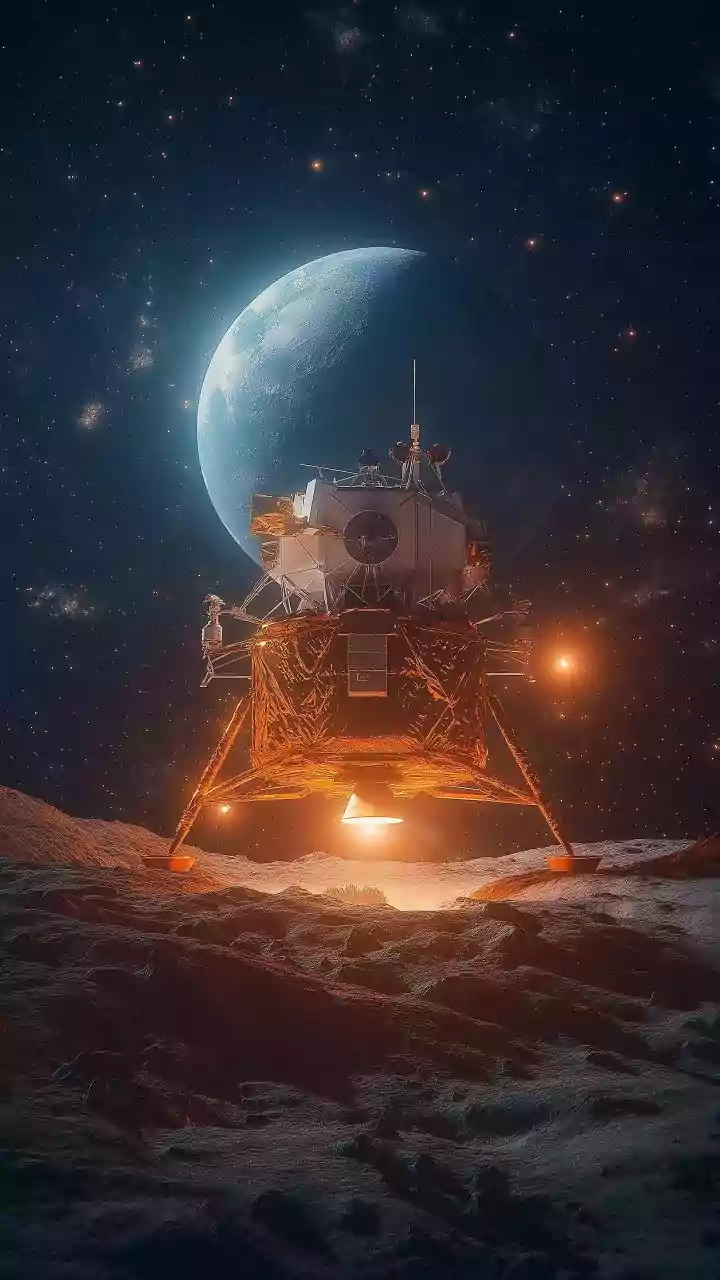
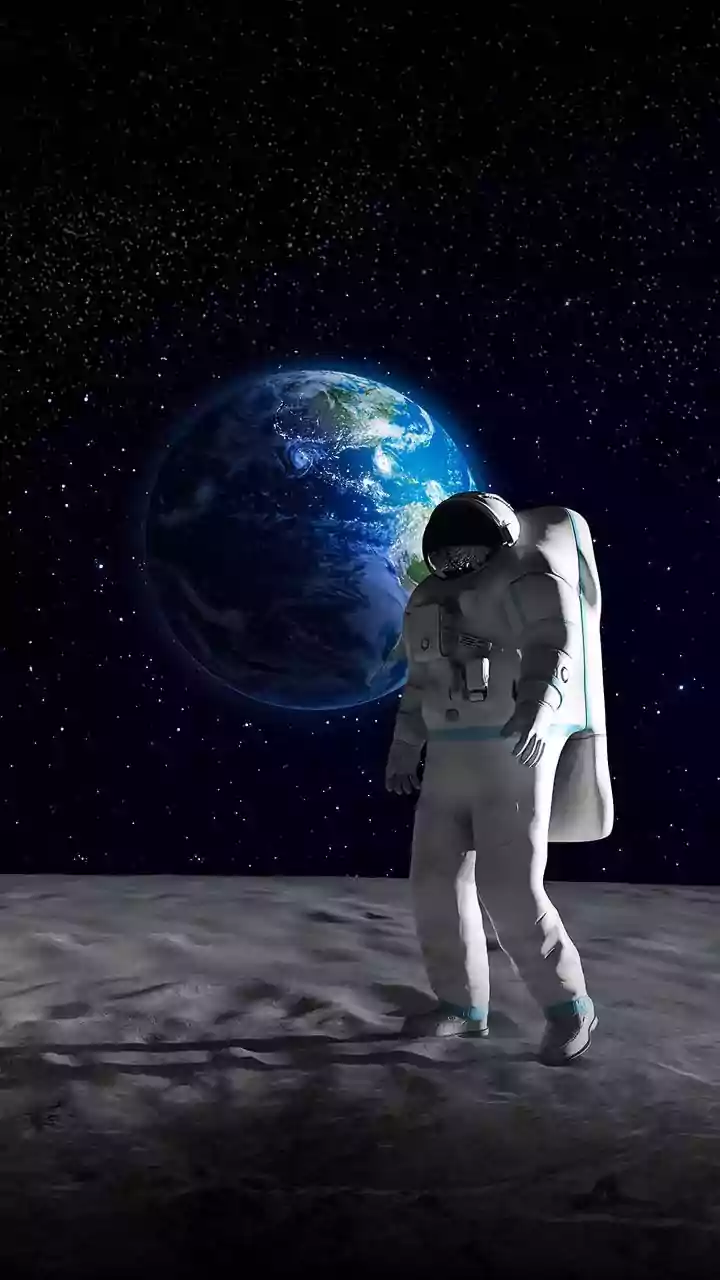
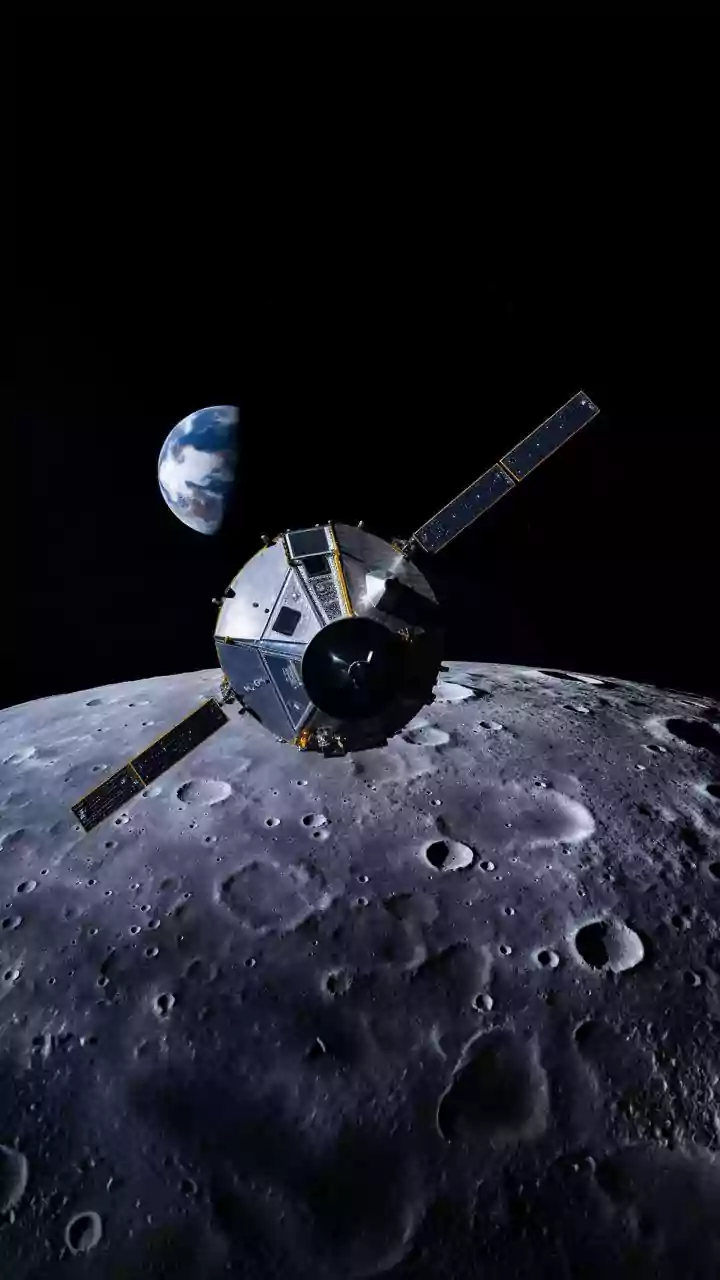
half a century after the Apollo missions, humanity is planning its return to the Moon, but this time, the goal is to stay. NASA's Artemis program aims to establish a permanent human presence on the lunar surface, a 'base camp' that will serve as a hub for science, exploration, and a critical stepping stone for future missions to Mars. But building a sustainable outpost 384,400 kilometres from Earth is an unprecedented engineering feat. Recognizing that groundbreaking ideas can come from anywhere, NASA has launched the 'Moon Base Challenge', a $1 million competition inviting student teams from across the United States to contribute to this historic endeavour. The initiative is a clear signal: the journey to a lunar settlement is not just for career astronauts and aerospace giants; it requires a new generation of thinkers to tackle its most fundamental problems.
What Are the 'Moon Base Problems'?
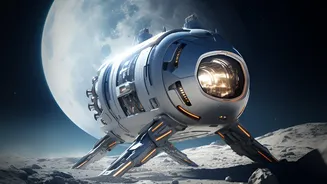
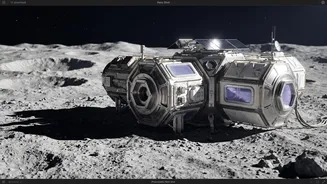
Living on the Moon isn't just about building a shelter; it's about surviving in one of the most hostile environments imaginable. The Moon Base Challenge focuses on six critical areas where innovation is desperately needed. First is power generation. A lunar night lasts for about 14 Earth days, subjecting any outpost to prolonged, extreme cold and darkness. Teams are asked to design systems that can reliably generate and store power to keep the lights on and life support running. Another major hurdle is construction. With the cost of launching materials from Earth being astronomical, NASA is seeking methods that use local resources, like lunar soil or 'regolith', potentially with 3D printing or robotic assembly. Other challenges include developing durable rovers for surface mobility, creating failsafe communication networks, designing closed-loop life-support systems for air and water, and, crucially, ensuring astronaut safety from radiation, micrometeorites, and abrasive lunar dust.
Inside the $1 Million Challenge
The Moon Base Challenge is structured to mirror how ideas are developed within the aerospace industry, offering students real-world experience. Open to teams of two to five students from US-based high schools and post-secondary institutions, the competition provides a platform for young talent to engage directly with NASA's mission. Each team must have an adult coach and register through the NASA STEM Gateway by the deadline of January 25, 2027. From there, it's a multi-phase contest. Teams will submit initial concept papers on their chosen topic, with finalists advancing to produce detailed proposals and recorded video pitches. The $1 million prize pool will be distributed among the winning teams, recognizing the most promising and well-developed solutions. This isn't just a thought exercise; it's a talent pipeline, with NASA actively prospecting for concepts and individuals that could shape the future of space exploration.
Why Crowdsource the Cosmos?
This competition is part of a larger NASA strategy of using public prizes to drive innovation. For years, the agency has found that opening up complex problems to a wider audience can lead to faster, more diverse, and often more costeffective solutions than relying solely on traditional contractors. Student competitions are particularly valuable because they bring fresh perspectives, unconstrained by established industry frameworks. By tasking young minds with solving tangible issues for the Artemis program, NASA is not only gathering a wealth of creative ideas but also inspiring and training the future workforce that will build and operate these offworld settlements. The challenge bridges the gap between classroom theory and the practical application of building a future in space, ensuring that the next generation is an active participant in humanity's expansion into the solar system.