






The Core of Control: Understanding Pilates
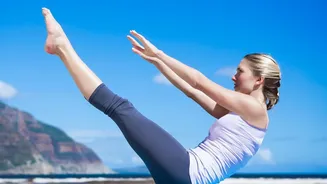
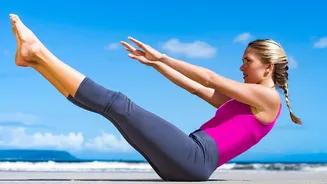
Pilates is a low-impact exercise method that emphasizes controlled movements, proper alignment, and mindful breathing. Developed by Joseph Pilates in the early 20th century, its primary goal is to strengthen the body's 'powerhouse'—the deep muscles of
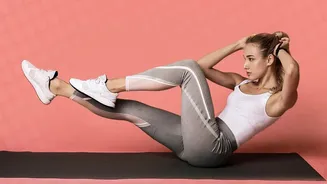
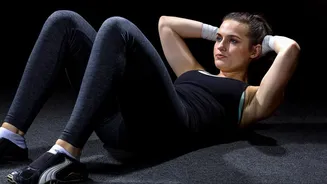
the core, including the abdomen, lower back, hips, and glutes. The exercises, whether performed on a mat or specialized equipment like the Reformer, are precise and deliberate. Unlike workouts that prioritize speed and high repetitions, Pilates focuses on the quality of each movement, fostering a deep connection between mind and body to enhance muscular control and overall body awareness.
How Pilates Builds Superior Balance
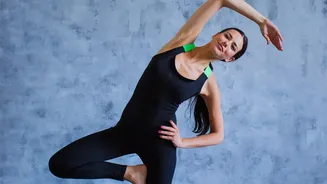
The reason Pilates is so effective for improving balance lies in its focus on core strength and proprioception. A strong, stable core acts as the body's anchor, providing a solid foundation for all movements and improving posture. Beyond just muscle, Pilates trains your proprioception—your body's ability to sense its position in space. The slow, controlled exercises require constant micro-adjustments to maintain stability, which sharpens this internal 'GPS'. This enhanced awareness and core control directly translate to better balance in everyday activities, reducing the risk of falls and injuries.
The Need for Speed: What is Circuit Training?
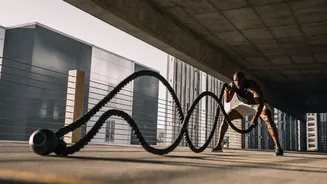
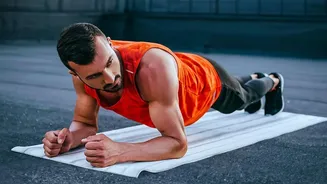
Circuit training is a completely different beast. It involves performing a series of different exercises in succession with minimal rest in between. A typical circuit might include a mix of strength exercises (like push-ups or squats) and cardiovascular movements (like jumping jacks or high knees). The goal is to move quickly from one station to the next, keeping your heart rate elevated for the duration of the workout. This format is incredibly time-efficient, delivering a full-body workout that challenges both your muscles and your cardiovascular system in a short period, often 30 minutes or less.
Why Circuit Training Spikes Your Heart Rate
The near-continuous movement and limited rest periods in circuit training are what make it a powerful cardiovascular workout. By constantly switching between different muscle groups, your heart has to work hard to pump oxygenated blood throughout the body, causing your heart rate to spike and remain high. This high intensity not only burns a significant number of calories during the session but also leads to a phenomenon known as Excess Post-exercise Oxygen Consumption (EPOC), or the 'afterburn effect'. This means your metabolism stays elevated for hours after you've finished exercising as your body works to recover and return to its resting state.
Two Sides of the Same Fitness Coin
While Pilates and circuit training sit at opposite ends of the intensity spectrum, they are not mutually exclusive. In fact, they complement each other perfectly. The core strength, stability, and body awareness gained from Pilates can improve your form and reduce the risk of injury during high-impact circuit training. Conversely, adding circuit training to your routine provides the high-intensity cardiovascular conditioning that Pilates generally lacks. Alternating between the two can create a well-rounded fitness plan that addresses strength, stability, flexibility, and heart health.
Which Path Should You Choose?
The best choice ultimately depends on your personal fitness goals. If your primary aim is to improve posture, gain core strength, enhance stability, and develop a better mind-body connection, Pilates is an excellent choice. It's particularly beneficial for injury rehabilitation and for building a solid foundation for other physical activities. If your goals are more geared towards cardiovascular health, significant calorie burn, and overall endurance in a time-efficient manner, then circuit training is likely the better fit. Understanding what each discipline offers is the first step to building a routine that works for you.