





Understanding the Spectacle
At its heart, Durga Puja celebrates the victory of Goddess Durga over the demon Mahishasura, a classic tale of good triumphing over evil. But in Kolkata, it transcends religious ritual to become an unparalleled public art exhibition and a city-wide celebration
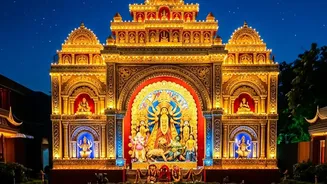
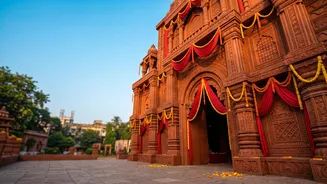
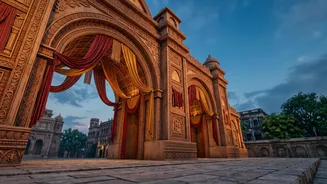
of creativity, community, and culture. Neighbourhoods across the city erect elaborate temporary structures called 'pandals', which house meticulously crafted idols of the goddess. These pandals are not just simple tents; they are architectural marvels and thematic art installations, often taking months to build and ranging in theme from replicas of historical monuments to commentaries on social issues. This unique blend of devotion and public art is so significant that UNESCO recognised it as an Intangible Cultural Heritage of Humanity in 2021.
Pandal Hopping: North vs. South
The core activity of Puja is 'pandal hopping', which is essentially a grand tour of these installations. The key to a manageable experience is to understand the city's geographical divide. North Kolkata is the cradle of the tradition, known for its heritage 'Bonedi Bari' (old family) pujas and more traditional idols at pandals like Bagbazar Sarbojanin and Kumartuli Park. The atmosphere here is steeped in nostalgia and history. South Kolkata, in contrast, is the hub of contemporary, theme-based pandals. Here, you'll find massive, innovative installations at places like Ekdalia Evergreen, Suruchi Sangha, and Chetla Agrani, which often draw the largest crowds for their artistic grandeur. A smart first-timer's rule is to stick to one zone per evening; trying to cross the city on a peak night is a recipe for getting stuck in traffic.
Decoding the Main Days
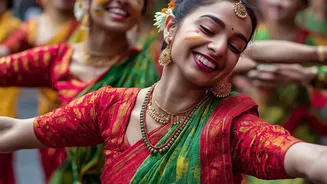
While festivities begin earlier, the main celebration spans five days. Maha Shashthi is when the pandals are officially inaugurated and the goddess's face is unveiled. Maha Saptami sees the performance of key rituals like the 'Nabapatrika' or 'Kola Bou Snaan'. Maha Ashtami is often the busiest day, marked by the morning 'Pushpanjali' (flower offering), a key devotional event for many. The transition from Ashtami to Maha Navami is when the crucial Sandhi Puja takes place, an intense ceremony with 108 lamps. The festival culminates on Vijaya Dashami, an emotional day featuring 'Sindoor Khela', where married women playfully smear vermilion on each other, followed by the immersion (visarjan) of the idols in the river.
A Feast for the Senses
Durga Puja is as much a culinary festival as a religious one. The streets come alive with food stalls selling Kolkata's famous snacks. Don't leave without trying phuchka (a tangy, spicy water-filled sphere), kathi rolls (parathas wrapped around fillings), and fish fry. For a more traditional experience, try to have 'bhog' at a community pandal—a sacred food offering, usually khichuri and mixed vegetables, served to all. Restaurants also offer special Puja menus, featuring delicacies like Kosha Mangsho (slow-cooked mutton) and Daab Chingri (prawns cooked in coconut). And of course, no meal is complete without Bengali sweets (mishti), from rosogolla to mishti doi.
Navigating the City of Joy
Getting around Kolkata during Puja requires planning. The Kolkata Metro is your best friend; it runs extended, often all-night services on the main Puja days and is the most efficient way to travel between North and South Kolkata. Roads will be extremely crowded, and many are subject to traffic restrictions or become pedestrian-only in the evenings. While ride-hailing apps and taxis are available, expect surge pricing and long waits. A practical strategy is to use the Metro to get to a specific area and then explore the nearby pandals on foot. Special Puja bus services and even festive trams also operate on select routes. Above all, wear your most comfortable shoes—you'll be doing a lot of walking.
Essential First-Timer Tips
To make the most of your trip, keep a few things in mind. The biggest crowds gather in the evenings, especially on Ashtami. For a more relaxed experience at famous pandals, try visiting in the afternoon or very late at night. Always carry a power bank for your phone, stay hydrated, and be mindful of your belongings in crowded areas. When it comes to etiquette, be respectful. Ask for permission before photographing worshippers, and remove your shoes where you see others have done so, especially before entering a pandal's inner sanctum. If offered bhog, it is polite to accept it. Embrace the festive spirit—the crowds and energy are all part of the unforgettable experience.