






The Ultimate Cinematic Vision
When a new Christopher Nolan film is announced, the world doesn't just ask what it's about; cinephiles ask how it was made. Nolan is one of the last great purists in Hollywood, a fierce advocate for practical effects and the tangible magic of celluloid
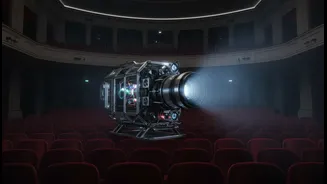
film in a digital world. With 'The Odyssey', set for a July 2026 release, he has taken this obsession to its logical conclusion. The movie is the first feature in history to be shot entirely using IMAX 15/70mm film cameras. This wasn't easy. The team had to innovate new camera housing systems to finally solve the infamous noise issue that made filming dialogue scenes on loud IMAX cameras nearly impossible before. The result is an unbroken, monumental visual experience from the first frame to the last, exactly as the director envisioned it.
More Than Just A Big Screen
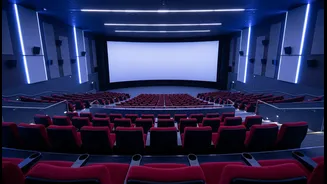
So, what exactly makes IMAX 15/70mm the undisputed king of cinema formats? The name itself tells the story. The film strip is 70mm wide, but unlike standard 70mm, the image runs horizontally across the film, using a massive 15 perforations (the holes on the side of the film) for a single frame. This creates a negative that is almost nine times larger than a standard 35mm frame. When projected, this translates to an image of breathtaking clarity and detail, with an estimated resolution equivalent of 16K to 18K. It also allows for a unique, almost square 1.43:1 aspect ratio that fills your entire field of vision on a true IMAX screen, which can be as tall as an eight-story building. It’s the highest quality imaging format ever devised, creating a level of immersion that digital projection, for all its advances, still struggles to replicate.
The Elite 41
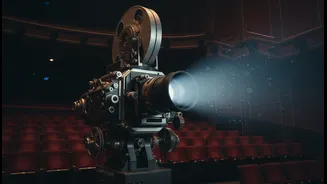
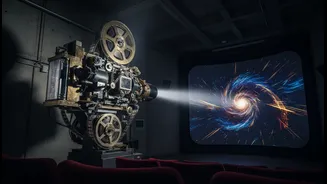
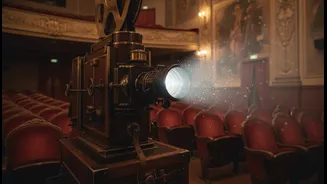
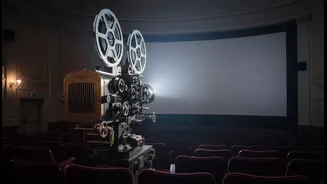
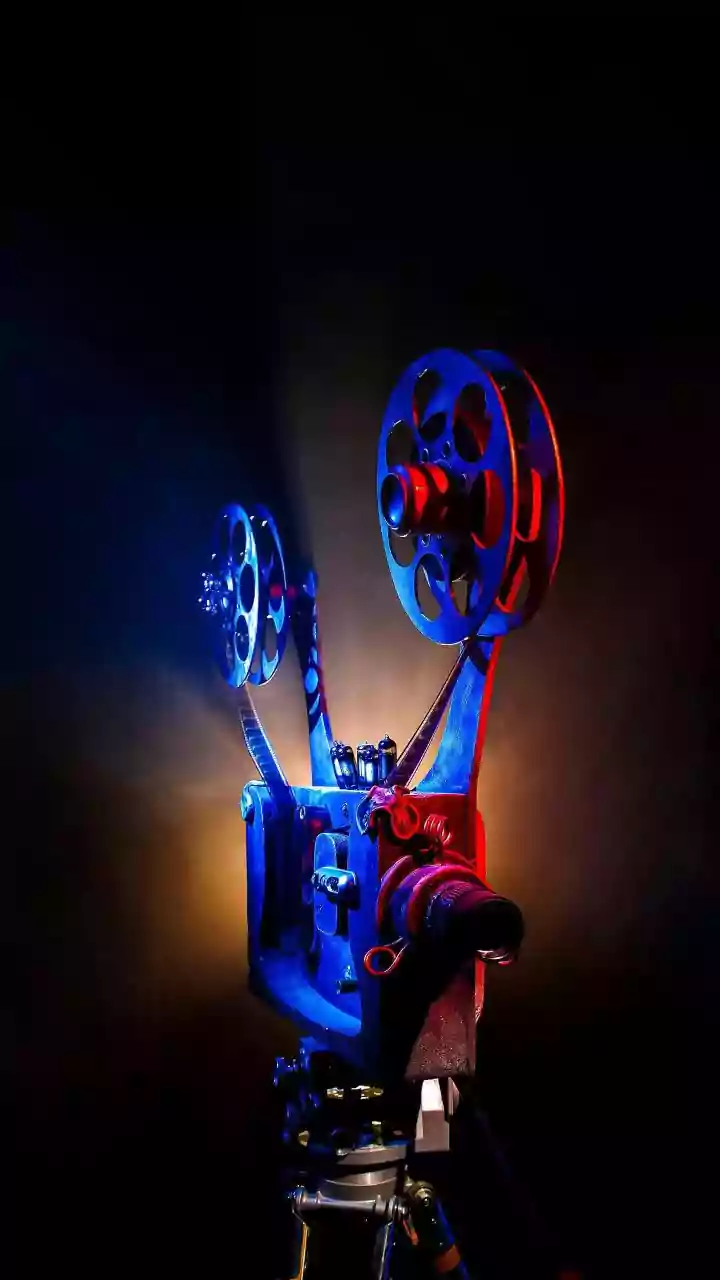
The headline is not an exaggeration. As of July 2026, there are only 41 theatres on the entire planet that possess the equipment to project 'The Odyssey' in its native 15/70mm format. This exclusivity isn't a marketing gimmick; it's a matter of technological scarcity. No new IMAX film projectors have been manufactured in nearly 50 years. The projectors in use today are refurbished vintage machines, painstakingly restored and maintained by a small group of specialists. For Nolan's 'Oppenheimer', there were only 30 such venues. The number grew to 41 for 'The Odyssey' after IMAX hunted down and rebuilt older units to meet the soaring demand, training around 60 new projectionists in the nearly lost art of handling the massive film platters. This tiny list of theatres, mostly in North America and Europe, represents the pinnacle of the movie-going experience.
A Disappointment For Indian Fans
For the millions of Nolan fans in India, here comes the difficult news: not a single one of these 41 cinemas is located in the country. This means that watching 'The Odyssey' in its true, intended IMAX 70mm film format will not be possible without international travel. India once had the capability. The iconic Prasad's large-format screen in Hyderabad was originally a true 70mm IMAX theatre, but it was converted to digital years ago due to the high operating costs and the scarcity of film prints. Another 70mm screen exists at the Gujarat Science City, but it is a non-commercial venue used for educational documentaries, not blockbuster films. The logistical and financial challenges of importing and running the delicate, expensive film prints have so far kept theatre chains from reinvesting in the technology here.
Your Next Best Seat In India
While the purest experience may be out of reach, don't despair. 'The Odyssey' is a film designed to be a spectacle in any format. Nolan and his team meticulously prepare versions for all types of theatres. For Indian audiences, the best alternative will be IMAX with Laser. This is a digital format, but it's the highest-end version of digital IMAX. It uses a 4K laser projection system to deliver a brighter image, higher contrast, and a wider range of colours than older xenon-based projectors. Many of these screens in India, such as those at PVR in major metros, support the 1.43:1 aspect ratio, meaning you'll still get to see the full, towering picture. Beyond IMAX, other Premium Large Formats (PLFs) like PVR's P[XL] or Dolby Cinemas will also offer a significantly enhanced experience over a standard screening, with massive screens and powerful sound systems.