





The Secret to a Happy Compost Pile
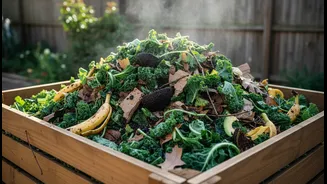
Successful composting isn’t magic; it’s a science, but a simple one. It hinges on balancing two key ingredients: 'greens' and 'browns'. 'Greens' are nitrogen-rich materials, typically wet and fresh, like your kitchen vegetable scraps, coffee grounds,
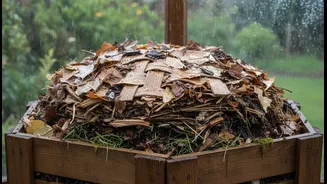
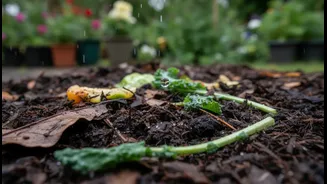
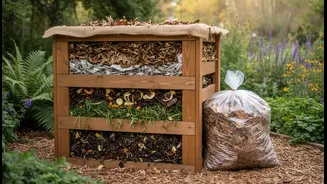
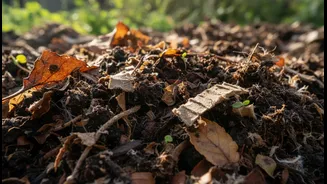
and fresh grass clippings. They provide the protein and amino acids that composting microbes need to multiply and work their magic. 'Browns', on the other hand, are carbon-rich materials. Think of things that are dry, woody, or fibrous: dried leaves, shredded cardboard, paper, twigs, and straw. These materials are the energy source, or fuel, for the microscopic workforce breaking down your waste. The ideal ratio is about two to three parts brown material for every one part green material by volume. Getting this balance right is the single most important factor for a fast, hot, and odor-free compost pile.
Why Your Compost Bin Smells
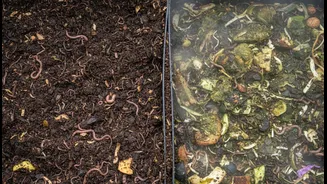
If you've ever been met with a foul, ammonia-like odor or a rotten egg smell from your compost, you've experienced what happens when the balance is off. This almost always means you have too many 'greens' and not enough 'browns'. When nitrogen-rich kitchen scraps are piled up without a carbon source to balance them, they become a dense, wet mat. The microbes can't get enough oxygen to work properly, and the pile turns anaerobic, meaning it decomposes without air. This process releases smelly gases like ammonia and hydrogen sulfide. It’s a common problem because many of us use a kitchen caddy to collect food waste and dump it into the outdoor bin without a second thought. This creates a nitrogen bomb that leads to a slimy, stinky pile that attracts pests.
The 'Browns on Demand' Method
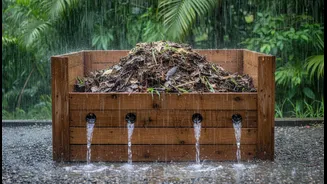
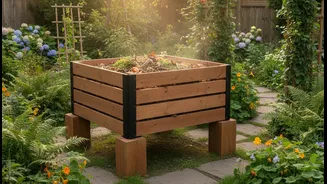
This is where the headline's advice comes in. By keeping a covered sack of 'browns' right next to your compost bin, you create an easy, foolproof system. Every time you add a bucket of 'greens' from your kitchen, you simply grab two or three handfuls of 'browns' and toss them on top. This practice, sometimes called lasagna-style layering, immediately balances the chemistry of your pile. The dry, bulky brown material adds carbon, soaks up excess moisture, and creates air pockets that allow oxygen to circulate. This prevents the pile from compacting and turning anaerobic. It turns what could be a smelly chore into a simple, two-step habit: dump greens, add browns. This consistent layering ensures the microbes always have the balanced diet they need to work efficiently, breaking down waste quickly and without unpleasant odors.
Your Ultimate 'Browns' Shopping List
The best part about 'browns' is that they are often free and abundant. You don't need to buy special materials. Autumn is a great time to gather and store a large supply of dried leaves. Throughout the year, you can collect other valuable carbon sources from right inside your home. Non-glossy cardboard from packaging and delivery boxes is a fantastic brown material; just tear it into smaller pieces. Shredded newspaper, junk mail, paper towel rolls, and cardboard egg cartons are also perfect additions. If you have a garden, dried grass clippings, straw, and small twigs work well. Even sawdust from untreated wood can be used, though it is very high in carbon and should be used more sparingly. The key is to have a diverse mix if possible, but any of these materials will do the job.
The Rewards of Balanced Composting
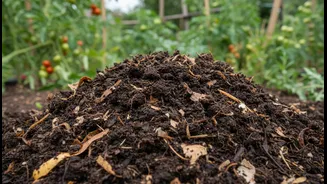
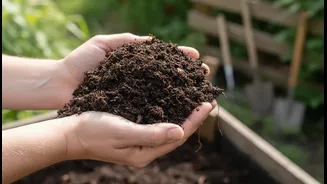
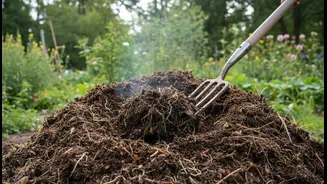
The payoff for this simple habit goes far beyond just avoiding a smelly bin. Within a few months, you’ll be rewarded with a batch of dark, crumbly, sweet-smelling finished compost. Often called 'black gold' by gardeners, this material is one of the best soil amendments you can get. Adding compost to your garden beds has numerous benefits. It improves the structure of any soil type, helping heavy clay soil drain better and enabling sandy soil to retain more water. This nutrient-rich humus feeds your plants slowly and steadily, unlike synthetic fertilizers. It also introduces a vibrant ecosystem of beneficial microorganisms that help suppress plant diseases and pests, creating healthier, more resilient plants and boosting your garden's overall yield.