






When we picture a glacial flood, we often imagine a massive lake bursting its banks. But recent scientific understanding shows this is a dangerously incomplete picture. The real threat is far more complex and can originate from within the ice itself.
The Familiar Threat: A Bursting Lake
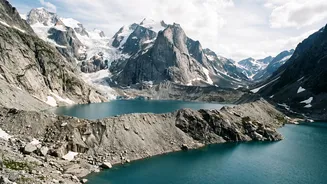
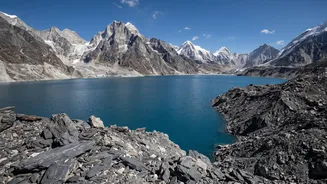
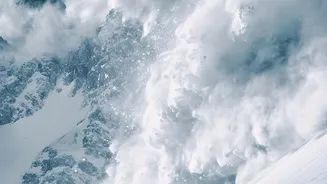
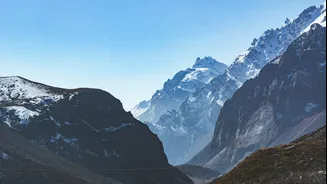
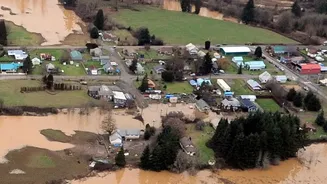
For decades, the primary concern for communities downstream of glaciers has been the Glacial Lake Outburst Flood, or GLOF. This catastrophic event happens when a lake formed by melting glacier ice breaches its natural dam, which can be made of ice or moraine—a ridge of rock and debris left by a retreating glacier. Triggers can be anything from a rockfall or avalanche crashing into the lake, causing a massive wave that overtops the dam, to the simple buildup of water pressure. These events are devastating, releasing immense volumes of water, sediment, and debris that can destroy villages, roads, and critical infrastructure like hydropower plants far downstream. The Hindu Kush Himalaya region, home to thousands of such lakes, is a global hotspot for this hazard, with studies showing millions of people in India, Nepal, and Pakistan are at risk.
A More Complex Reality Emerges
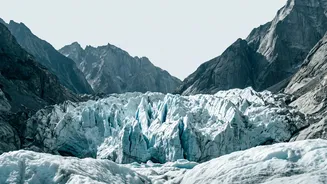
The focus on GLOFs, while critical, has overshadowed other ways glaciers can unleash disastrous floods. New research highlights that floodwaters don't only come from lakes sitting at the edge of a glacier. Water can be stored on top of the glacier (supraglacial), inside it (englacial), and underneath it (subglacial). Each of these storage systems presents a unique flood risk that is often harder to detect and predict than a visible, expanding lake. Floods can be initiated by the sudden drainage of water-filled conduits and caves within the glacier itself, sometimes with no obvious surface-level warning signs. This means our understanding of glacial hazards, and the systems designed to monitor them, has been too narrow.
Beyond the Lake: Other Flood Triggers
The mechanisms for these other types of floods are varied. Supraglacial lakes, which are pools of meltwater on the glacier's surface, can drain suddenly when they connect with the glacier's internal plumbing—a network of channels and shafts called moulins. This can cause a rapid surge of water to emerge from the glacier's snout. Englacial floods occur when these internal water pockets or conduits, held back by ice, suddenly burst under pressure, releasing floods that can emerge directly from the body of the glacier. Subglacial floods happen when water trapped between the base of the glacier and the bedrock beneath is released, sometimes because the water pressure becomes high enough to physically lift the edge of the ice dam. While often smaller than the largest GLOFs, these floods can still cause significant damage and happen more frequently, posing a persistent threat.
Why This Changes Everything for India
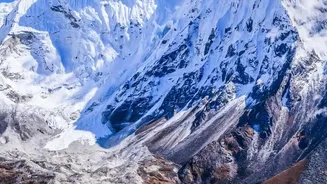
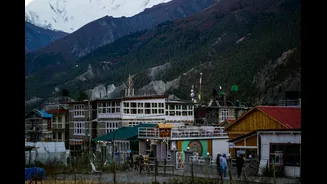
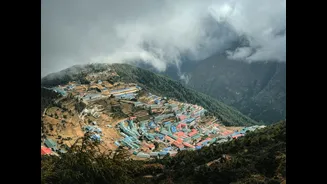
This expanded understanding of glacial floods is especially critical for India. The Himalayas are warming rapidly, causing glaciers to retreat and melt at an accelerated rate. This has led to the formation of dozens of new glacial lakes and the expansion of existing ones in recent decades, particularly in states like Uttarakhand and Sikkim. Recent disasters, like the 2021 Melamchi flood in Nepal and the 2023 South Lhonak GLOF in Sikkim, serve as tragic reminders of the region's vulnerability. A recent study found that nearly 300,000 people across the Himalayan region live in areas potentially exposed to these floods. If risk assessments and early warning systems focus only on moraine-dammed lakes, they risk missing these other, less obvious threats. A flood originating from within or under a glacier may not be picked up by systems designed to monitor lake levels, leaving downstream communities with little to no warning.