






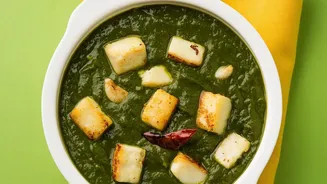


What is Analogue Paneer?
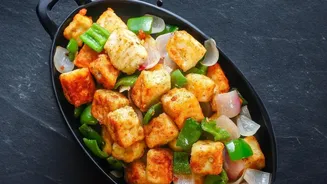
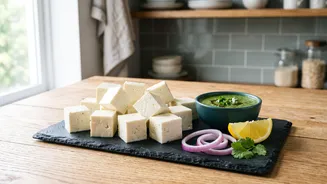
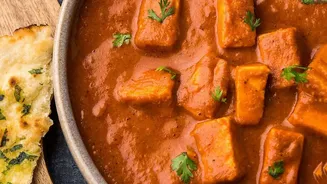
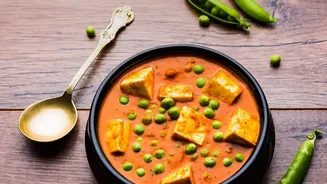
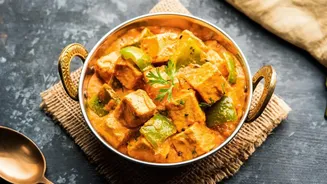
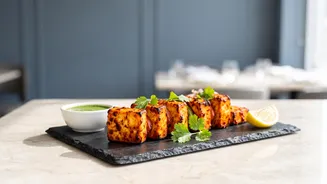
Traditional paneer is a fresh, non-aged cheese made by curdling milk with a food acid like lemon juice or vinegar. It’s a staple in Indian cuisine, rich in protein and calcium. Analogue paneer, on the other hand, is a substitute designed to look and feel
like the real thing. Instead of being made entirely from milk, its milk fats and proteins are partially or wholly replaced with other ingredients, most commonly vegetable oils (like palm oil), starches, and plant proteins. While not inherently illegal if labelled correctly, these products are often cheaper to produce and have a different nutritional profile, typically lower in protein and higher in carbohydrates and unhealthy fats.
Why FSSAI Is Stepping In
The core problem is one of deception. Consumers often buy these analogue products thinking they are purchasing traditional, milk-based paneer. This is especially difficult to spot when eating at restaurants or buying food from caterers, as the original packaging isn't visible. The FSSAI's move is aimed at protecting consumers from being misled about the nature and composition of their food. The issue also affects honest dairy producers, whose authentic, higher-cost products face unfair competition from cheaper substitutes masquerading as the real thing. Several states, including Maharashtra, Gujarat, and Chhattisgarh, have already taken action against the sale of improperly labelled analogue paneer, highlighting the growing scale of the problem.
The Proposed Labelling Rules
The Food Safety and Standards Authority of India has issued a draft amendment to the Food Safety and Standards (Prohibition and Restrictions on Sales) Regulations, 2011. The central proposal is to restrict the use of the term "paneer" exclusively for products made from milk. Any product made with non-dairy constituents would be prohibited from using "paneer" in its name, labelling, or marketing. This means that items currently sold under the 'Analogue in Dairy Context' category would need to be rebranded. For instance, instead of 'paneer', they might have to be labelled as a "vegetable fat block" or another term that accurately describes their composition. The rules would apply not only to packaged goods but also to restaurants and food services, which would have to disclose the use of substitutes on their menus.
Impact on Consumers and Industry
For consumers, the primary benefit is transparency. Clearer labels will allow people to make informed decisions about the food they buy and eat, knowing whether they are getting a milk-based product or a vegetable fat-based substitute. This empowers buyers to choose based on nutritional preference, dietary needs, and budget. For the industry, the changes will require significant adjustments. Manufacturers of analogue products will need to overhaul their branding and packaging, which involves costs. However, it levels the playing field for traditional dairy farmers and producers who invest in making authentic paneer. The draft regulation is currently open for public and stakeholder feedback for 60 days before being finalised, allowing the industry to voice concerns and prepare for the transition.
Part of a Broader Push for Transparency
This proposed regulation for paneer is not happening in isolation. It's part of a wider effort by FSSAI to tighten food labelling standards in India to enhance consumer awareness and safety. Recently, the regulator has also been working on implementing mandatory Front-of-Pack Nutrition Labelling (FoPL). This system would require prominent warning labels, such as a red hexagon, on products high in salt, sugar, or fat. The Supreme Court has been involved in reviewing these broader labelling proposals. Together, these initiatives signal a significant regulatory shift towards holding food producers accountable and ensuring that consumers have clear, honest, and easy-to-understand information about the food they consume.