


The 2027 Milestone: What to Expect
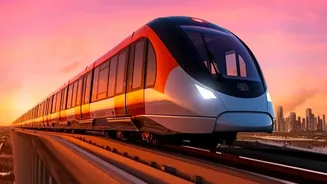
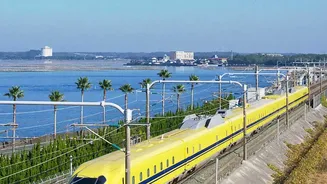
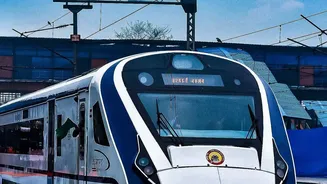
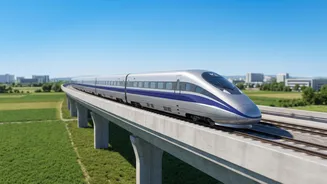
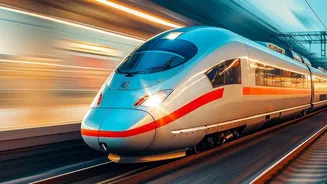
According to Railway Minister Ashwini Vaishnaw, the first trial runs for India's bullet train are expected to begin by May or June 2027. These initial tests will not cover the entire 508-kilometre route but will focus on a significant portion within Gujarat,
likely between Surat and Bilimora or Vapi, where construction is most advanced. These trials are critical for validating the performance of the trainsets, tracks, and signalling systems under real-world conditions. After a testing period of two to four months, the first section of the corridor is expected to be inaugurated and opened for commercial service. This phased approach allows the National High Speed Rail Corporation Limited (NHSRCL) to iron out any issues and ensure the highest safety standards before the full line becomes operational.
A Project Forging Ahead
The journey to this point has been a monumental undertaking in engineering and logistics. Work on the Mumbai-Ahmedabad High-Speed Rail (MAHSR) corridor is progressing rapidly. As of mid-2026, a significant portion of the civil works, especially in Gujarat, has been completed. This includes the erection of hundreds of kilometres of piers and the launching of viaduct girders that form the elevated track. All land acquisition for the project is complete, overcoming one of the most significant early hurdles that caused delays, particularly in Maharashtra. Construction is now in full swing across both states, with work on stations, river bridges, and tunnels making steady headway. For instance, foundation work has been completed at eight stations in Gujarat, and work is active at three key stations in Maharashtra.
Shinkansen Technology Meets Make in India
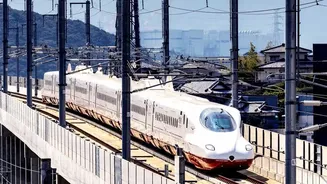
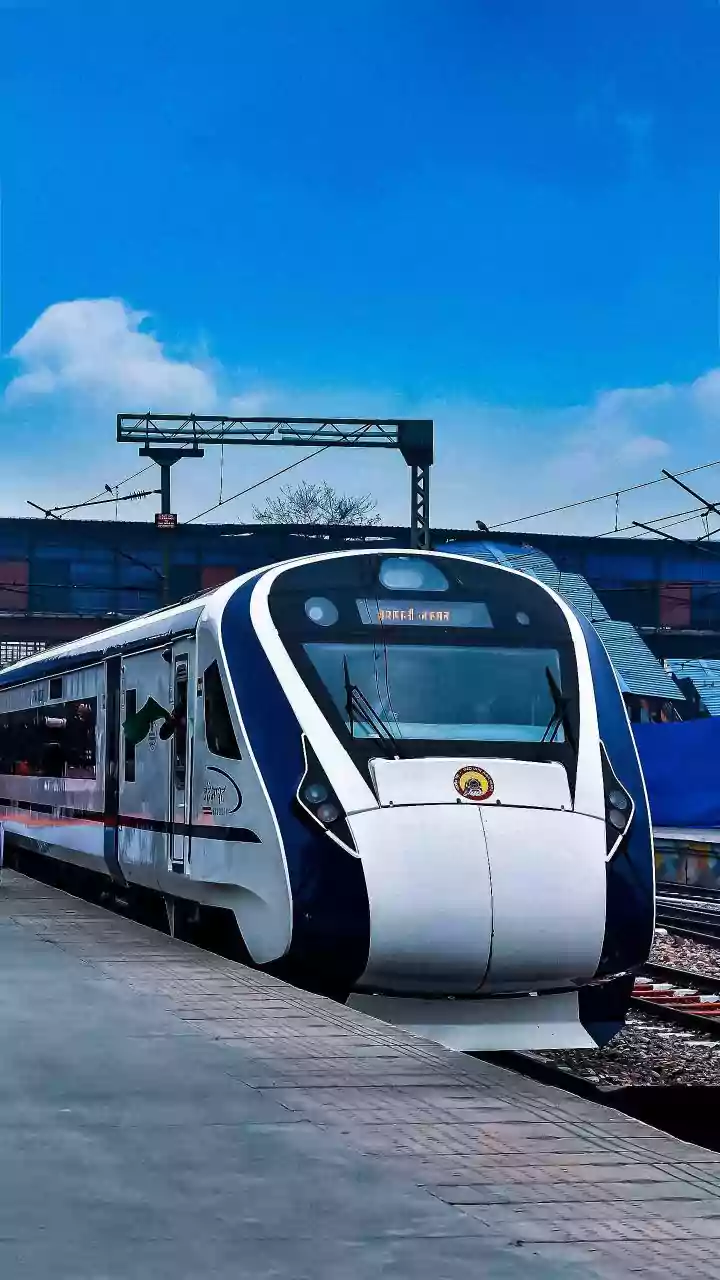
The backbone of the project is Japan's renowned Shinkansen technology, known globally for its exceptional safety record and punctuality. The project involves extensive technical cooperation with Japan, from the design of the corridor to the advanced signalling systems. However, the initiative is also a major boost for the 'Make in India' programme. While the technology is Japanese, the manufacturing and assembly are being increasingly localised. The trainsets themselves, designed to reach operational speeds of 320 km/h, are being developed indigenously. The first prototype of an Indian-made bullet train is expected to be ready by early 2027 for the rigorous testing phase. This blend of proven international technology and domestic manufacturing capability is creating a blueprint for future high-speed rail projects across the country.
More Than Just a Fast Train
When fully complete, the bullet train is expected to reduce travel time between Mumbai and Ahmedabad to just under two hours for the fastest service, a dramatic reduction from the current seven to eight hours by conventional rail. But the impact goes far beyond speed. The corridor is anticipated to be a powerful engine for economic growth, fostering development in the cities and towns along its route. The project has already created thousands of jobs during the construction phase and is expected to generate more employment in operations and maintenance. Furthermore, by providing a fast, reliable, and greener alternative to air and road travel, the bullet train will enhance connectivity between two of India's most important economic hubs, potentially boosting business, trade, and tourism across the region.