




What Are Antioxidants, Anyway?
Think of antioxidants as your body's cellular protectors. Day-to-day living, from converting food into energy to being exposed to sunlight, creates unstable molecules called free radicals. These molecules can cause damage to cells, DNA, and proteins in a process
called oxidative stress. Antioxidants are compounds that can neutralize these free radicals, essentially protecting cells from this damage. Your body produces its own antioxidants, but you also get them from food. This protective role is why they became famous in the 1990s when scientists linked oxidative stress to chronic conditions like heart disease and cancer. The idea was simple: if free radicals contribute to disease, then antioxidants must help prevent it. This sparked a global fascination that the food and supplement industries were quick to capitalize on.
The Myth: A Supplement Can Do the Job
Given the link between oxidative stress and disease, the logical next step seemed to be packing antioxidants into pills. The promise was alluring: all the protective benefits without having to eat kilos of broccoli. However, large-scale clinical trials testing high-dose antioxidant supplements—like beta-carotene and vitamin E—have been largely disappointing. Not only did they often fail to prevent heart disease or cancer, but some studies showed they could even be harmful. For example, some trials found high doses of beta-carotene increased the risk of lung cancer in smokers. Research now suggests that bombarding the body with isolated, high-dose antioxidants can disrupt the body's natural balance, interfere with how our cells adapt to exercise, and even act as 'pro-oxidants', causing the very damage they are meant to prevent.
The Reality: Whole Foods Are the Real Heroes
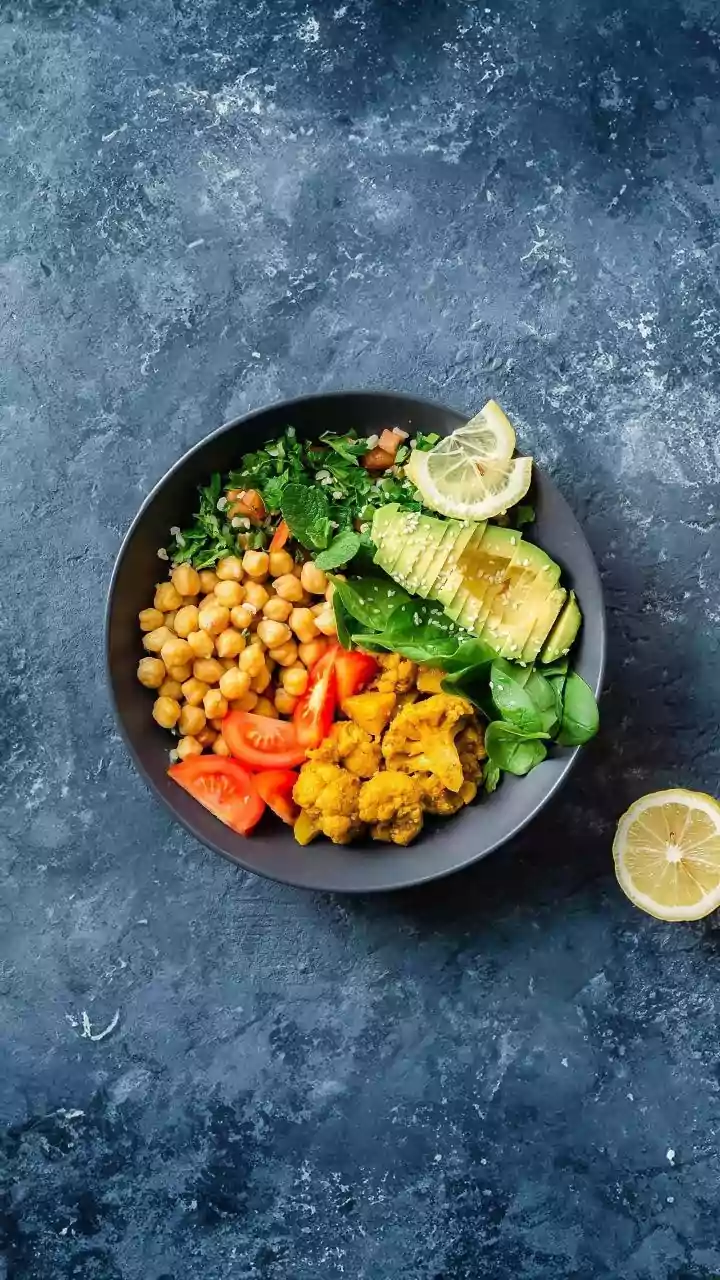
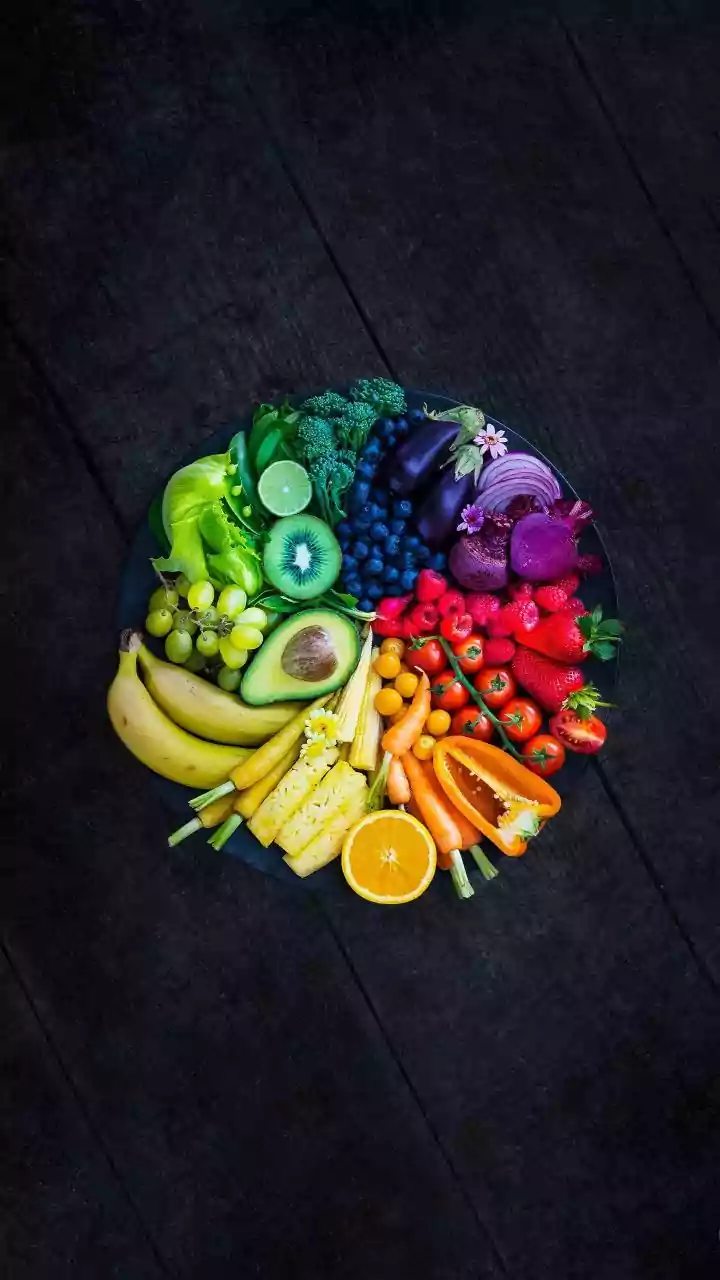
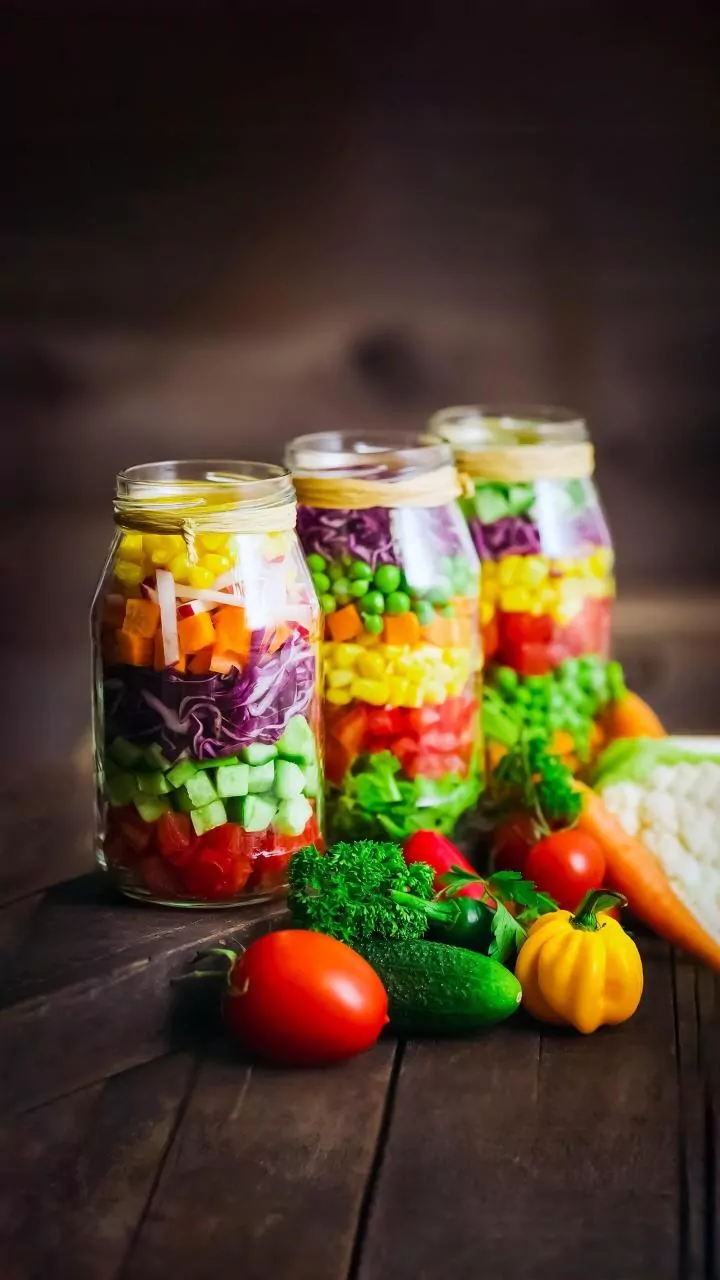
So why do diets rich in antioxidant-packed foods consistently link to better health? The secret isn't in one single compound but in the entire package. An orange, for instance, provides vitamin C, but it also delivers fibre, flavonoids, water, and hundreds of other compounds that work together. This is what scientists call food synergy. The benefits observed in people who eat lots of fruits and vegetables likely come from this complex interplay of nutrients, not just an isolated antioxidant. In India, a traditional diet is naturally rich in such foods. Think of turmeric with its curcumin, amla's high vitamin C content, the lycopene in tomatoes, and the flavonoids in tea and spices like cloves and cinnamon. Focusing on a colourful plate with plenty of dals, greens, and seasonal fruits is the most evidence-backed way to get these protective benefits.
Reading Between the Lines of Labels
In India, the Food Safety and Standards Authority of India (FSSAI) has regulations around health claims. Generally, products are not allowed to claim they can prevent, treat, or cure a disease. Instead of being swayed by vague promises of "high antioxidant activity," look for more specific, regulated nutrient claims like "a good source of Vitamin C." A food can only claim to be a "high" source of a nutrient if it contains a significant amount of the recommended daily allowance. The key is to see these foods as part of an overall healthy lifestyle, not as a magic bullet. Regulations state that advertisements should not undermine the importance of a healthy lifestyle or suggest that a varied diet can't provide enough nutrients. This reinforces the core message: a balanced diet is the foundation of good health.