

A Traveller’s Tale
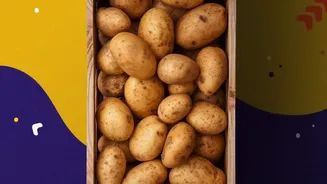
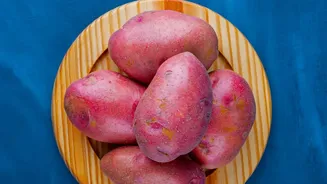
The potato’s story didn't begin in India. Originating in the Andes mountains of South America, it travelled to Europe with Spanish explorers before Portuguese traders introduced it to India in the 17th century, calling it ‘batata’. Initially cultivated
along the western coast, British colonists later promoted its farming across the country in the 19th century, recognizing its potential as a high-yield crop. What started as a foreign vegetable soon became deeply integrated into our culinary identity, finding a home in everything from royal banquets in Ajmer as early as 1675 to the everyday meals of millions.
The All-Purpose Mash
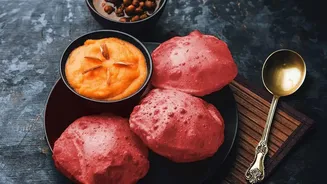
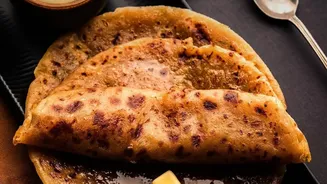
While the headline mentions mash, a Western comfort classic, the concept of mashing potatoes is universal in India. We may not eat it with a fork from a bowl, but mashed potato is the secret soul of many beloved dishes. It’s the soft, spiced filling inside a crisp dosa, the hearty stuffing in an Aloo Paratha, and the foundational element of the street food star, Vada Pav. This illustrates the potato's unique ability to adapt; it provides a creamy, absorbent texture that pairs perfectly with the bold flavours of Indian spices, whether it’s mixed with mustard seeds for a dosa filling or with ginger and green chillies for a paratha.
Glorious, Rich Gravy
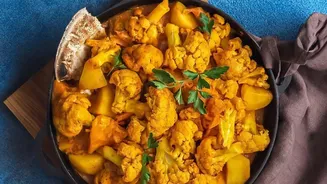
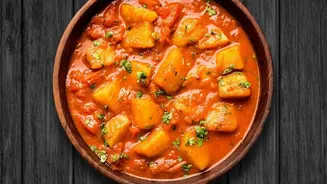
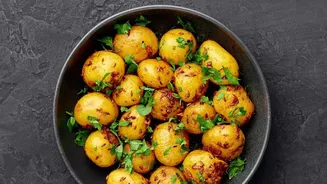
Few things are as satisfying as potatoes swimming in a thick, aromatic gravy. Dum Aloo is perhaps the most celebrated example, a dish with roots in Kashmiri Pandit cuisine. In this slow-cooked preparation, small potatoes are fried and then simmered in a flavourful gravy, which varies by region. The Kashmiri version is famously rich with yoghurt and spices like fennel and ginger powder, while the Bengali ‘Aloor Dum’ uses mustard oil and a different spice profile. Beyond this classic, there's the simple comfort of Aloo Matar, where potatoes and peas unite in a tomato-based curry, proving that potatoes are the perfect vehicle for carrying the essence of our most beloved masalas.
The Ultimate Crispy Fritter
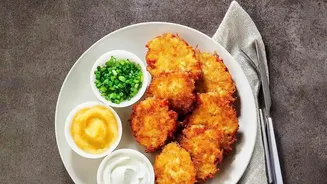
When it comes to fritters, the aloo is unmatched. Aloo Tikki is the undisputed champion of North Indian street food, a crispy, pan-fried potato patty with a soft interior. Its history is traced back to the Mughal era, evolving into the chaat staple we love today, often topped with yoghurt, tamarind chutney, and crunchy sev. But the fritter family is vast. There’s the Aloo Bonda from the South, a spiced potato ball dipped in gram flour batter and deep-fried to golden perfection. And let’s not forget the simple joy of aloo pakoras on a rainy day. In every form, the potato delivers that irresistible contrast of a crunchy exterior and a fluffy, flavourful inside.
Beyond the Obvious
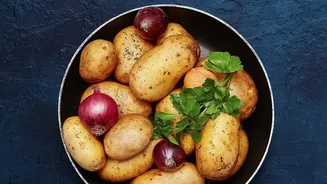
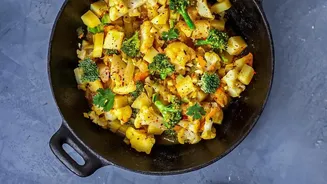
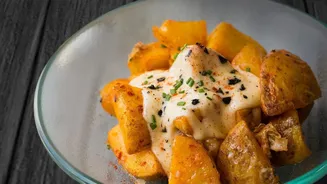
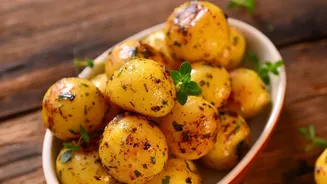
The potato’s versatility extends far beyond these three forms. It can be simply stir-fried with cumin seeds for a quick and comforting Jeera Aloo. It’s cubed and tossed with spices and chutneys to make Aloo Chaat. It’s the primary ingredient in the world’s favourite snack, the potato chip, and a key component in the ever-popular Samosa. Its ability to be roasted, fried, boiled, steamed, and curried makes it an indispensable part of our food culture, adapting to any role with ease. From a simple side dish to the star of the plate, the potato rarely disappoints.
A Humble Powerhouse
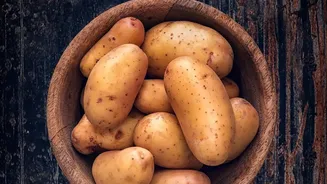
For all its comforting goodness, the potato is also surprisingly nutritious. A medium-sized potato is an excellent source of Vitamin C and contains more potassium than a banana. It’s naturally fat-free, cholesterol-free, and provides energy-rich carbohydrates and dietary fibre, especially when eaten with its skin. While frying or loading it with butter and cheese changes the equation, the potato in its basic form is a wholesome and affordable vegetable that has sustained populations for centuries.