








The Making of a Carbon Sink
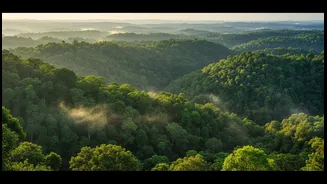
First, let's break down the jargon. A 'carbon sink' is any natural system that absorbs more carbon from the atmosphere than it releases. Think of lush forests, healthy oceans, and rich soil as giant sponges for carbon dioxide (CO2), the primary greenhouse
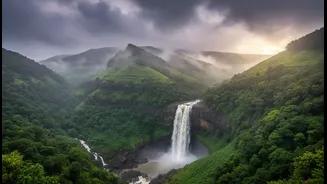
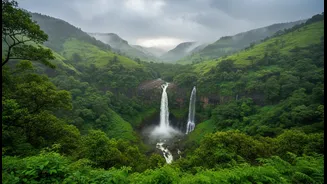
gas driving climate change. Plants, through photosynthesis, inhale CO2 and store the carbon in their trunks, leaves, and roots, effectively locking it away. A recent study from the Indian Institute of Tropical Meteorology (IITM), Pune, suggests the Western Ghats are poised to get much better at this job. Published in the 'International Journal of Climatology', the research projects that the region's ability to absorb CO2 will significantly increase over the next several decades.
The Ghats' Green Superpower
What makes the Western Ghats so special? The answer lies in a combination of factors. The study models a future under a high-emission climate scenario, which, paradoxically, could lead to what scientists call 'CO2 fertilisation'. With more CO2 in the air, plants can photosynthesise more efficiently. This, combined with projected increases in rainfall over parts of India, could supercharge vegetation growth. The IITM study analysed Gross Primary Productivity (GPP)—a measure of CO2 absorption by plants—and found that the Western Ghats, along with the Himalayas and Northeast India, are set for the biggest gains in productivity by 2100. This means the dense, biodiverse forests of the Ghats could work overtime, pulling vast amounts of carbon out of the atmosphere.
A Complicated Blessing
However, the scientists behind the study are quick to add a crucial warning: this is not a 'get out of jail free' card for climate change. While the forests might become better carbon sponges, the very conditions causing this change—higher CO2 levels and rising temperatures—bring immense stress to the ecosystem. Dr. Smrati Gupta, the study's lead author, points out that higher temperatures can suppress plant productivity during warm years by increasing heat and moisture stress. Essentially, while the Ghats may absorb more carbon, they will be doing so in a much harsher and more volatile climate. This increased carbon uptake alone cannot offset the broader ecological damage, such as biodiversity loss and disruptions to water cycles, that climate change will cause.
A Landscape Under Pressure
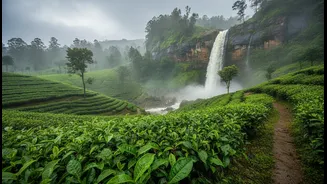
The potential of the Western Ghats to act as a carbon sink is not guaranteed. It faces a formidable list of threats that could easily derail this future. Widespread deforestation, illegal mining, encroachment for agriculture and infrastructure, and the expansion of plantations already threaten the integrity of these ancient forests. The International Union for Conservation of Nature (IUCN) has already flagged the region as being under "significant concern" due to these pressures. These human activities lead to habitat fragmentation, which not only harms wildlife but also weakens the forest's ability to store carbon. Unless these threats are managed, the Ghats' potential as a carbon sink will remain just that—potential.
Protecting Our Climate Ally
Realising the promise of the Western Ghats requires a concerted effort. It means strengthening conservation policies and ensuring their enforcement on the ground. This involves expanding protected areas, cracking down on illegal logging and mining, and promoting sustainable land-use practices. More importantly, it requires ecological restoration—replanting degraded areas with a diverse mix of native species, not just monocultures. Organisations like the Nature Conservation Foundation are already working on the ground, restoring rainforests by planting native saplings and working with local communities. Supporting these efforts and implementing the recommendations of expert panels, like the Gadgil and Kasturirangan Committees, are crucial steps to ensure this vital ecosystem can protect itself, and in doing so, protect us.