

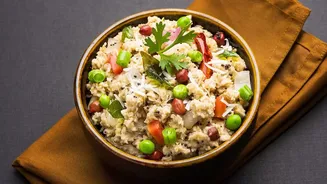

An Ancient Grain for Modern Kitchens
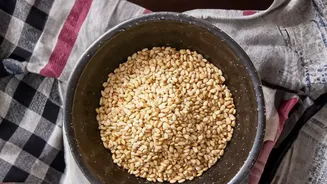
Millets are not a new health trend; they are a cherished part of India's culinary heritage that is being rediscovered. For centuries, grains like jowar (sorghum), bajra (pearl millet), ragi (finger millet), and kangni (foxtail millet) were staples across
the country. These small-seeded grasses were valued for their ability to grow in tough, arid conditions, but today, their appeal lies in their nutritional prowess and surprising versatility in the kitchen. Naturally gluten-free, millets are a fantastic alternative to wheat and a nutrient-dense substitute for polished white rice.
The Quick-Cooking Promise
The biggest advantage for a busy household is speed. Many types of millet cook in just 15 to 25 minutes, comparable to or even faster than brown rice. Foxtail and little millet, in particular, are known for their quick cooking time and rice-like texture, making them ideal for beginners. A simple stovetop method involves simmering one part millet with two parts water or broth for about 15-20 minutes until the liquid is absorbed. For a completely hands-off approach, you can use a pressure cooker (about 10 minutes on high pressure) or a rice cooker on the standard white rice setting.
How to Cook Perfect, Fluffy Millet
Achieving a fluffy, non-gummy texture is easy with a few simple steps. First, always rinse your millet in a fine-mesh strainer to remove any dust or bitterness. For an enhanced nutty flavour, you can toast the rinsed grains in a dry pan for a few minutes until fragrant before adding liquid. The key to fluffy millet is the 1:2 grain-to-liquid ratio. After simmering, let the cooked millet sit, covered and off the heat, for about 5-10 minutes. This allows the grains to steam and separate. Finally, fluff with a fork before serving. For a creamier, porridge-like consistency, simply increase the liquid ratio to 1:3.
More Than Just a Side Dish
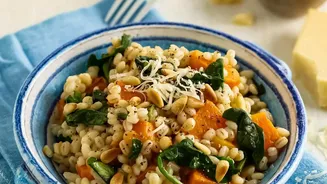
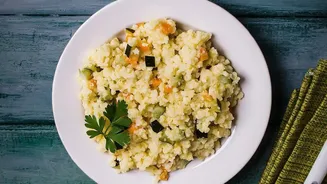
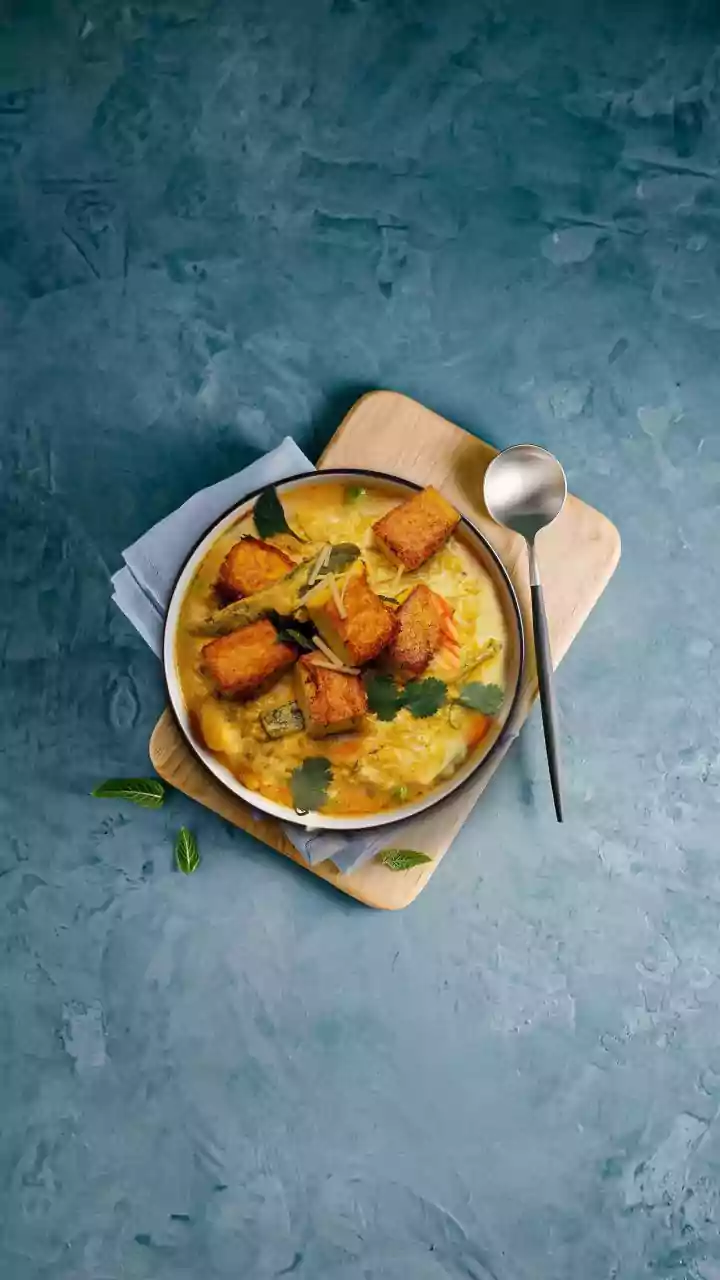
Think beyond serving millet as a simple substitute for rice. Its versatility shines in a variety of Indian dishes you already love. Start your day with a comforting bowl of ragi porridge or make a quick foxtail millet upma loaded with vegetables. For lunch or dinner, use cooked millet as a base for a refreshing salad with cucumber, tomatoes, and a lemon dressing. It can be used to make a hearty one-pot khichdi with dal or a flavourful vegetable pulao. You don't need special recipes; just swap millet into familiar dishes like lemon rice, curd rice, or even biryani for an easy nutritional upgrade.
A Nutritional Powerhouse
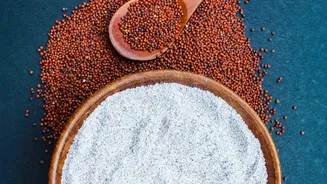
Beyond convenience, millets offer a wealth of health benefits. Compared to white rice, they are significantly higher in protein and dietary fibre. This high fibre content aids digestion and keeps you feeling full longer, which can help with weight management. Different millets boast unique nutritional profiles: ragi is famously rich in calcium, excellent for bone health, while jowar is packed with antioxidants. Being naturally gluten-free and often having a lower glycemic index than white rice, millets are a superb choice for managing blood sugar levels and for those with gluten sensitivities.