





The Problem with Piece-by-Piece Packing
For years, the standard packing advice has been to throw in a collection of your favourite individual garments: a few tops, a couple of pairs of trousers, a skirt, and maybe a dress just in case. This method, however, often leads to the classic traveller’s
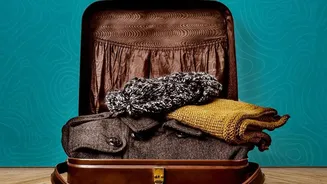
paradox. You’ve hauled a heavy bag across cities only to stand in front of it, completely stumped about what to wear. The issue is that a suitcase full of isolated pieces doesn’t guarantee cohesive outfits. You end up with items that don't quite match, leading to decision fatigue and the feeling of having ‘nothing to wear’. This often results from panic-packing the night before, cramming in extra items for ‘what if’ scenarios that rarely happen. It’s an inefficient system that wastes space, time, and mental energy, leaving you feeling unprepared rather than stylishly equipped for your adventure.
The 'Complete Look' Philosophy
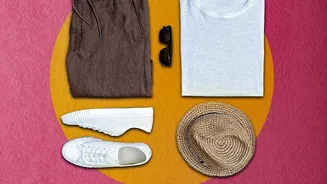
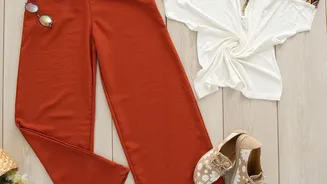
The new formula for stress-free travel is simple: pack in outfits, not in categories. Instead of thinking about shirts, trousers, and skirts separately, you think about complete looks from head to toe. Before a single item goes into your suitcase, you assemble an entire outfit for each day or activity on your itinerary. This might look like a pair of jeans, a turtleneck, a sweater, and socks all grouped together for a day of exploring. This method forces you to confirm that every item has a purpose and works with others. Many travellers accomplish this by laying out every complete look on their bed, ensuring everything coordinates before it gets packed. Some even take photos of each outfit on their phone for easy reference during the trip, eliminating any guesswork when getting dressed.
Key Benefits of Outfit-Based Packing
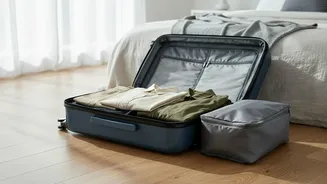
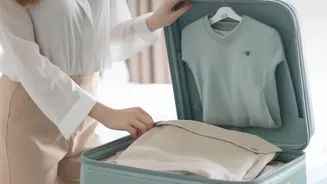
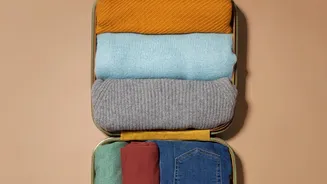
Adopting this strategy has several transformative benefits. Firstly, it drastically reduces stress and decision-making during your trip. With your outfits already planned, you can get dressed quickly and get on with enjoying your destination. Secondly, it is the single most effective way to prevent overpacking. Because every piece has a designated role within a specific outfit, you automatically eliminate the ‘just-in-case’ items that add weight and bulk but are never worn. It also ensures you always look and feel put-together, as every look is pre-vetted. Finally, it saves a significant amount of space. You can bundle or use packing cubes for each complete outfit, keeping your suitcase organised and making it easy to find what you need without rummaging.
How to Build Your Travel Wardrobe
Building a travel wardrobe based on complete looks starts with your itinerary. Check the weather forecast and list the activities you have planned. Then, select a core colour palette—typically two or three neutral colours like black, navy, or beige, plus an accent colour. This ensures that pieces can be mixed and matched. Begin creating outfits around versatile ‘hero’ pieces. For example, a great pair of jeans might be the base for a casual daytime look with a t-shirt and sneakers, and also work for a dinner outfit with a nice blouse and flats. The goal is for every top to coordinate with most of your bottoms. This is where a travel capsule wardrobe formula, like the popular 5-4-3-2-1 method (five tops, four bottoms, three pairs of shoes, two dresses or layers, and one of each accessory), can provide a helpful structure.
The Power of Layers and Accessories
The final touch in mastering this packing formula lies in layering and accessorising. Layers are crucial as they allow you to adapt to changing weather without packing bulky items. A stylish trench coat, a lightweight cardigan, or a classic denim jacket can often be worn over several of your planned outfits, adding warmth and a different dimension to your look. Accessories are your secret weapon for transforming an outfit and making it feel new. A scarf, a belt, or a statement piece of jewellery can change the entire vibe of a simple top and trousers, taking it from day to night with minimal effort and taking up almost no space in your luggage. Choosing one base colour for accessories like shoes and bags, such as black or brown, further enhances the mix-and-match potential of your wardrobe.