
Meet the New Nominees
On October 20, 2026, the Permanent Delegation of India to UNESCO announced the inclusion of three new sites to the World Heritage Tentative List. Two are natural wonders from the Andaman and Nicobar Islands, and one is a cultural marvel from Chhattisgarh.
The sites are: The Sirpur Cultural and Archaeological Landscape in Chhattisgarh, the Karst-mud-volcano Complex of Baratang, and the Andaman Subduction Volcanoes, both located in the Andaman and Nicobar Islands. This move, supported by extensive documentation from the Archaeological Survey of India (ASI), signals a major push to get these unique locations recognized for their global significance.
What is the Tentative List?
Think of the Tentative List as the official waiting room for World Heritage status. Before a country can formally nominate a site for inscription, it must first be included in this inventory. The list is essentially a forecast of the properties a country intends to nominate over the next five to ten years. Getting on this list is a mandatory prerequisite; the World Heritage Committee will not even consider a nomination unless the site has been on the Tentative List for at least a year. It's a critical stage where countries signal their most prized natural and cultural treasures to the world.
Spotlight on Sirpur's Rich History
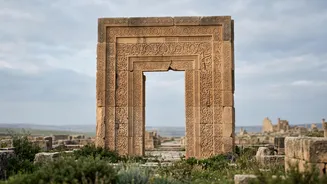
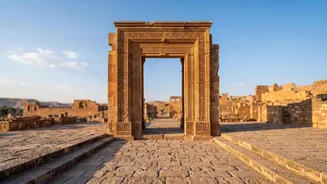
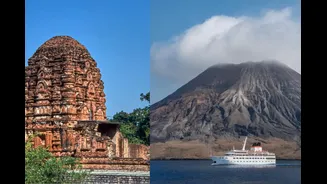
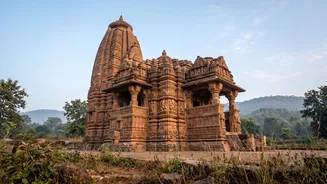
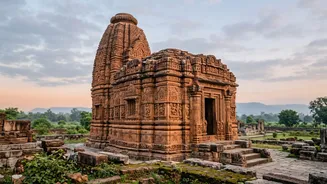
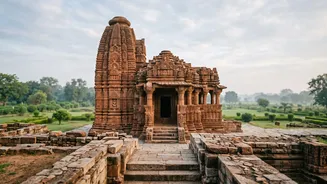
The star of this announcement is the Sirpur Cultural and Archaeological Landscape in Chhattisgarh. Located on the banks of the Mahanadi River, this ancient town, once known as Shripur, was the capital of the Dakshina Kosala kingdom between the 5th and 12th centuries. What makes Sirpur extraordinary is the peaceful coexistence of multiple religious traditions within a single urban fabric. Archaeological evidence reveals an impressive collection of 22 Shiva temples, five Vaishnava temples, 10 Buddhist viharas, and three Jain viharas. This harmonious blend of Hindu, Buddhist, and Jain structures offers a rare glimpse into a period of remarkable religious plurality, supported by a prosperous trade network along the Mahanadi. The site's famous brick-built Lakshmana temple is considered a masterpiece of early Indian temple architecture.
Andaman's Geological Wonders
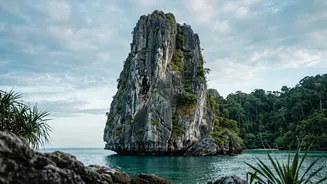
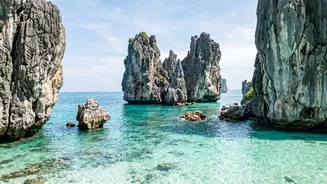
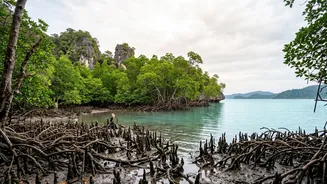
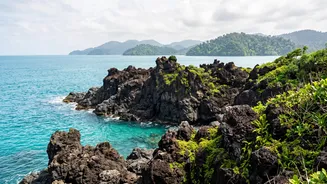
The other two nominees bring India's unique geological heritage to the forefront. The Karst-mud-volcano Complex of Baratang Island features extensive limestone caves and active mud volcanoes, known locally as 'Jalki'. These are not typical volcanoes; instead of lava, they spew a cool slurry of mud, water, and gas, driven by tectonic pressures. The second site, the Andaman Subduction Volcanoes, includes Barren Island and Narcondam Island. Barren Island is home to India's only confirmed active volcano, a powerful display of the geological forces that formed the islands. Narcondam, a dormant volcano, is a pristine, densely forested island harbouring endemic species found nowhere else, most notably the Narcondam hornbill.
The Long Road to Inscription
Getting onto the Tentative List is just the beginning. The next step is for India to prepare a comprehensive nomination dossier for each site. This exhaustive file must provide all the necessary evidence to prove the site's 'Outstanding Universal Value' and is submitted to the World Heritage Centre for review. Once the file is complete, it is sent to advisory bodies like the International Council on Monuments and Sites (ICOMOS) for cultural sites and the International Union for Conservation of Nature (IUCN) for natural sites. These bodies conduct rigorous evaluations, including site visits, before making their recommendations. The entire process, from preparing the nomination to the final decision, can take several years. The final decision on whether to inscribe a site on the World Heritage List is made by the intergovernmental World Heritage Committee, which meets once a year.