








What is FSSAI's New Proposal?
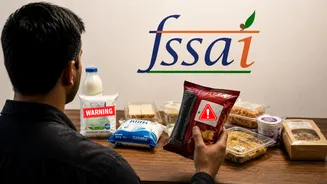
The Food Safety and Standards Authority of India (FSSAI) has proposed a mandatory Front-of-Pack Nutrition Labelling (FoPNL) system. This involves placing simple, clear warnings on packaged food products that are high in certain nutrients of concern: added
sugar, salt, and saturated fat. The proposed label is a striking red, hexagonal symbol, designed to act like a stop sign for consumers, immediately flagging items with excessive levels of these ingredients. The warnings will be explicit, with text such as "HIGH SUGAR," "HIGH SALT," or "HIGH FAT" printed in a font size larger than the nutritional information on the back of the pack. This move, prompted by sharp questions from the Supreme Court about public health, aims to make it easier for shoppers to make healthier choices at a glance.
The Phased Rollout Explained
The headline's "First Two, Then One" refers to the two-phase implementation plan proposed by the FSSAI. In Phase I, the red hexagonal warning label will only be required on products that are high in two or more of the concerning nutrients—for example, a snack high in both salt and fat. This initial stage also includes specific warnings for highly sweetened beverages. Phase II will be stricter. In this subsequent stage, the warning label requirement will extend to products that are high in even a single one of these nutrients. According to the FSSAI, this phased approach is designed to give the food industry adequate time to reformulate their products and to help consumers gradually adapt to the new system. However, no definitive timeline for the start of Phase II has been announced.
Why Are These Warnings Needed?
This regulatory push is a direct response to growing public health concerns in India. The Supreme Court has highlighted the link between products high in fat, sugar, and salt and the rising trend of obesity, especially in children. These ingredients are major contributors to non-communicable diseases (NCDs) like diabetes and heart conditions. Health advocates argue that the current back-of-pack nutrition tables are often confusing and difficult for the average consumer to interpret quickly while shopping. By placing a simple, visual warning on the front, the FSSAI aims to empower all consumers, regardless of their health literacy, to identify less healthy products and make more informed decisions for themselves and their families. Research has suggested that a vast majority of consumers would be influenced by such a prominent warning.
How Will the Food Industry Be Affected?
The proposal has sent ripples through India's massive packaged-food market. Major companies and industry groups have previously expressed concerns that such warning labels could confuse consumers and negatively impact sales. The phased rollout is, in part, a concession to these concerns, giving brands a window to adjust. This adjustment period may involve reformulating products to reduce sugar, salt, and fat levels to avoid needing a warning label. Some exemptions are also proposed, such as for single-ingredient products like ghee, edible oils, honey, and sugar itself. The FSSAI's recent crackdown on misleading claims like "100% Pure" has already put the industry on notice, and these new labels represent an even bigger shift towards transparency.
What Do Health Advocates Say?
While public health experts have welcomed the move towards a mandatory warning system as a victory, some have raised significant concerns about the details of the proposal. A key criticism is aimed at the Phase I requirement that a product must be high in two nutrients to trigger a warning. Critics argue this could create a loophole, allowing many unhealthy products that are high in just one nutrient—like a sugary drink—to escape labelling in the initial phase. There are also questions about the use of "added sugar" instead of "total sugar," which can be harder to measure and potentially less effective. Advocates are pushing for a clear and swift timeline for the transition to the more comprehensive Phase II to ensure the system has a meaningful impact on public health.