




A Global Who's Who in Delhi
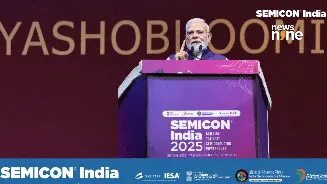
SEMICON India 2026, inaugurated by Prime Minister Narendra Modi, is a landmark event, bringing together the most influential figures in the semiconductor world. Delegations from over 40 countries and executives from more than 500 companies are in attendance,
transforming the sprawling Yashobhoomi complex into a hub of high-stakes discussions and strategic partnerships. The event, jointly organized by the India Semiconductor Mission (ISM) and the global industry association SEMI, serves as a powerful statement of India's growing importance in a sector critical to the global economy. The theme, "Transform Tomorrow: Silicon to Systems – Building the Ecosystem," captures the national ambition to become an indispensable part of the entire semiconductor value chain.
Why This Gathering Matters
Semiconductors, or chips, are the brains behind every modern electronic device, from smartphones and cars to advanced medical equipment and defense systems. For decades, manufacturing has been concentrated in a few East Asian countries. Recent global disruptions have exposed the vulnerabilities of this model, creating an urgent need for a more diverse and resilient supply chain. This is where India sees its opportunity. Hosting SEMICON is more than a matter of prestige; it's a strategic platform to showcase policy reforms, attract global investment, and integrate Indian companies into the international ecosystem. The event allows Indian firms to forge partnerships and provides global stakeholders with a firsthand look at the country's progress.
The 'India Semiconductor Mission' in Action
This event is the culmination of years of focused policy work. The India Semiconductor Mission (ISM) was launched with a massive financial commitment to build a comprehensive chip ecosystem from the ground up. The government is providing significant financial incentives to attract companies to set up fabrication plants (fabs), assembly and testing units, and design centres. The strategy is already showing results. As of August 2026, several approved projects have commenced commercial production, with more expected to come online by the end of the year. The government recently announced ISM 2.0, a new phase that broadens support to include chip design, equipment manufacturing, and talent development, signalling a long-term commitment.
Yashobhoomi: A Venue Fit for Ambition
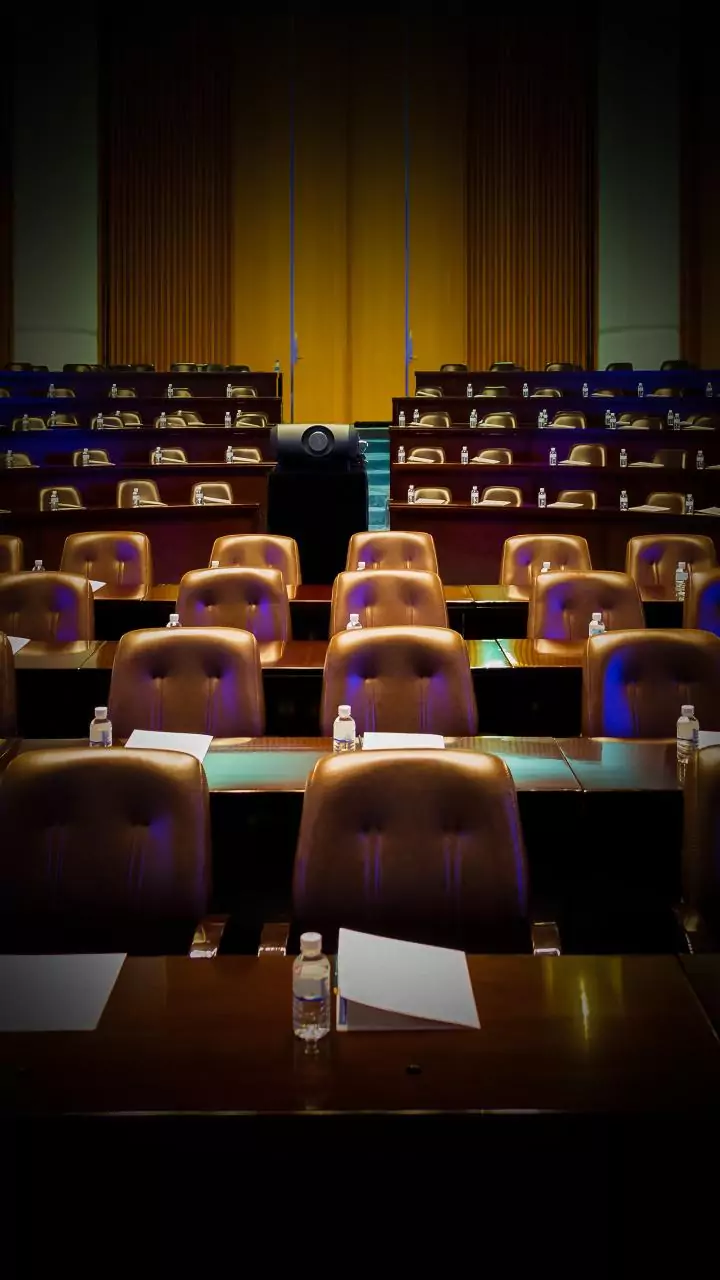
The choice of Yashobhoomi, which translates to "Land of Fame," is symbolic. Located in Dwarka, it is one of the world's largest MICE (Meetings, Incentives, Conferences, and Exhibitions) facilities. With its 11,000-delegate capacity, multiple convention halls, and state-of-the-art technology, it reflects the scale of India's aspirations. This architectural marvel, larger than the Bharat Mandapam which hosted the G20 Summit, provides the perfect backdrop for an event focused on cutting-edge technology and global collaboration.
The Road Ahead: Challenges and Opportunities
Despite the momentum, the path to becoming a semiconductor powerhouse is challenging. The industry requires massive, uninterrupted supplies of power and ultra-pure water, and India must overcome existing infrastructure deficits. Furthermore, the country is heavily reliant on imports for specialized manufacturing equipment and raw materials. There's also a significant need to develop a skilled workforce specifically for the manufacturing side of the industry, which is a key focus of ISM 2.0. However, the opportunities are immense. India's domestic semiconductor market is projected to grow significantly, providing a large internal demand. By successfully executing its strategy, India aims not just to meet its own needs but to become a trusted, reliable partner for the entire world.