


A Landmark Project for North Gujarat
In the Banaskantha district, a significant project is underway that aims to redefine wildlife tourism in the region. The Gujarat Forest Department is developing the Deesa Desert Zoological Park and Night Safari, a large-scale facility planned for Juna
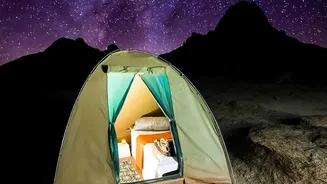
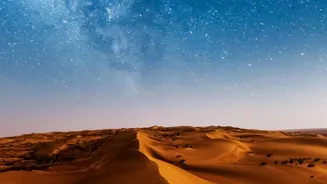
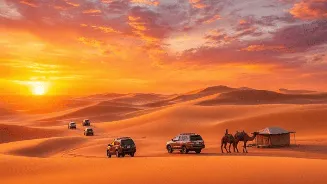
Deesa. The project recently received a crucial green light from the Central Zoo Authority (CZA), paving the way for its development. Spanning 103 hectares of government land, this ambitious venture comes with an estimated cost of ₹542.14 crore. Officials selected the site for its natural sand dunes, proximity to the Banas River, and excellent road and rail connectivity, ensuring accessibility for future visitors. This park is not just another zoo; it is being billed as Asia’s first desert-themed, drive-through night safari, a concept that has generated considerable excitement.
A World of Wildlife Awaits
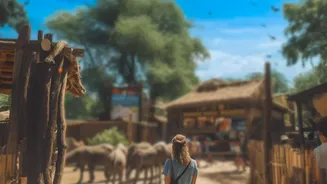
The park is set to be a bustling hub of biodiversity, with plans to house around 2,700 animals and birds from approximately 83 different species. The collection will feature a fascinating mix of native Indian animals and exotic species from across the globe. Visitors can expect to see iconic Indian wildlife such as the Asiatic lion, leopard, chinkara, blackbuck, and the Indian wild ass. The park's desert theme will also be reflected in species like the caracal, Indian wolf, desert fox, and striped hyena. Adding an international flavour, the park will host African species including cheetahs, Angolan giraffes, zebras, and ostriches. A contingent from Australia, featuring kangaroos, emus, and wallabies, will also be among the star attractions. This diverse lineup ensures that the park will offer a comprehensive and educational wildlife experience.
More Than Just a Safari
The Deesa project is designed with a multi-faceted approach that extends beyond tourism. A key feature will be its five dedicated night safari enclosures, allowing visitors to observe nocturnal animals in specially designed habitats after sunset. In addition to the day zoo and night safari, the master plan includes a variety of other attractions. These include a reptile safari, a rainforest biome, an aquarium, an aviary, a dedicated reptile house, and even a butterfly park. This ensures a varied and engaging visit for all ages. Furthermore, the park is intended to serve as a vital centre for conservation. Officials have highlighted its role in conservation breeding programs for endangered species, wildlife rescue and rehabilitation, and providing environmental education to the public.
Boosting Tourism and the Local Economy
The establishment of the Deesa wildlife park is expected to have a significant positive impact on the economy of Banaskantha and the wider North Gujarat region. By creating a major new tourist hub, it aims to generate local employment opportunities and draw visitors to an area not traditionally on the main tourist circuit. The park is strategically located to complement other nearby attractions like the temple town of Ambaji and the border viewing point at Nadabet, creating a more robust tourism corridor in North Gujarat. This development is seen as a flagship project that will place Banaskantha firmly on the state's ecotourism map, attracting both domestic and international visitors once it is completed and operational.