



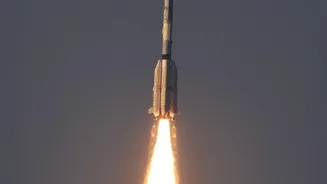

A Landmark Liftoff for India
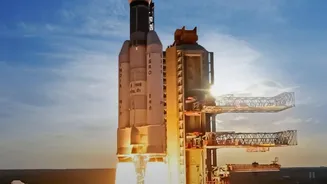
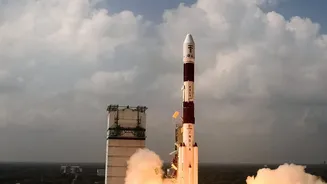
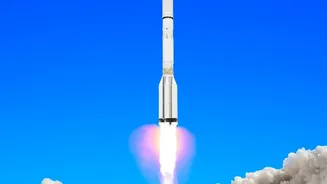
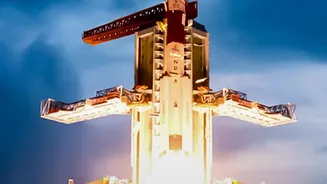
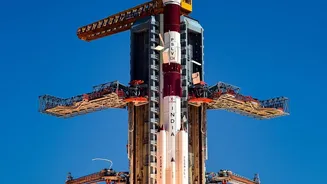
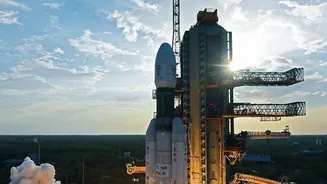
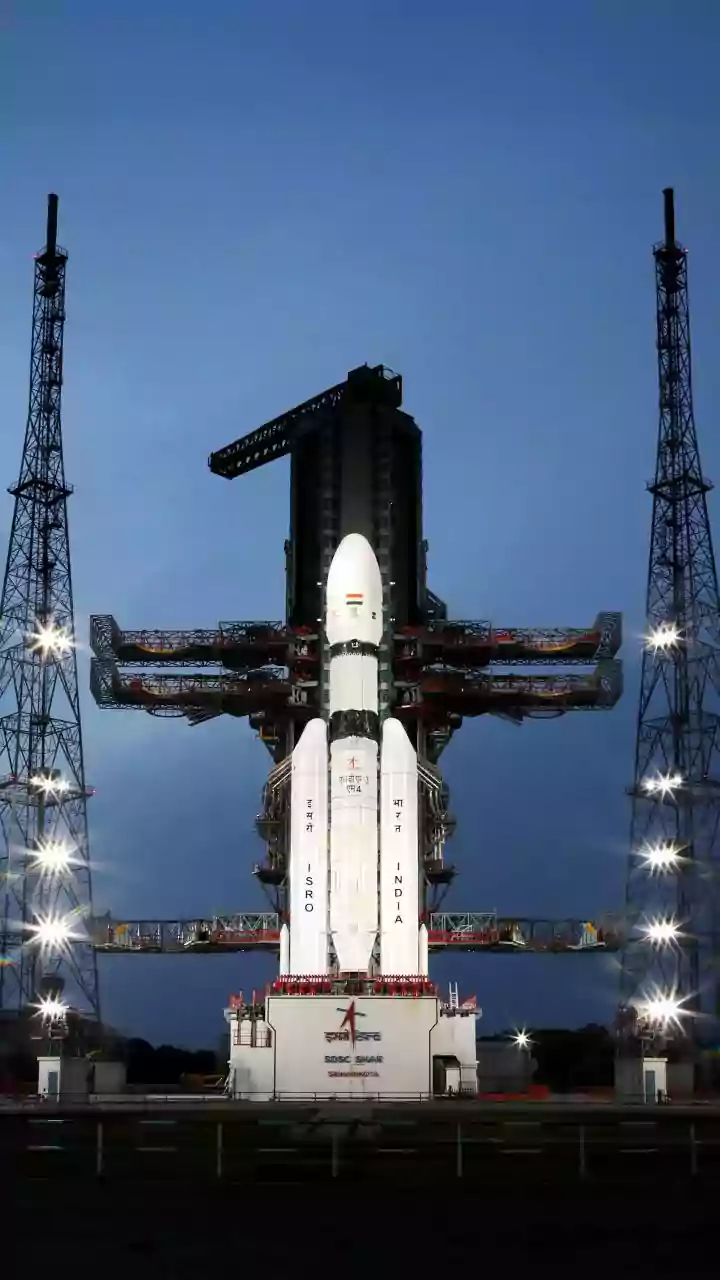
On July 18, 2026, the Vikram-1 rocket soared into the sky from the Satish Dhawan Space Centre in Sriharikota, achieving orbit and deploying its payloads. This was not just another launch; it was 'Mission Aagaman' (meaning 'arrival'), the moment India's
private sector officially arrived in the orbital launch business. The successful mission made India only the third country, after the US and China, to have a privately developed rocket reach orbit. The achievement marks a pivotal moment, breaking the longstanding monopoly of the Indian Space Research Organisation (ISRO) on orbital launches and heralding a new era for the country's burgeoning space economy. For Skyroot, it was the culmination of years of meticulous work that began long before the rocket was even built.
From ISRO Scientists to Startup Founders
The story of Skyroot Aerospace begins in 2018 with two former ISRO scientists, Pawan Kumar Chandana and Naga Bharath Daka. Having worked on India’s most prestigious rocket programs, they shared a vision for a new Indian space age—one driven by private innovation. They believed that making space access affordable and on-demand was the next great frontier. Leaving behind their secure government careers, they founded Skyroot in Hyderabad with the ambitious goal of building rockets from the ground up. Their mission was to cater to the fast-growing global market for small satellite launches, an industry that requires quick, reliable, and cost-effective launch vehicles. This was a bold gamble in a sector traditionally dominated by government agencies.
The Fuel of Early Backing
A great idea needs capital to take flight, and the headline's "first big funding story" refers to the crucial early investments that validated Skyroot's vision. While the company has raised over $150 million in total, its initial funding rounds were vital. The journey started with an angel round in 2018. As the company demonstrated progress, it attracted more significant backing. The policy shift in 2020, when the Indian government opened the space sector to private participation, was a major catalyst, boosting investor confidence. The creation of IN-SPACe, a regulatory body to facilitate private space activities, further streamlined the path for startups like Skyroot. These early funds were instrumental, allowing Chandana and Daka to expand their team, develop their propulsion technology, and build the infrastructure that would eventually produce the Vikram-1.
Engineering the Vikram-1
The Vikram-1 is a testament to Indian engineering and ingenuity. It is a four-stage rocket designed specifically to launch small satellites, with a capacity to deliver up to 480 kg to low Earth orbit. The vehicle is built with a lightweight all-carbon-fibre structure and features advanced technologies like 3D-printed engines and solid-fuel propulsion for its initial stages. Before the orbital success of Vikram-1, Skyroot proved its capabilities in November 2022 with the launch of Vikram-S, a suborbital rocket that marked India's first-ever private rocket launch. That mission, named 'Prarambh' ('the beginning'), was a critical stepping stone, validating the company's core technologies and paving the way for the more ambitious orbital mission. Vikram-1 represents a leap from a suborbital test to a commercially viable orbital launch vehicle.
A New Orbit for India's Space Ambitions
The success of Vikram-1 is more than a corporate victory; it's a strategic win for India. With over 400 space startups now active, the nation's space economy, valued at over $8 billion, is projected to grow significantly. Skyroot's achievement serves as a powerful proof-of-concept for the entire ecosystem, signalling to global investors that India's private space industry is a credible and competitive force. The company itself became India’s first space-tech unicorn in May 2026, reaching a valuation of $1.1 billion after a $60 million funding round from prominent global investors like GIC and BlackRock. This successful launch completes the circle: from early seed funding to a billion-dollar valuation and a historic orbital flight, Skyroot has charted a course for others to follow.