

Why Spreading Protein Matters
We often think about how much protein to eat, but when we eat it is just as crucial. Many people consume little protein for breakfast and lunch, then have a large, protein-heavy dinner. However, research suggests the body utilizes protein more effectively
in smaller, regular doses. Spreading your protein intake across the day helps with muscle repair and maintenance, keeps you feeling full and satisfied, and promotes more stable energy levels. Studies have shown that distributing protein evenly can stimulate 24-hour muscle protein synthesis more effectively than skewing it towards the evening meal. Instead of one large dose that the body may struggle to use all at once, providing a steady supply helps manage appetite and preserve muscle mass.
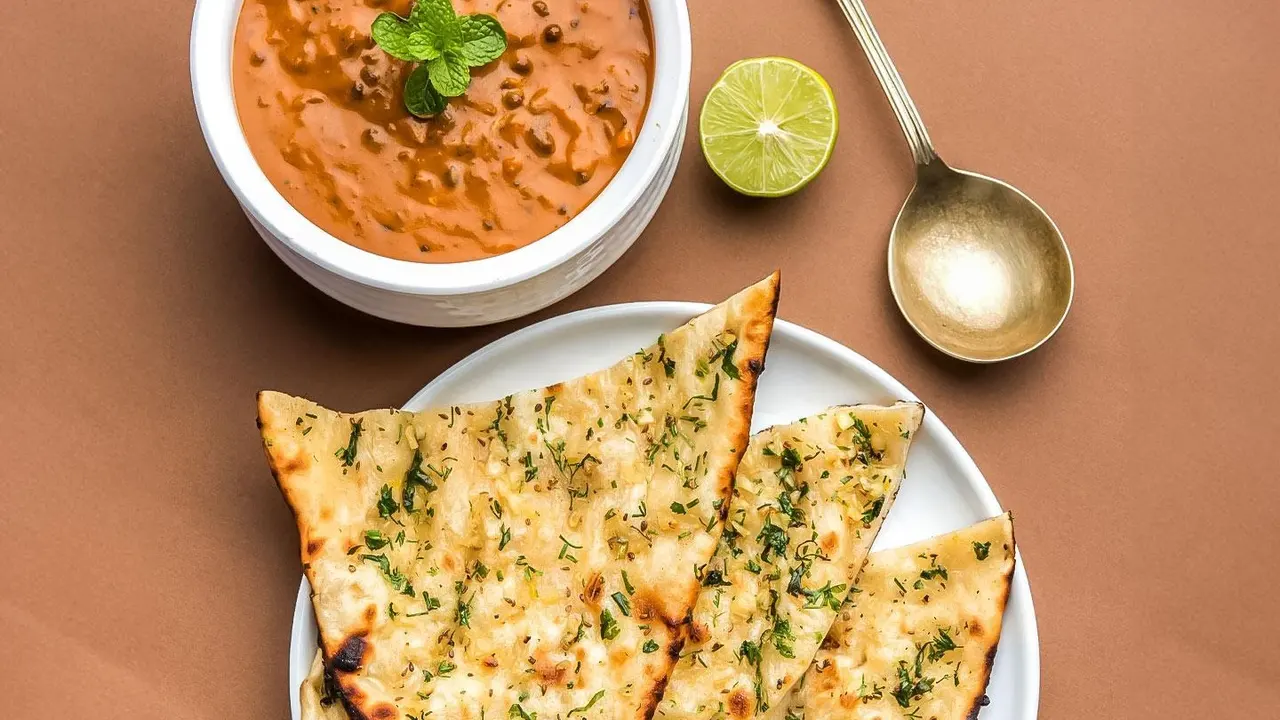
The Power Trio: A Dal for Every Need
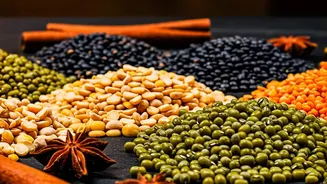
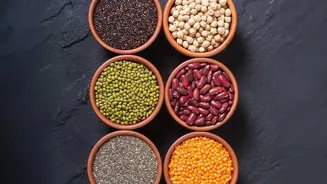
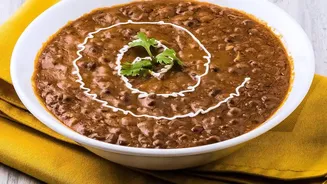
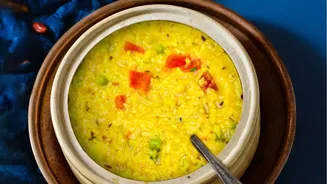
Moong, masoor, and chana are three of the most versatile dals in the Indian kitchen, each offering a significant protein punch. Moong dal, whether whole green or split yellow, is known for being easy to digest and provides roughly 24 grams of protein per 100g (dry). Masoor dal, or red lentil, cooks very quickly and is great for last-minute meals, offering about 24g of protein per 100g. Chana dal, made from split chickpeas, is denser and more robust, with a protein content of around 25g per 100g. This trio covers all bases, from light and quick meals to hearty, substantial dishes.
Protein-Packed Breakfasts Beyond Eggs
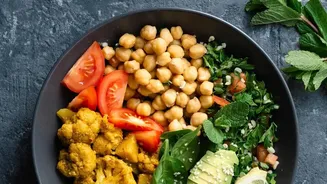
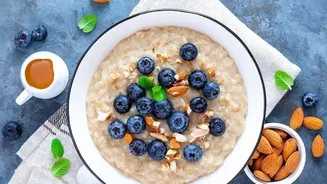
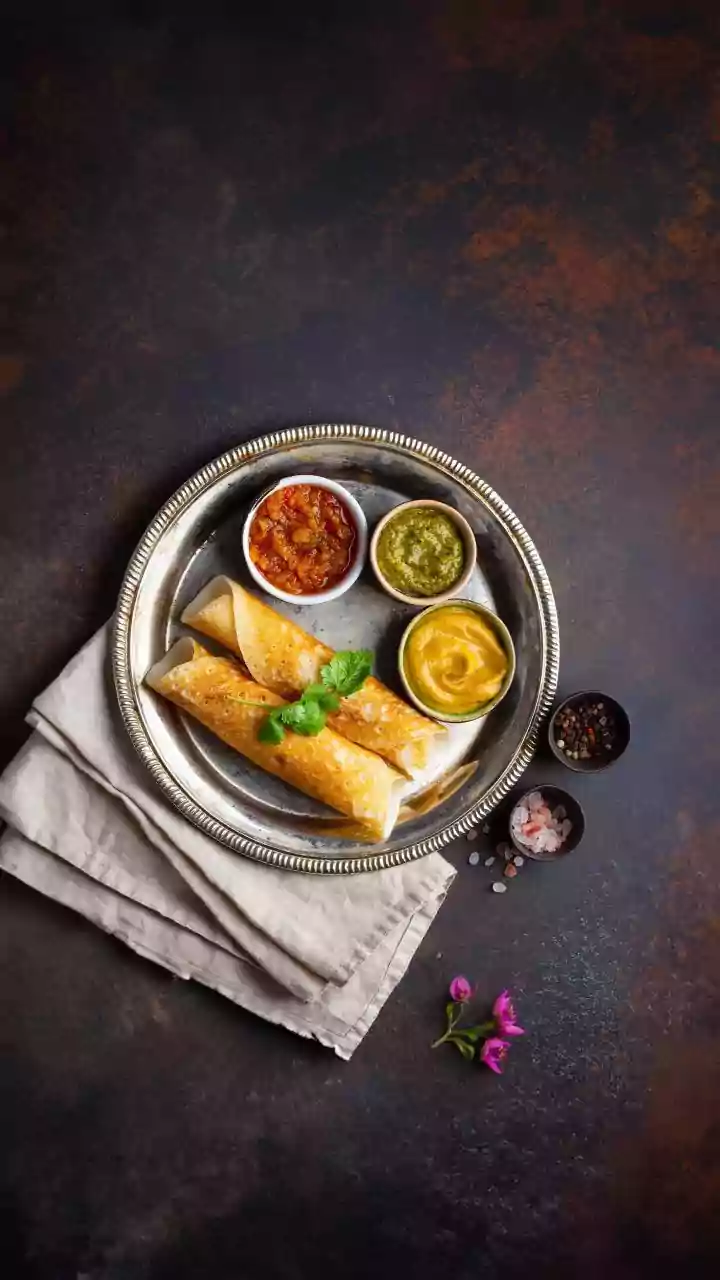
Starting your day with protein can feel like a challenge, but dals offer savoury and satisfying options. A moong dal chilla (a thin, savoury pancake) is a classic high-protein Indian breakfast. You can also make savoury breakfast bowls with cooked lentils, fresh vegetables, and perhaps a fried egg on top. Besan (chana flour) can be used to make a quick cheela or uttapam. For a very simple start, try a warm bowl of simply cooked masoor dal, seasoned with a little salt and turmeric, much like a savoury porridge. These options provide a fantastic alternative to sugary cereals and help keep you full until lunch.
Reinventing Lunch and Dinner
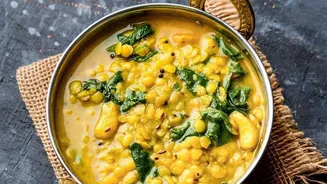
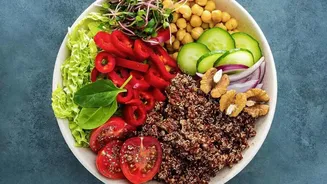
While dal with rice or roti is a classic staple, there are other ways to incorporate these lentils into your main meals. Add a cup of cooked chana or moong dal to your vegetable subzi to instantly boost its protein content. Leftover dal can be kneaded into atta to make high-protein parathas or rotis. Cooked lentils also make a wonderful addition to salads, providing texture and substance. A simple masoor dal soup can be a light yet filling lunch, while a thicker chana dal curry serves as a hearty dinner.
Smart Snacking with Dals
Snack time is a perfect opportunity to sneak in another protein serving. Roasted chana is a popular, crunchy, and portable snack. You can also make small, pan-fried tikkis or patties from a mix of mashed cooked dals and spices. Even a small cup of leftover dal, warmed up, can serve as a nourishing and protein-rich mini-meal that tides you over between lunch and dinner. Making your own fried dal namkeen at home is also an option for a crunchy, savoury snack.
Creating a Complete Protein
It’s a common nutritional fact that most plant-based proteins are 'incomplete,' meaning they lack one or more of the nine essential amino acids our bodies need from food. Dals are typically low in the amino acid methionine. However, grains like rice and wheat are rich in it. This is why the traditional Indian meal of dal and rice or dal and roti is so powerful—when eaten together, they form a 'complete protein,' providing all the essential amino acids your body needs. This complementary pairing has been a cornerstone of the subcontinent's diet for centuries for good reason.