



The Post-Monsoon Garden Reset
The end of the monsoon season means it's time for a garden reset. Heavy rains can compact soil, wash away vital nutrients, and encourage weed growth. Start by gently loosening the topsoil to improve aeration, which helps plant roots breathe. This is also
the perfect time to replenish the soil by adding organic matter like well-rotted compost or vermicompost. In areas with heavy soil that retains too much water, using raised beds or containers can prevent waterlogging and root rot. Before you begin sowing new seeds, clear out any weeds and debris left over from the rainy season to give your new plants a clean start.
Vegetables to Sow This Month
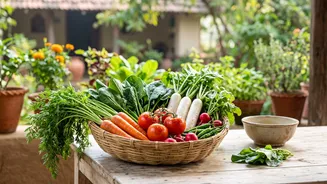
September is the ideal time to sow seeds for a variety of cool-season vegetables that will flourish in India's winter. Leafy greens are a top choice. Spinach (Palak) is easy to grow and can be ready for harvest in as little as 45 days. Other excellent options include cabbage, lettuce, and fenugreek (methi). It's also a great time to plant root vegetables like carrots, radishes, and beetroot. Radishes, in particular, offer a quick reward, often ready in under a month. For those looking to grow staples, consider sowing seeds for cauliflower, broccoli, peas, and beans. In many parts of India, you can also plant brinjal, which thrives as the heavy rains subside.
Flowers for a Colourful Winter
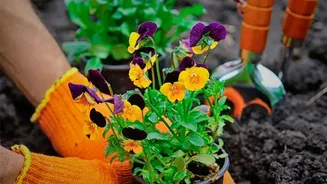
To ensure your garden is full of colour during the winter and spring months, September is the time to act. It's the perfect window to sow seeds for many popular winter-blooming flowers. Marigolds are a classic choice, easy to grow and known for keeping pests at bay. Petunias, with their vibrant and profuse blooms, are perfect for pots and hanging baskets. Other beautiful options to plant now include pansies, which have velvety petals, and the fragrant sweet pea, which will need a trellis or fence for support. Calendula, also known as pot marigold, is another easy-to-grow flower whose petals are even edible.
Herbs for Your Kitchen Garden
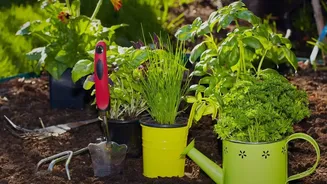
A kitchen garden can provide fresh flavours throughout the winter, and September is the best month to get started. Coriander (Dhaniya) is a staple in Indian cooking and grows best in the milder temperatures of autumn, as it tends to bolt in the heat. For best results, sow coriander seeds directly into pots. Parsley is another rewarding herb to plant now; soaking the seeds overnight can help speed up its slow germination process. Other herbs that do well when planted in September include dill, chives, and mint. These can be grown in small pots on a balcony or integrated into larger garden beds.
Essential Care and Maintenance
As your September garden begins to grow, proper care is crucial. When watering newly sown seeds, use a fine mist to avoid dislodging them. Once seedlings emerge, you may need to thin them out to prevent overcrowding and allow the strongest ones to thrive. Pests can still be an issue, especially with the lingering humidity. A weekly spray of neem oil is a good organic practice to keep common pests like aphids under control. For potted plants, ensure the drainage holes are clear to prevent water from stagnating after late-season showers. Finally, once your seedlings are established, provide them with a light application of organic fertilizer, such as vermicompost, to encourage robust growth.