


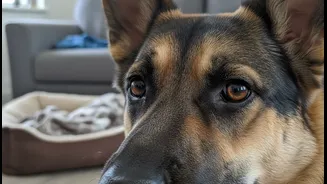



The Overlooked Link Between Pain and Behaviour
When a dog’s personality seems to change overnight, many owners suspect a training issue or that their pet has simply become 'grumpy' with age. However, veterinary behaviourists are increasingly pointing to an often-overlooked cause: underlying physical
pain. A dog who is suddenly reactive, anxious, or aggressive might not be misbehaving; they may be hurting. This is especially true for new sensitivities to noise and handling. Research has shown a strong connection between musculoskeletal pain and the development of noise aversion in dogs. In fact, a 2018 study found that the onset of noise sensitivity in dogs with diagnosed pain occurred, on average, four years later in life compared to dogs without pain, suggesting the behaviour change was linked to the developing discomfort. This isn't just a coincidence; it's a fundamental change in how the dog's brain and body are processing the world around them.
Why Pain Makes the World Seem Louder
Chronic pain puts a dog's nervous system on constant high alert. Think of it like a car alarm that's become too sensitive; even a leaf falling on the windshield can set it off. This state of hypervigilance means a dog in pain is already stressed and tense. When a sudden, loud noise occurs—like a thunderstorm, fireworks, or even a dropped pan—their startle response is amplified. They tense their muscles, which can directly exacerbate an already sore joint or inflamed area, creating a painful association with the sound. Over time, the dog learns to fear not just the noise itself, but any situation where the noise might happen. This can lead them to avoid entire rooms, refuse to go on walks in certain areas, or show signs of anxiety like trembling, panting, and hiding.
When a Gentle Touch Becomes a Threat
A similar process explains why a dog in pain might suddenly reject being handled or petted. What was once a comforting gesture can become a source of anxiety or pain. This can be due to a condition called allodynia, where a stimulus that isn't normally painful—like a gentle pat—is perceived as painful. A dog with an arthritic hip, a sore back, or dental pain doesn't understand that your approaching hand means well. Their instinct is to protect the sore area. This can lead to behaviours that are often misinterpreted as aggression or moodiness, such as snapping, growling, or moving away when you reach for them. They aren't trying to be difficult; they are trying to prevent an action they've learned might cause them more pain.
Recognising the Subtle Signs of Discomfort
Because dogs have a natural instinct to hide pain, the signs can be incredibly subtle. Beyond yelping or limping, owners should watch for nuanced behavioural shifts. Key indicators of hidden pain can include a reluctance to jump onto the sofa or into the car, difficulty getting up or down, stiffness after resting, or changes in posture, like a 'lazy' or crooked sit. Other signs might be a loss of interest in walks or play, changes in appetite, house-training accidents, or excessively licking a particular spot on their body. An increase in clinginess or, conversely, a new tendency to hide can also be signs that your pet is feeling distressed. Paying attention to these small changes is the first step toward getting them help.
What You Can Do to Help Your Dog
If you suspect your dog's new sensitivities are linked to pain, the most important step is to schedule a thorough examination with your veterinarian. Be prepared to provide a detailed history of the behavioural changes you've noticed. Don't dismiss the changes as your dog just 'getting old.' Pain is a medical condition that can often be managed. Studies show that when the underlying pain is treated with analgesics, the associated behavioural problems often improve significantly. While waiting for your vet appointment, you can make your dog's environment feel safer. Create a quiet, comfortable den or safe space they can retreat to. For dogs sensitive to handling, approach them calmly, avoid sudden movements, and be mindful of any areas they seem to be protecting. Your vet can provide a diagnosis and a comprehensive pain management plan that will improve your dog's physical comfort and, in turn, their emotional wellbeing.