






The First Line of Defence: Airtight Containers
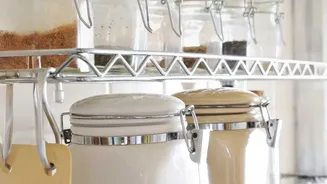
The single most effective step in protecting your pantry is transferring food from its original packaging into truly airtight containers. Pests like flour beetles and weevils can easily chew through paper, cardboard, and thin plastic bags. An infestation
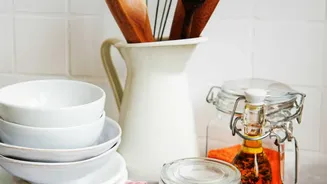
can start in one product and quickly spread throughout your shelves. When choosing containers, look for those with a silicone or rubber gasket in the lid, as this creates a proper seal that snap-on lids often lack. For an Indian kitchen, a tailored approach works best. Use large, food-grade steel or BPA-free plastic containers for bulk staples like rice and atta; their wide mouths make scooping easy. Glass jars are ideal for spices, pickles, and dry fruits because glass is non-porous and won’t absorb strong odours or stains from ingredients like turmeric. It also allows you to see what’s inside. For everyday spices, the traditional steel masala dabba remains a practical choice for quick access, but ensure you refill it with small quantities from a larger, well-sealed container.
Why a Dry Pantry Is a Pest-Free Pantry
Pests thrive in warm, humid conditions, a familiar climate for much of India, especially during the monsoon season. Moisture not only makes dry goods like flour and grains clump together but also accelerates mould growth and creates an ideal breeding ground for insects. Keeping your pantry dry is a critical preventative measure. Start by ensuring shelves are completely dry before you place any containers on them. Avoid storing food items near the stove or sink, where steam and splashes are common. Regularly check under the sink and around pipes for any leaks that could be raising the humidity in your cabinets. Good ventilation is also key. If your pantry is in an enclosed space, consider leaving the door ajar occasionally to allow air to circulate. A dry environment makes your kitchen far less hospitable to pests, disrupting their ability to reproduce and survive.
The Power of a Consistent Cleaning Schedule
While containers create a barrier, regular cleaning eliminates the food sources that attract pests in the first place. Even tiny spills of flour, sugar, or besan can sustain a small population of insects. Establish a simple but consistent cleaning ritual. Once a month, take everything off one shelf, vacuum up any crumbs and dust, paying special attention to corners and crevices where eggs can hide. Wipe the shelf down with a solution of equal parts white vinegar and water; the vinegar acts as a natural cleaning agent and its smell can deter some pests. Before putting containers back, wipe them down to remove any residue. This is also a good time to practice the 'first in, first out' (FIFO) method: move older items to the front so you use them before newer ones. An annual deep clean of the entire pantry is also recommended to discard expired items and start fresh.
Natural Deterrents and Smart Habits
Beyond the big three, a few extra habits can significantly boost your defences. Many pests are naturally repelled by certain strong scents. Placing a couple of dried bay leaves inside your containers of flour, rice, and dal is a traditional and effective deterrent. You can also place cotton balls with a few drops of peppermint, clove, or eucalyptus oil in the corners of your pantry, refreshing them every few weeks. Another powerful technique is to freeze newly purchased high-risk items like flour, oats, or grains for three to four days before transferring them to their permanent containers. The freezing temperature kills any eggs or larvae that may have come home with you from the store. These small, proactive steps work together to create multiple layers of protection, making an infestation highly unlikely.