


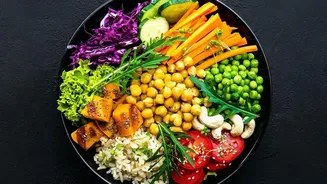
The Power of a Pretty Plate
Before you take a single bite, your brain has already made a series of judgments about the food in front of you. This isn't just about anticipating flavour; it's about assessing quality, freshness, and even nutritional content. Studies have consistently
shown that the way food is presented acts as a powerful visual cue that shapes our expectations. An artfully arranged plate signals care and intention, which our minds often translate into other positive attributes, such as being healthier or made with better ingredients. This phenomenon, sometimes called the 'health halo effect', means a dish that looks good is often assumed to be good for you, whether it is or not.
Neatness Sells Health
Recent research highlights just how specific these visual cues can be. A 2026 study conducted in Japan found that the simple placement of sauce on a plate made a significant difference. When a sturgeon dish was served with sauces arranged neatly on the side, participants rated it as looking significantly healthier than the exact same dish with the sauce drizzled over the top. The researchers believe that the 'minimal' presentation appeared less visually dense, which people may associate with simplicity and naturalness. This aligns with earlier findings that neat, organized presentations are perceived as being prepared with more care, making them seem more appealing and of higher quality than messy arrangements.
The Influence of Colour and Contrast
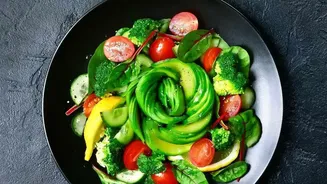
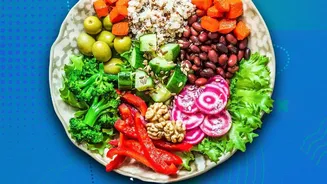
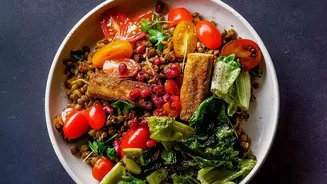
Colour is another critical factor in our subconscious food analysis. A plate filled with vibrant, varied colours often gives the impression of freshness and a wide range of nutrients. Think of a salad with bright red tomatoes, dark green spinach, and yellow bell peppers versus a monochromatic plate of pasta. The colourful dish instinctively feels more nutritious. The colour of the plate itself also plays a role. White plates are a classic for a reason; they provide a neutral background that makes the colours of the food pop, enhancing their visual appeal. Studies have found that plate colour can even influence our perception of taste, with some colours making food seem sweeter or saltier.
It's All About Balance
Beyond just neatness, the overall balance and composition of a plate can influence how we perceive it. Symmetrical and vertically arranged food often appears more deliberate and of higher quality. This sense of order can make a portion seem more 'ideal' or satisfying. Conversely, a haphazard pile of food might signal a lack of care, potentially diminishing our enjoyment and even making us question its freshness. The goal isn't necessarily to create a Michelin-star dish every night, but to understand that small acts of care—like wiping the rim of a bowl or arranging slices with intent—accumulate to create a more positive and mindful eating experience.
Making It Work in Your Kitchen
You can easily use this psychology to your advantage at home. If you or your family are hesitant about healthy foods, focus on presentation. Instead of simply scooping stir-fry onto a plate, try arranging the vegetables by colour. Serve soup in an attractive bowl and add a simple garnish like fresh herbs. When packing a lunch, use containers with dividers to keep components separate and neat. These small changes can make healthy meals feel more like a treat and less like a chore. By making nutritious food more visually appealing, you can gently nudge yourself and others toward better eating habits without changing a single ingredient.