





More Than Just Roads
When we think of infrastructure, roads and bridges are often the first things that come to mind. But for modern tourism, the network is far more complex. It includes the expansion of regional airports under schemes like UDAN, which makes far-flung locations
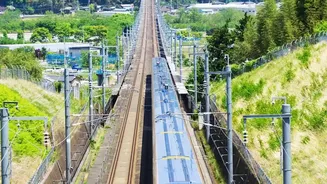
accessible via affordable flights. It also encompasses the development of railway lines, ropeways for last-mile connectivity in hilly areas, and even digital infrastructure. Robust digital networks allow for online booking, real-time information for travellers, and better crowd management, all of which contribute to a smoother and safer visitor experience. Moreover, schemes like Swadesh Darshan and PRASHAD focus on holistic development, creating sanitation systems, public utilities, and visitor centres that make destinations more welcoming.
The Himalayan Game-Changer
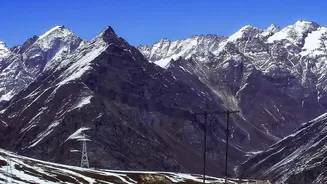
Perhaps no single project better illustrates the transformative power of infrastructure than the Atal Tunnel in Himachal Pradesh. Before its completion, the Lahaul-Spiti valley was cut off from the rest of the country for nearly six months each year due to heavy snowfall on the Rohtang Pass. The tunnel provides all-weather connectivity, dramatically reducing travel time. A journey from Manali to Keylong that once took eight hours can now be completed in about ninety minutes. This has led to an explosion in tourism, with visitor numbers to Lahaul and Spiti jumping from 1.72 lakh in 2018 to over 10.55 lakh by 2024. This year-round access not only boosts tourism but fundamentally changes life for residents, enabling easier transport of agricultural goods and providing reliable access to healthcare and other essential services.
Economic Uplift and New Opportunities
Improved access directly translates into economic opportunities for local communities. The influx of tourists creates a demand for accommodation, food, and guide services. In areas like the Lahaul Valley, the tourism boom has spurred the growth of homestays and temporary stalls run by locals, providing new sources of income. This economic activity is a powerful incentive for preserving the very culture and nature that tourists come to see. When communities benefit directly from tourism, they become key stakeholders in conservation. Furthermore, infrastructure projects themselves generate local employment. This development can create a virtuous cycle where tourism revenue helps fund further improvements and conservation efforts, supporting regional economies and empowering local entrepreneurs.
The Double-Edged Sword of Access
However, unlocking remote areas is not without its risks. The same infrastructure that brings economic benefits can also lead to over-tourism, straining fragile ecosystems and overwhelming local communities. The massive increase in visitors to places like Lahaul has raised concerns about vehicular pollution, litter, and the risk of the valley turning into a 'concrete jungle'. Unplanned development can lead to environmental degradation, deforestation, and put pressure on limited resources like water. There is also the danger of cultural commodification, where local traditions are diluted or altered to cater to tourist expectations, potentially marginalizing residents in their own homes.
Forging a Sustainable Path Forward
The key to harnessing the benefits of infrastructure while mitigating the harms lies in sustainable and responsible planning. This means integrating infrastructure development with comprehensive tourism management strategies. Governments and planners are increasingly focusing on a 'challenge mode' to develop destinations, aiming to improve connectivity while ensuring visitor amenities are built sustainably. Successful approaches involve active community participation, ensuring that local populations are involved in the planning process and reap equitable benefits. Promoting ecotourism, setting limits on visitor numbers in sensitive areas, and investing in waste management are crucial steps. The goal is to balance access with preservation, ensuring that these incredible sites can be enjoyed by future generations without destroying their essential character.