

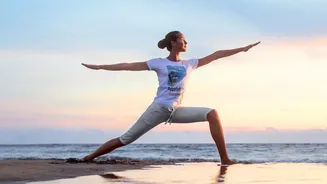
The Dream of Seaside Serenity
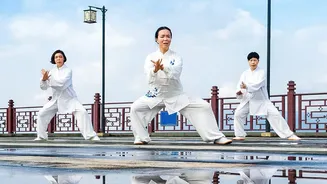
There is a powerful reason why so many people are drawn to practicing Tai Chi by the ocean. The ancient art is known as a 'moving meditation', a practice that enhances balance, lowers stress, and improves focus by connecting breath with slow, deliberate
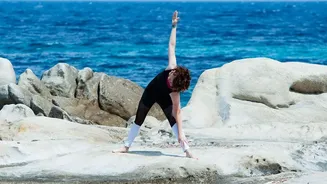
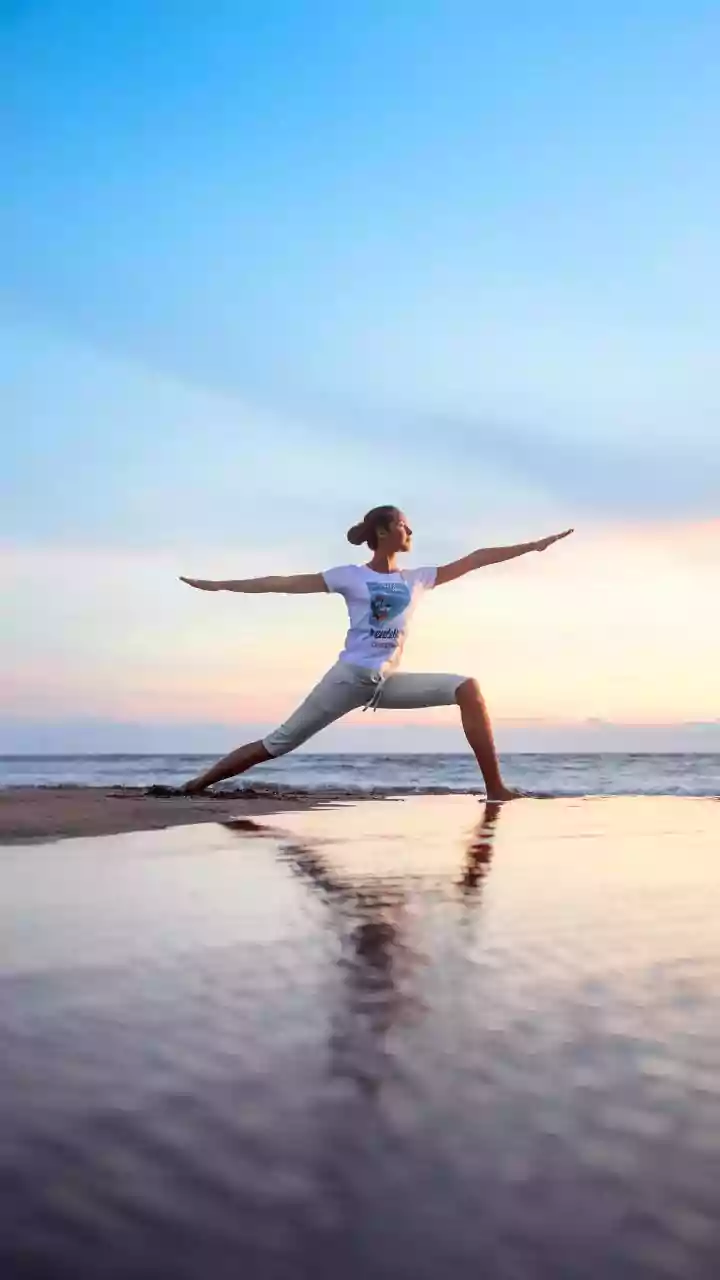
movements. Bringing this practice into nature, especially to a beach, can amplify these benefits. The open space encourages deeper breathing, the natural light can help regulate energy, and the rhythmic sound of the waves offers a natural cadence for your movements. This connection to the environment is a core aspect of the wellness philosophy, turning exercise into a more holistic experience that nurtures the mind and body.
The Challenge of Shifting Ground
The first and most significant hurdle for beach Tai Chi is the ground itself. Tai Chi is built on principles of stability, rooting, and maintaining a connection to the earth through your feet to create balance. Soft, dry sand constantly shifts, making it difficult to establish a firm 'root'. This forces your muscles to work much harder just to stay stable, which can detract from the fluid, relaxed nature of the movements. Wet, packed sand near the waterline presents a different problem. While firmer, it is often sloped and uneven, which can strain your joints and compromise your posture. For beginners, an even, flat surface is ideal for learning proper alignment; practicing on an unstable surface increases the risk of developing bad habits or even sustaining an injury. While advanced practitioners might seek out uneven ground as a challenge, it's often counterproductive for a regular, restorative session.
The Battle for Mental Quiet
Beyond the physical challenges, the beach environment can be an enemy of focus. One of the primary goals of Tai Chi is to quiet 'mind chatter' and achieve a state of heightened awareness. This is nearly impossible on a crowded beach. The noise from other people, music, and activities creates a constant stream of distractions that pull your attention away from your breath and form. Finding a sense of inner peace is difficult when you're worried about a stray frisbee or a child running through your practice space. The flow state that Tai Chi aims to cultivate requires a degree of solitude and quiet that popular, high-traffic beach areas simply cannot provide.
How to Find Your Ideal Spot
Success lies in careful selection. Instead of setting up in the most convenient spot, take the time to scout the right location. Look for an area with firmer, more compact sand, which is often found further back from the water's edge and away from the main walkways. This 'transition zone' between the soft dunes and the wet shoreline often provides a more stable and level surface. Consider practicing during off-peak hours, such as early morning at sunrise or in the evening. Not only will you find cooler temperatures and fewer people, but the peaceful atmosphere will be far more conducive to meditative movement. Look for natural windbreaks, like dunes or rock formations, to shield you from strong gusts that can affect your balance and comfort.
Adapting Your Practice to the Shore
Once you've found a suitable spot, you may still need to adapt your form. Widen your stance slightly to create a more stable base. Focus on 'sinking' your weight and feeling the connection with the ground beneath you, even if it's less stable than a studio floor. Embrace the concept of 'soft joints' by not locking your knees or elbows, allowing your body to absorb the subtle shifts in the sand. Use the sounds of the ocean not as a distraction, but as a focal point for your breathing and rhythm. By consciously choosing your space and making small adjustments, you can transform the beach from a challenging environment into the serene, natural studio you imagined.