





The Rise of the 'Ghost' Safari
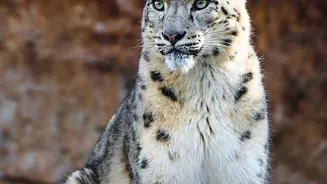
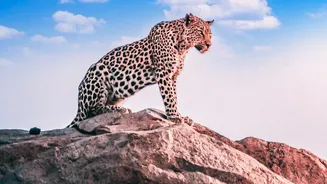
For decades, seeing a snow leopard in the wild was a near-impossible feat reserved for researchers and the most intrepid explorers. Today, thanks to community-led conservation tourism, Ladakh has become one of the best places on Earth to spot this elusive
cat. During the cold winter months, from January to March, snow leopards descend from the high peaks in pursuit of prey like the blue sheep, or 'bharal', making them easier for trained local trackers to find. This has given rise to popular safaris that offer a high chance of a sighting, turning what was once a threat—livestock predation—into a valuable economic asset for local communities through homestays and guide services. This shift has been instrumental in changing attitudes towards conservation, proving the cats are worth more alive than dead.
The Unseen Impact of Our Presence
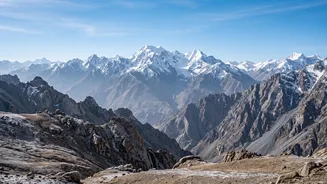
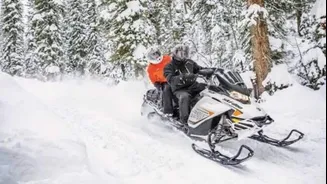
While tourism provides a powerful incentive for conservation, it is a double-edged sword. The very presence of humans can be a significant stressor for these shy animals. Snow leopards are notoriously solitary and sensitive to disturbance. Getting too close, making loud noises, or large groups of people can cause a cat to abandon a hard-earned kill, forcing it to expend precious energy on another hunt. More alarmingly, chronic stress from human encounters can affect their health and reproductive success. There is also the growing problem of habitat fragmentation from new infrastructure and illegal off-roading, which damages the fragile alpine meadows and can disrupt the leopards' vast territories. The pristine cold desert ecosystem of Ladakh is extremely delicate, and irresponsible actions can cause irreversible harm.
The Golden Rules of Respectful Viewing
To ensure your visit is a positive force, adhering to strict ethical guidelines is non-negotiable. The cardinal rule is to maintain a significant distance; expert guides suggest watching from 400 to 500 metres away using spotting scopes and binoculars. Never chase an animal for a better photo. Keep your voice low and avoid sudden movements. Using flash photography is strictly forbidden as it can startle and disorient the animals. Similarly, the use of drones is illegal and highly disruptive. Always stay on designated roads and trails to prevent habitat destruction. Perhaps most importantly, trust your local guides and spotters. Their deep knowledge of the terrain and animal behaviour is your best asset for a successful and harmless sighting. They are the guardians of this ecosystem, and their instructions should be followed without question.
Beyond the Leopard: A Holistic Approach
Responsible tourism in Ladakh isn't just about how you behave during a sighting. It's about your entire footprint. One of the best ways to contribute is by staying in village homestays. This practice, pioneered by organizations like the Snow Leopard Conservancy India Trust, directly supports local families, provides an authentic cultural experience, and reduces the environmental impact associated with large hotels. Be mindful of waste; the high-altitude desert cannot easily break down plastics and other refuse. Carry out everything you carry in. Also, avoid feeding other wildlife, such as the Himalayan marmots often seen along roadsides. This can make them dependent on tourists and disrupt their natural behaviour, with dangerous consequences when the tourist season ends. By embracing the entire ecosystem and the culture within it, you become a partner in conservation.