








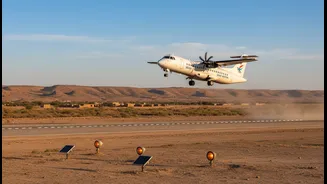


The Ambitious Dream of UDAN
Launched in 2016, the Ude Desh ka Aam Nagrik (UDAN) scheme was a game-changer. The goal was simple yet revolutionary: connect India's unserved and underserved airports to build a national network that made air travel affordable for the masses. The government
offered financial support, called Viability Gap Funding (VGF), to airlines willing to operate on these routes, where passenger numbers were expected to be low initially. In return, fares were capped on a portion of seats to ensure affordability. Over the years, the scheme successfully operationalised hundreds of routes and gave millions of people their first taste of air travel.
Why Routes Are Being Discontinued
Despite its initial successes, the scheme has hit significant turbulence. Recent reports indicate that of the 669 routes made operational since 2017, only 336 are currently active. A primary reason is the unsustainability of many routes once the initial three-year subsidy period ends. Airlines found that passenger demand was often too low to cover operating costs without government support. Several airports, like Bidar and Kalaburagi in Karnataka, lost their connectivity once the subsidies dried up. Other factors include the financial struggles of smaller regional airlines, delays in making small airports fully operational, and a lack of connectivity to major metro hubs like Delhi and Mumbai, which is critical for building a viable network.
The Real-World Impact on Small Towns
For residents of Tier-2 and Tier-3 cities, the discontinuation of a flight is not just an inconvenience; it's a severed lifeline. These air links are crucial for business travel, tourism, access to specialised medical care, and education. When a town loses its only flight, it can slow down economic activity and leave residents feeling disconnected from the rest of the country. The promise of rapid development and integration that came with the airport fades, impacting local industries and the aspirations of its people. For many, the return to long hours on trains or buses is a frustrating step backward.
A Balanced Scorecard: Successes and Setbacks
It’s important to note that UDAN is far from a total failure. The scheme has been successful in creating aviation infrastructure and has provided connectivity to 95 airports, heliports, and water aerodromes, benefiting over 16.6 million passengers since its inception. Airports like Darbhanga and Jharsuguda have seen significant passenger traffic, proving that the model can work when the right conditions are met. The problem lies in the one-size-fits-all approach. The assumption that every route would become self-sufficient in three years has proven overly optimistic. The challenges highlight the economic complexities of regional aviation, where low demand, high operating costs, and infrastructure gaps are persistent hurdles.
The Path Forward: A Revamped 'Viksit UDAN'
The government has acknowledged these challenges and recently launched a modified scheme, dubbed 'Viksit UDAN'. This new phase comes with a significantly larger budget of nearly ₹29,000 crore over ten years. Key changes include extending the subsidy period for airlines from three to five years, providing more financial support, and a greater focus on developing airport infrastructure to ensure they are ready for operations. The aim is to strengthen last-mile connectivity and learn from the shortcomings of the initial phases. The government also plans to develop 100 new aerodromes and 200 modern helipads to bolster the network.