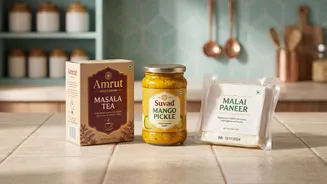








1. Examine the Print and Packaging Integrity
Your first line of defence is a close visual inspection. Scammers often use chemicals to erase original dates and then reprint new ones using basic inkjet printers. Look closely at the area where the manufacturing date, batch number, and expiry date are printed.
Red flags include smudging, scratching, or uneven ink that looks different from the rest of the package's printing. Also, check the packaging itself for signs of tampering. Look for broken seals, unusual glue marks, punctures, or tears. If a plastic wrap around a lid seems stretched or a safety button on a jar lid is popped up, it’s best to avoid it. A package that appears dirty, damaged, or compromised in any way should be left on the shelf.
2. Watch Out for Misleading Stickers
A common tactic used to hide an old expiry date is to simply place a new sticker over it. Whenever you see a sticker with date information, be extra cautious. Try to peer under the edges to see if there is another date printed underneath. Sometimes, the original date might be partially visible around the sticker's perimeter. Question why a sticker was used in the first place when most manufacturers print this information directly onto the package. According to FSSAI (Food Safety and Standards Authority of India) regulations, date marking is a mandatory part of the label. If a sticker with a new date looks out of place or covers the original print, it’s safer to assume it has been tampered with and choose another pack where the details are clearly printed.
3. Check for Mismatched Information
A food label is a collection of details that should look consistent. Beyond just the expiry date, look at the entire label, including the brand name, ingredient list, nutritional information, and FSSAI license number. If one part of the label—like the date section—suddenly uses a different font, ink shade, or print quality, it's a significant warning sign. The batch number, manufacturing date, and expiry date are typically printed in the same style and at the same time. If the expiry date seems noticeably newer or is not aligned properly with the batch number, it suggests it may have been added later. Comparing a suspicious packet with another one of the same product can often make these inconsistencies easier to spot.
4. Verify the FSSAI License Number
Every legitimate packaged food product sold in India must have a 14-digit FSSAI license number printed on its label. This number confirms that the manufacturer or seller is registered and adheres to food safety standards. While counterfeiters may fake this number, its absence is a major red flag. You can even verify the license number on the FSSAI's official website to confirm the legitimacy of the manufacturer. Taking a moment to find and check this number provides an extra layer of assurance that the product is from a reputable source that is accountable for its quality and safety, making date tampering less likely.
5. Trust Your Senses Above All Else
Even if an expiry date looks perfectly fine, it is not an absolute guarantee of safety. Your own senses are the ultimate tool. Before using any product, inspect it closely. Do not use foods that are discolored, have visible mold, or an unusual texture. When you open the container, be alert for any off-odors or if the container spurts liquid or foam. For example, pure milk should not separate or smell sour, and bread, even if it looks fine on one slice, should be discarded if there is mold anywhere on the loaf as spores can spread invisibly. An expiry date indicates quality and safety under ideal storage, but a product can still spoil before that date if handled or stored improperly. If it looks wrong or smells wrong, don't risk it.