



More Than Just a Launch
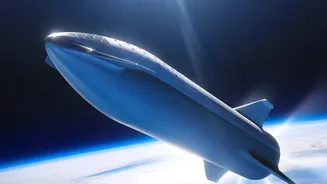
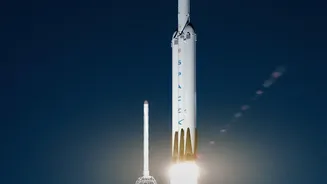
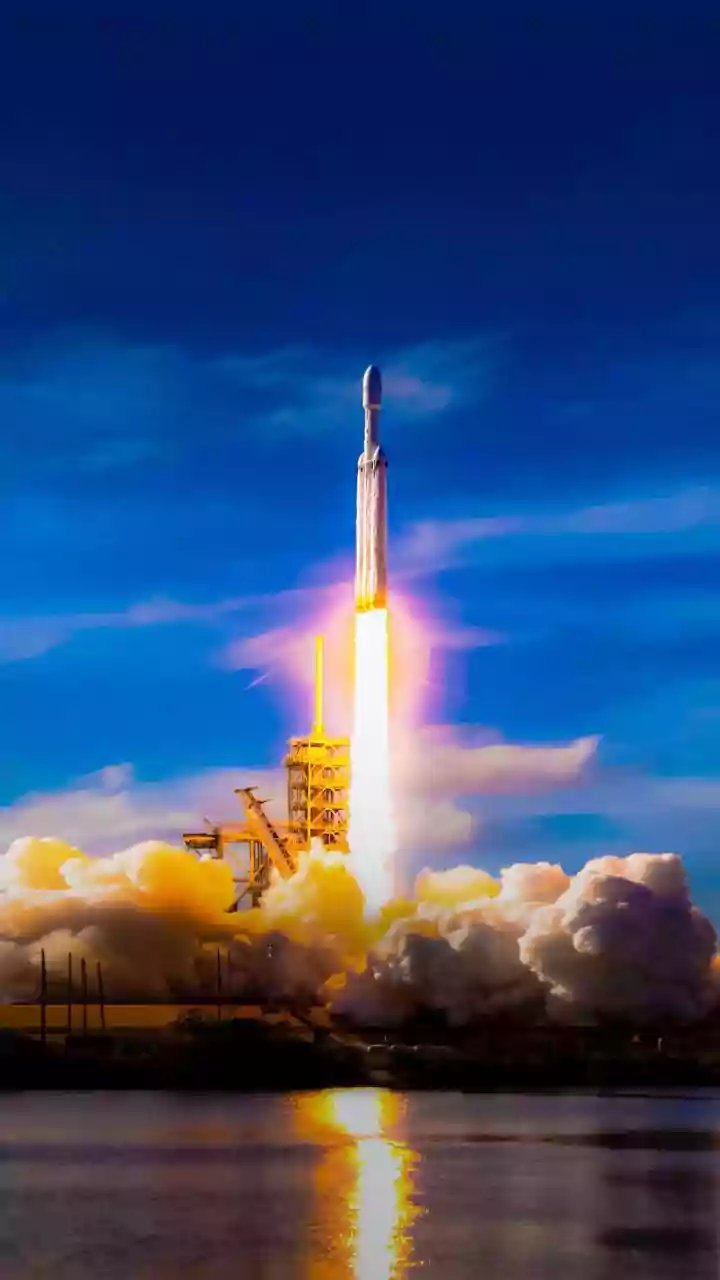
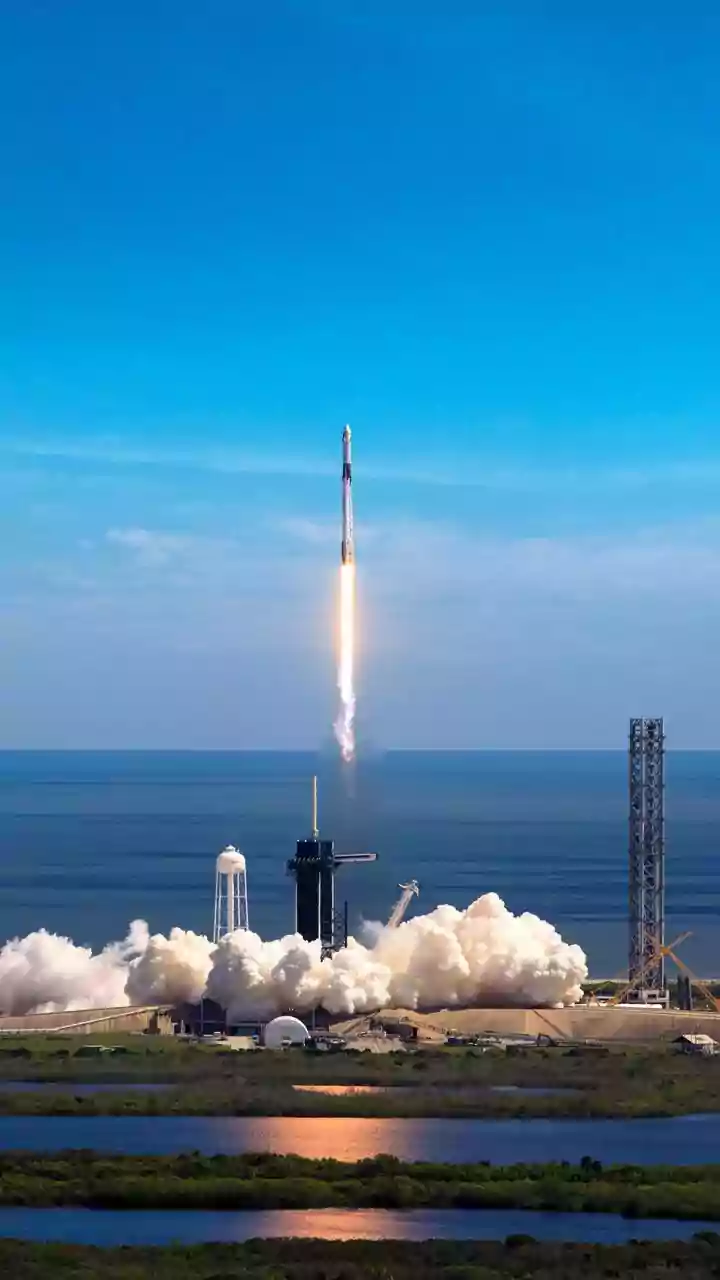
While the spectacle of Starship, the most powerful rocket ever built, climbing to orbit is always breathtaking, the real drama of Flight 15 unfolds minutes after liftoff and again nearly a day later. The mission’s primary goal is to test the core tenet
of SpaceX’s entire Mars colonization strategy: full and rapid reusability. This flight was the first to attempt a 'double catch,' aiming to recover both the Super Heavy booster and the Starship upper stage. While the booster recovery was aborted, the successful catch of the Starship spacecraft after 22 hours in orbit marked a monumental achievement in spaceflight history. This is where the launch tower transforms from a static structure into a key player in an audacious robotic ballet.
Meet 'Mechazilla'
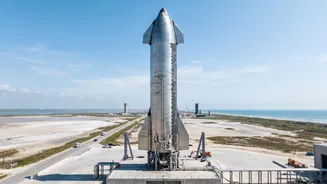
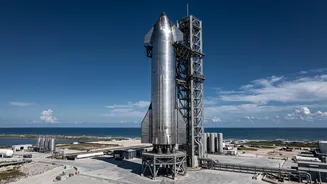
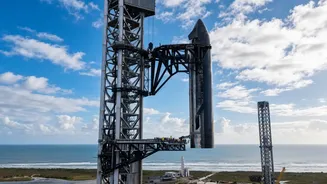
The key to this ambition is the colossal launch and catch tower, unofficially nicknamed 'Mechazilla'. Standing far taller than the rocket it services, the tower is equipped with two massive, pincer-like steel arms often called 'chopsticks'. Their function is twofold. First, they are used to stack the Starship spacecraft atop the Super Heavy booster before launch. Their second, more radical purpose is to catch both stages as they return from the sky. This eliminates the need for the rockets to have their own heavy landing legs, freeing up mass that can be used for payload and fuel. The Flight 15 mission saw these arms successfully catch the Ship 42 upper stage for the first time ever, a maneuver previously only accomplished with boosters on earlier flights.
A High-Stakes Ballet
The recovery sequence is a maneuver of incredible complexity and risk. After propelling the Starship spacecraft on its way, the Super Heavy booster performs a series of engine burns to flip around and fly back to the launch site. It then executes a final 'hover slam' landing burn, slowing itself to a near-hover beside the tower, where the chopsticks must close at the perfect moment to grab it by reinforced points near its top. The Starship's return is even more harrowing, involving a fiery reentry through the atmosphere at orbital speeds before it performs its own powered descent to be caught. On Flight 15, the Super Heavy booster's guidance system detected an anomaly and automatically aborted its own catch attempt, diverting to a safe splashdown in the Gulf of Mexico. However, the Starship spacecraft flawlessly executed its return, marking what one SpaceX commentator called 'the holy grail of spaceflight'.
The Road to Mars Runs Through Texas
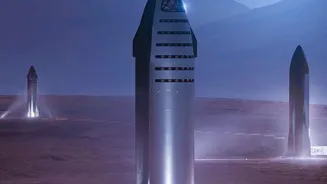
Catching rockets with a tower might seem overly complex, but it is the cornerstone of SpaceX founder Elon Musk's vision for making humanity a multi-planetary species. To build a self-sustaining city on Mars, thousands of Starship flights will be needed to ferry supplies and people. The only way to make that economically feasible is with a launch system that operates more like an airline than a traditional rocket program. Full reusability means a single Starship could be caught, refueled, and launched again in a matter of hours, not weeks or months. Each successful catch, like that of Ship 42, is a crucial step in proving that this revolutionary model can work. The successful orbital flight also allowed for the deployment of 26 next-generation Starlink satellites, demonstrating Starship’s dual purpose as a commercial workhorse.