



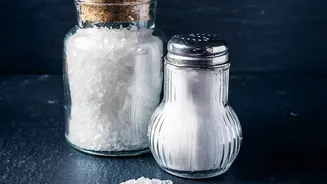
The Proposal: A 'Dietary Vaccine' for India
In early 2026, a consensus statement from leading Indian medical experts, including those from AIIMS and backed by organizations like The George Institute for Global Health, recommended a nationwide public health strategy to replace regular table salt
with potassium-enriched low-sodium salt substitutes (LSSS). This recommendation stems from an alarming public health crisis: Indians consume, on average, 8 to 11 grams of salt daily, which is nearly double the World Health Organization's recommended limit of 5 grams. This excess sodium intake is a primary driver of hypertension, or high blood pressure, which affects a significant portion of the population and leads to a high number of deaths from cardiovascular disease and stroke each year. Experts have dubbed the switch a 'dietary vaccine' because it can provide widespread protection without requiring major changes to diet or taste.
Table Salt: The Basics of Sodium Chloride
The salt we use every day, known chemically as sodium chloride, is essential for bodily functions in small amounts. However, its overuse is a major health concern. When you consume excess sodium, your body retains more water to balance it out. This increases the volume of blood in your bloodstream, which in turn raises blood pressure. Over time, this constant pressure can lead to stiffened arteries, an overworked heart, and an increased risk of heart attack, stroke, and kidney disease. In India, a unique challenge is that an estimated 80% of sodium intake comes from salt added during home cooking, rather than from processed foods, making household dietary choices a critical area for intervention.
Low-Sodium Salt: A Blend with Potassium Chloride
Low-sodium salt substitutes are not salt-free. Instead, they are blends that replace a portion of the sodium chloride with another mineral, most commonly potassium chloride. A typical formulation contains about 70-75% sodium chloride and 25-30% potassium chloride. This simple change achieves two health goals at once: it reduces the intake of harmful sodium and increases the intake of beneficial potassium. Potassium is a crucial mineral that most Indians do not get enough of. It helps counteract the effects of sodium, relaxes blood vessel walls, and helps lower blood pressure. Studies have shown that using these substitutes can significantly reduce blood pressure, leading to a lower risk of stroke and death from cardiovascular events.
Is It a Perfect Solution? Understanding the Risks
While low-sodium, potassium-enriched salt is a promising public health tool, it's not suitable for everyone. The key consideration is the added potassium. For most people, this is beneficial. However, for individuals with conditions that impair potassium excretion, such as chronic kidney disease, a sudden increase in potassium can be dangerous. People with certain heart conditions, advanced liver disease, or those taking specific medications (like certain blood pressure drugs) should also be cautious. The metallic or slightly bitter aftertaste of potassium chloride is another minor drawback for some, though many find the taste indistinguishable from regular salt, especially in cooked dishes. The consensus among experts is that the population-level benefits far outweigh the risks, which can be managed with proper medical guidance and clear labelling.
Beyond the Shaker: Other Ways to Reduce Sodium
Switching your salt is one effective strategy, but it can be combined with other simple habits to manage sodium intake. Since much of the salt in the Indian diet comes from home cooking and condiments, small adjustments can make a big difference. Try flavouring foods with herbs, spices, lemon juice, ginger, and other aromatics instead of reaching for more salt. Be mindful of 'hidden' sodium in processed foods, pickles, papads, and sauces. Reading labels has become easier as FSSAI has moved to mandate clearer nutritional information on packaged foods. Tasting your food before adding salt at the table is another simple but effective habit. Over time, your taste buds will adjust, and you will start to appreciate the natural flavours of food more.