






A Troubling Silence
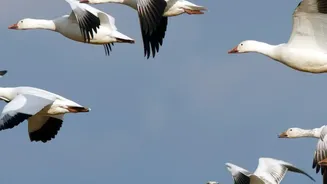
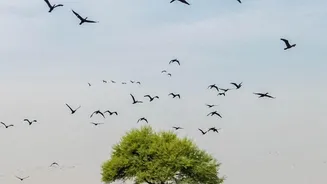
Recent findings have painted a grim picture for the world's migratory birds, and the situation in India reflects this global trend. A comprehensive 2026 study revealed that over half of the world's migratory bird species are in decline. For India, which
sits at the heart of the crucial Central Asian Flyway (CAF), the stakes are particularly high. The State of India's Birds 2023 report highlighted that long-distance migrants, especially those journeying from the Arctic, are declining more rapidly than resident species. Shorebirds that breed in the Arctic, for example, have seen their populations fall by nearly 80%, signalling a major ecological imbalance. This isn't just about losing a few species; it's about the potential collapse of a vibrant, interconnected natural system.
The Perilous Journey Home
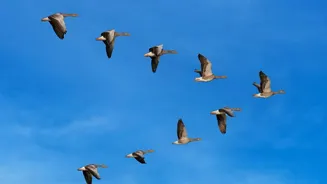
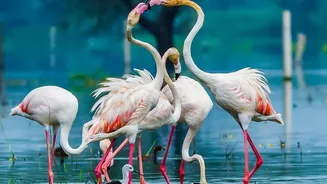
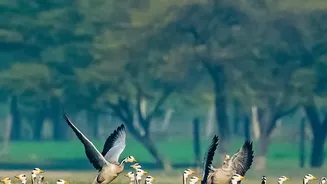
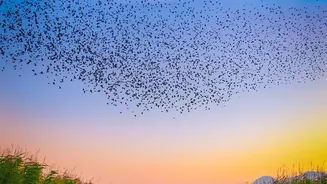
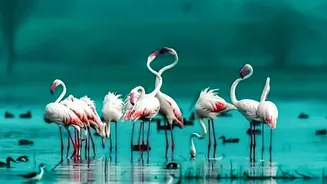
A bird's migration is one of nature’s most incredible feats, a long and hazardous journey between breeding and wintering grounds. The Central Asian Flyway is a superhighway in the sky used by over 600 species, stretching from Siberia to the warm wetlands of South Asia. India provides critical stopover sites for more than 90% of the bird species using this route. These birds aren't just passing through; they depend on a chain of intact ecosystems—wetlands, grasslands, mudflats, and coastal mangroves—to rest and refuel. However, this vital network of habitats is being broken. Each degraded wetland or polluted lake is a link removed from that chain, making an already arduous journey even more perilous.
Paving Over Paradise
The primary driver of this decline is the relentless loss and degradation of habitat. Across India, wetlands are shrinking at an alarming rate, falling victim to the pressures of urbanisation, agricultural expansion, and pollution. In cities like Bengaluru and Chennai, lakes that once hosted flocks of visitors are now choked with sewage and industrial waste. The Pallikaranai marsh in Chennai and the wetlands around Delhi have been heavily encroached upon by construction, leaving birds with fewer and poorer quality options. Beyond cities, the conversion of coastal wetlands into salt pans or shrimp farms, excessive use of pesticides, and overfishing deplete the food sources—like invertebrates and aquatic vegetation—that these birds rely on to survive the winter.
India’s Critical Crossroads
From the famed Keoladeo National Park in Rajasthan to Chilika Lake in Odisha, India’s wetlands are internationally recognised for their importance to migratory birds. However, even these protected areas are not immune. Keoladeo faces challenges from water scarcity and invasive species, while other vital sites like the Najafgarh and Basai wetlands near Delhi are threatened by pollution and are yet to be formally protected under conservation rules. The decline is tangible. The 2026 Asian Waterbird Census noted a significant drop in bird counts along Delhi's Yamuna river stretch, from 2,123 birds in 2025 to just 1,564 a year later. Species like the Black-headed Gull and Great Cormorant were recorded in lower numbers, a direct reflection of a degraded habitat unable to support them.
More Than Just Birds
The loss of migratory birds is not just a tragedy for conservationists; it has real-world consequences for ecosystems and people. These birds are vital for controlling insect populations, pollinating plants, and dispersing seeds. They are also sensitive bio-indicators, meaning their health and numbers reflect the overall health of our environment. When they disappear, it’s a warning that the wetlands and water systems we also depend on are in trouble. A decline in fish-eating birds, for example, can signal a collapse in fish stocks due to overfishing or pollution. Their vanishing act sends a clear message: the natural balance is being dangerously disrupted.