

The Famous Iron-Clad Health Claim
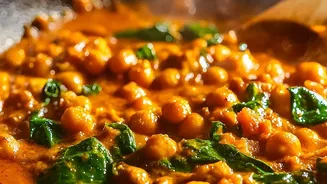
Let's start with the biggest talking point: that cooking in cast iron can boost your iron intake. This is true. Research shows that cast iron pans can leach small amounts of dietary iron into your food, especially when cooking acidic dishes like tomato
sauce for longer periods. For some people, such as those with iron deficiencies, this can be a helpful, passive way to supplement their intake. However, the amount of iron transferred is variable, and it's a type called non-heme iron, which the body absorbs less efficiently than the heme iron from meat. So, while it’s a nice bonus, it's not a reliable substitute for an iron-rich diet and shouldn't be the sole reason you buy one.
The 'Natural' Non-Stick Surface
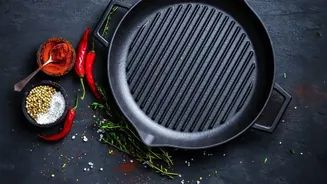
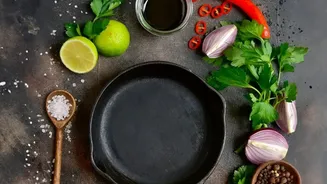
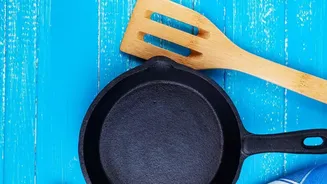
Another major draw is the promise of a non-toxic, naturally non-stick surface. Unlike chemically coated pans which can release fumes at high heat, cast iron is just iron. Its non-stick quality comes from 'seasoning' — a layer of polymerised oil baked onto the pan's surface. A well-seasoned pan can be wonderfully slick, but it doesn't start that way and it requires maintenance. You build the seasoning over time with use and care. This process is the key to its performance, and it's a commitment that sets it apart from the instant non-stick convenience of a brand-new Teflon pan.
The Real Hero: Unmatched Heat Performance
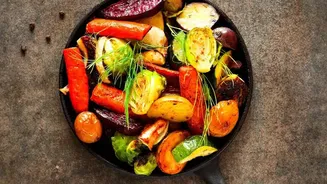
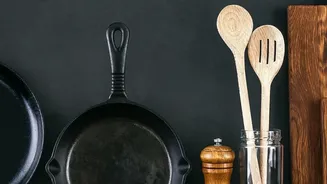
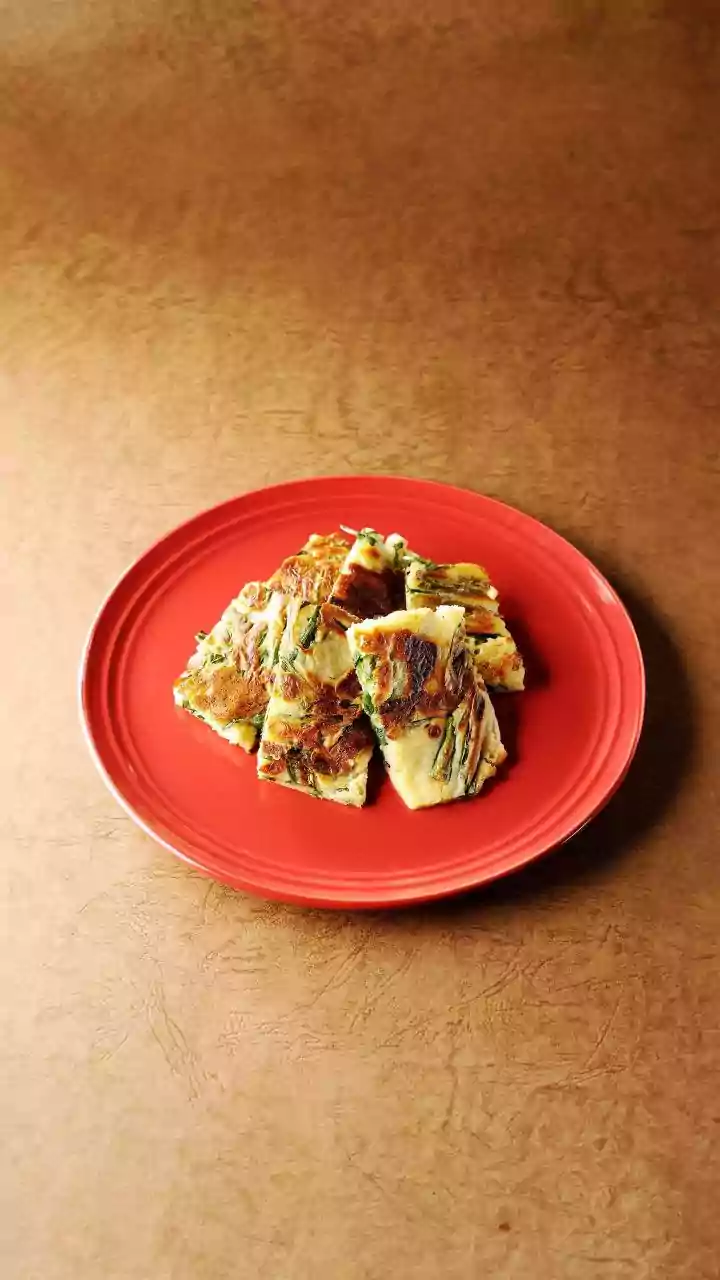
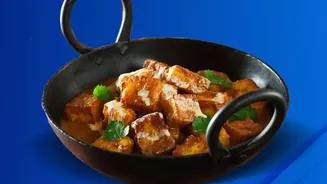
The most compelling reason to own cast iron has little to do with health and everything to do with how it cooks. Its secret is superior heat retention. Cast iron is dense and takes a while to heat up, but once it's hot, it stays hot. This provides incredibly even and steady heat, which is perfect for getting a deep, restaurant-quality sear on everything from paneer tikka to steaks. It’s also ideal for frying, creating a golden, crispy crust on foods. That consistent heat makes it a versatile tool, performing equally well on the stovetop, in the oven for baking cornbread, or even over a campfire.
The Commitment: Weight and Upkeep
Now for the practical downsides that often get lost in the hype. First, cast iron is heavy. A standard skillet can be cumbersome to lift, wash, and store, which can be a genuine issue for some. Second is the maintenance. To protect the seasoning and prevent rust, you need a specific cleaning routine. This typically means avoiding long soaks and the dishwasher, drying the pan thoroughly immediately after washing, and often wiping it with a thin layer of oil before storing. While many users find this ritual simple, it’s a significant departure from the scrub-and-go ease of stainless steel.
A Pan for Life, Not Just a Trend
Perhaps the most practical benefit of cast iron is its incredible durability. With proper care, a cast iron pan can last for generations, often being passed down as a family heirloom. This makes it an economical and sustainable choice compared to coated non-stick pans that inevitably get scratched and need replacing every few years. It's a piece of cookware that actually improves with age as the seasoning becomes more robust. This longevity is a powerful argument, framing it as a long-term investment in your kitchen rather than a disposable item.