








From Fairytale Villain to Economic Asset
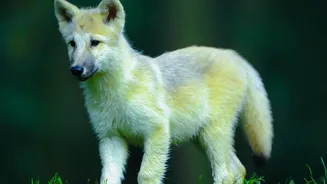
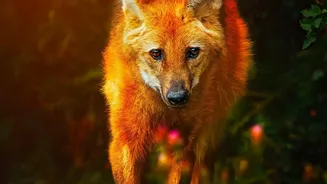
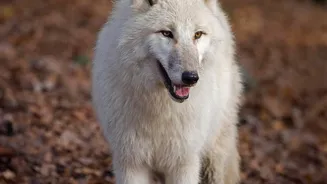
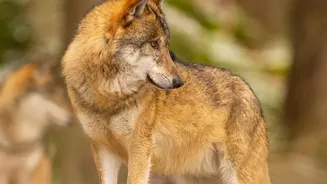
For centuries, the wolf was the villain of European folklore and a direct threat to farming livelihoods. Hunted relentlessly, its populations were decimated, confined to only the most remote corners of the continent. Today, that story is being rewritten.
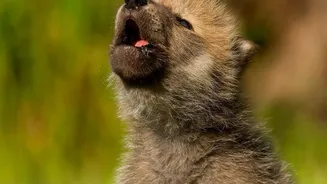
Thanks to legal protections and changing attitudes, wolf populations have been steadily recovering, with estimates now placing their numbers at over 20,000 across Europe. While their return still creates challenges, particularly for livestock farmers, a fascinating new chapter is unfolding. In regions struggling with rural depopulation and economic decline, the wolf is becoming a powerful and unlikely tourist attraction, transforming its ecological value into tangible economic worth.
The Rise of the Wolf Watcher
A new type of tourism is taking root in the wilder parts of countries like Italy, Spain, and Romania. Adventure travelers and wildlife enthusiasts are now booking specialized tours not for ancient ruins or sunny beaches, but for the chance to experience a landscape where large predators roam free. These are not zoo encounters. Expert guides lead small groups on tracking expeditions, teaching them to identify footprints, listen for howls at dusk, and understand the complex ecology that wolves support. Sightings are rare and never guaranteed, but for many, the possibility is the main draw—knowing that something truly wild is just beyond view. This demand has created a niche but growing market for local guides, many of whom are expert naturalists with deep knowledge of the area.
A Lifeline for Lodges and Local Shops
This wave of 'wolf tourism' provides a crucial economic boost to remote communities. In areas like Italy's Abruzzo National Park or Spain's Cantabrian Mountains, the influx of visitors supports a network of small businesses. Family-run guesthouses and rural hotels that might otherwise struggle outside of peak seasons are finding new life catering to wolf watchers, who often travel in the off-season. Local restaurants showcase regional cuisine to visitors, and shops sell local crafts and produce, ensuring that tourist revenue circulates within the community. In some cases, a significant portion of the revenue from these ecotourism ventures is funneled directly back into conservation efforts and initiatives aimed at mitigating human-wolf conflict, creating a sustainable cycle of coexistence.
Beyond Tourism: A Healthier Ecosystem
The economic benefits are not limited to tourism alone. As apex predators, wolves play a critical role as 'ecosystem engineers'. By preying on wild herbivores like deer and boar, they help control populations, which can lead to healthier forests and reduced agricultural damage. Some studies even suggest an indirect economic benefit by reducing wildlife-vehicle collisions. By keeping herbivore populations on the move, wolves can prevent overgrazing in certain areas, which allows for greater biodiversity to flourish. This healthier ecosystem is more resilient and can support a wider range of activities, from sustainable forestry to other forms of nature-based recreation. While the costs associated with livestock protection are real and require management, the positive economic impacts of a restored ecosystem are a significant, if sometimes overlooked, part of the equation.