





An Unconventional Recipe
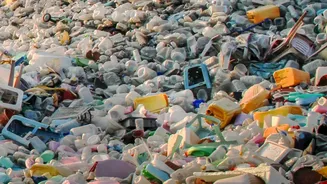
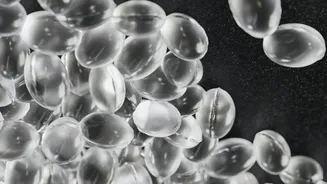
The recipe for a new cookie prototype, dubbed µBite (pronounced "micro-bite"), doesn't start in a kitchen, but with two of our most persistent waste problems. Researchers at Southern Illinois University Carbondale have developed a process that uses PET
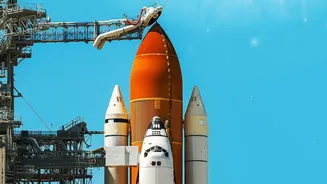
plastic, the kind found in single-use water bottles, and agricultural biomass like leftover corn stalks. This innovative approach grew out of work associated with NASA's Deep Space Food Challenge, which seeks novel ways to feed astronauts on long-duration missions, such as a multi-year trip to Mars. The goal is to create a closed-loop system where waste generated on a mission can be upcycled into vital nutrients, reducing the need for massive payloads of pre-packaged food.
From Plastic to Palatable
The process isn't as simple as just grinding up a bottle. The transformation from trash to treat is a sophisticated, multi-step process. First, the plastic and plant waste are broken down using a method called oxidative hydrothermal dissolution. This involves using high heat, pressure, water, and oxygen to deconstruct the tough materials into much smaller, water-soluble carbon molecules that microbes can access. It’s a crucial step that unlocks the carbon locked away in the waste. This resulting molecular soup becomes the feedstock for the next, even more remarkable stage. The key here is that the final food doesn't contain plastic; rather, it's built from the basic carbon elements that the plastic was made from.
Programming Yeast for the Job
This is where microbiology takes center stage. The researchers use genetically engineered yeasts as tiny, programmable factories. Different strains of yeast are programmed to do different jobs. They are fed the carbon-rich liquid derived from the waste, and they metabolize it to create entirely new, edible compounds. For instance, one strain of common baker's yeast is engineered to produce proteins and fats. Another is programmed to produce vanillin, the molecule responsible for the distinct flavor and aroma of vanilla. A third strain can even produce beta-carotene, the pigment found in carrots that our bodies convert into Vitamin A, adding a nutritional boost to the final product.
How Does It Look and Taste?
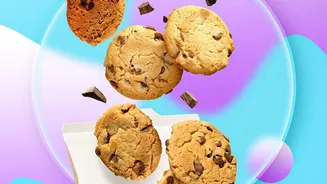
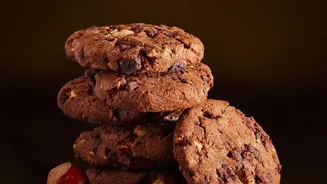
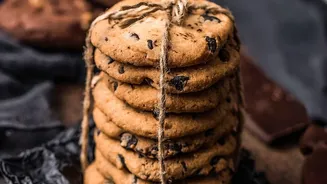
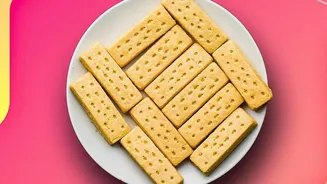
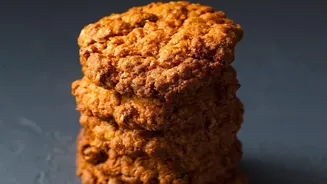
Once the yeasts have done their work, the resulting nutrient-rich biomass is harvested. To create the final cookie, this is mixed with more conventional ingredients like starch and fiber to achieve the right texture. The dough-like substance is then extruded through a 3D printer, which shapes it into the small, disc-shaped µBites. This raises the most obvious question: would you eat it? For now, no one has. While researchers state their data indicates the cookies are safe for consumption, they are still awaiting institutional approval to conduct formal human taste tests. However, initial aroma tests have been promising, with most participants indicating they would be willing to eat the cookies in a resource-limited scenario, such as space travel or a disaster situation.
A Snack for Mars or Earth?
The primary application for µBites is in extreme, isolated environments where resupply is difficult or impossible. Think long-haul space missions, remote scientific outposts, or even naval submarines. In these contexts, the ability to turn inedible waste into safe, nutritious, and even palatable food is a game-changer. However, the team hopes the technology could one day have terrestrial applications, helping to address global food demand and reduce our reliance on traditional agriculture. Of course, significant hurdles remain, including scaling the technology, making it cost-effective, and navigating the enormous challenge of consumer acceptance. Don’t expect to find these on your local supermarket shelf anytime soon.