





A Nation Under Water
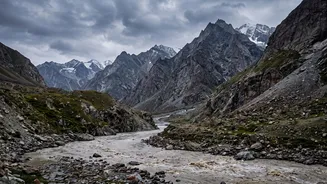
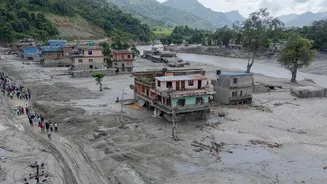
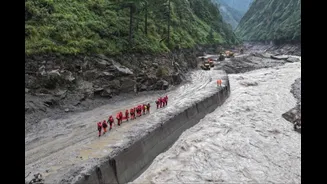
In late August 2026, a massive flash flood, triggered by a glacial collapse in the Himalayas, sent a torrent of water, ice, and debris surging down the Bhote Koshi and Trishuli river systems. The disaster has left a devastating trail, with the death toll
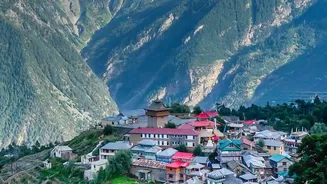
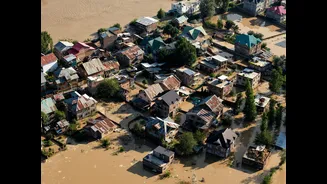
in Nepal climbing past 900 and thousands still missing, including many foreign tourists. The floods swept through entire settlements in districts like Rasuwa, Nuwakot, and Dhading, washing away homes, bridges, and critical infrastructure, including hydropower plants. Rescue teams are facing immense challenges, with many affected areas rendered inaccessible by damaged roads and the sheer scale of the devastation. Survivors describe near-constant alarms and frantic escapes to higher ground as river levels continue to fluctuate, adding a layer of psychological trauma to the physical loss.
The Looming Threat from Above
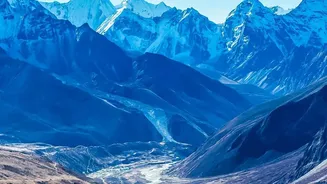
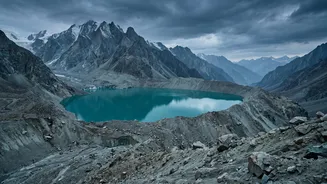
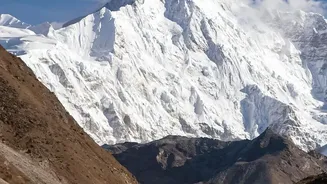
Compounding the immediate crisis is the emergence of new dangers high in the mountains. Following the initial ice-rock avalanche, authorities have identified at least two new glacial lakes. One of these lakes, spanning approximately 20 hectares, has formed near the source of the disaster. These are not ordinary lakes; they are what experts call Glacial Lake Outburst Flood (GLOF) risks. Formed by melting glaciers, they are often held in place by unstable natural dams of rock and debris known as moraines. If the moraine wall breaches—due to pressure from the water, another landslide, or an earthquake—it can release a massive volume of water with terrifying speed and force, triggering a secondary, and potentially more destructive, flood wave. Chinese authorities had earlier warned of a separate barrier lake that formed with a high possibility of breach, forcing a temporary pause in rescue efforts.
A Climate Change Catastrophe
While it is complex to link any single event directly to climate change, scientists agree that a warming planet dramatically increases the risk of such disasters. The Hindu Kush Himalaya region is warming at a rate significantly faster than the global average. This accelerated warming is causing rapid glacial melt, which has two dangerous consequences. First, it leads to the formation and expansion of unstable glacial lakes, with at least 21 identified as potentially dangerous in Nepal alone even before this event. Second, as glaciers retreat, they expose unstable mountain rock that was once supported by ice, making rock and ice avalanches more likely. Permafrost, the frozen ground that acts like glue holding mountainsides together, is also thawing, further weakening the terrain. This disaster appears to be a cascade of these very hazards: a glacial collapse leading to a flash flood, which in turn has created new GLOF risks.
The Human Cost and a Desperate Response
The scale of human suffering is immense. According to the United Nations, an estimated 10,000 households are in immediate need of relief, with many survivors having lost everything. The disaster disproportionately affects women and girls, who face heightened risks during displacement and may struggle to access aid. National and international aid efforts are in full swing. Nepal's security and disaster management agencies are mobilized for search, rescue, and relief operations. The UN has released emergency funds, and countries like the United States have pledged millions in humanitarian assistance. However, the challenges are monumental. Damaged infrastructure has isolated entire communities, with some villages now reachable only by air. For the people on the ground, the struggle is minute by minute—salvaging what little they can from the mud and rubble, and living with the fear of what the rivers, and the new lakes above, might do next.